In order to strengthen control over the circulation of firearms and improve the functioning of the system in Uzbekistan, a number of practical measures are being carried out by the Agency for Narcotic and Firearm Control under the Presidential Administration.
An interdepartmental working group established under the leadership of the Agency has carried out activities aimed at studying the circulation of weapons, their accounting, and control systems. During the process, it is planned to analyze the activities of a number of ministries and departments as well as relevant facilities.
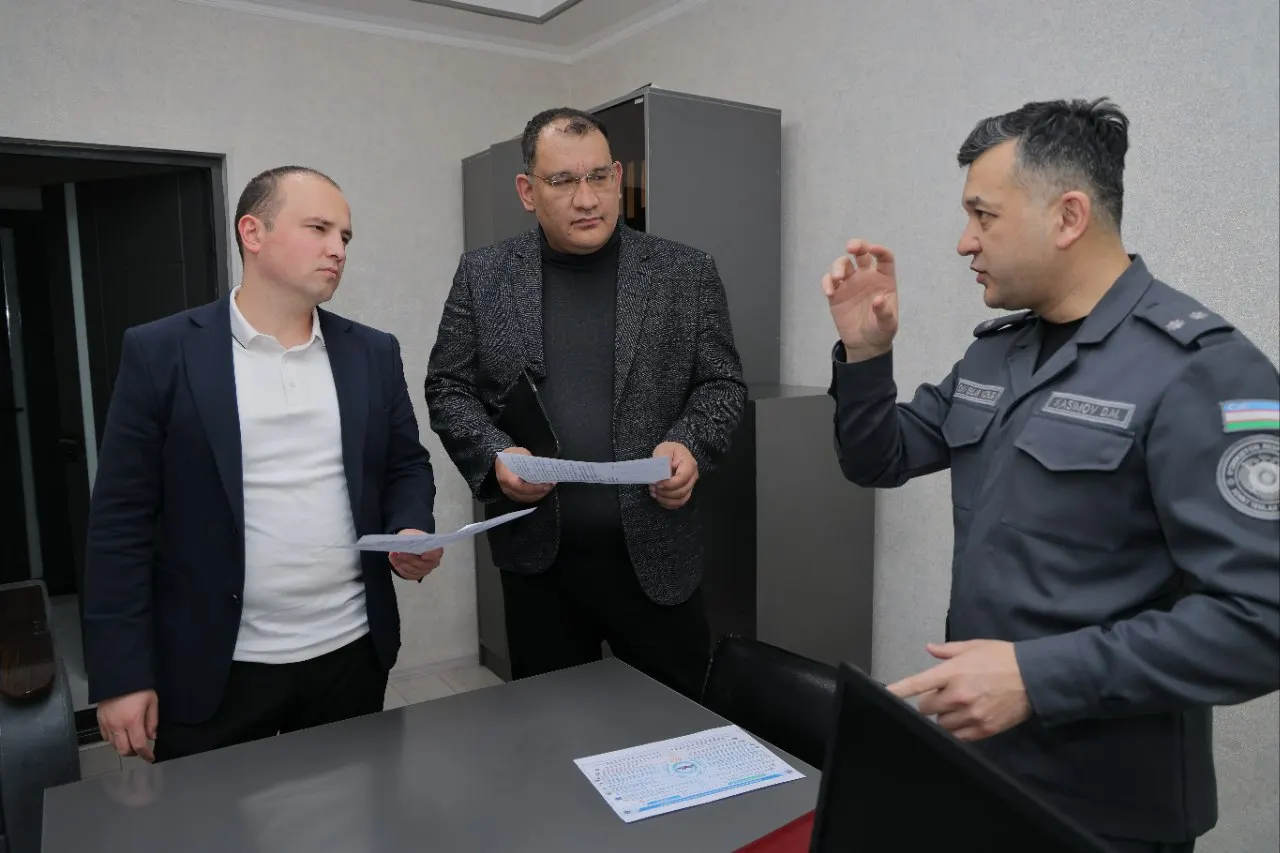
In the initial phase, the activities of certain areas within the system of the Ministry of Internal Affairs were examined. As a result of operational and preventive measures, 487 cases have been identified since the beginning of the current year. Of these, 227 cases were uncovered by law enforcement agencies, and 260 cases were voluntarily surrendered by citizens.
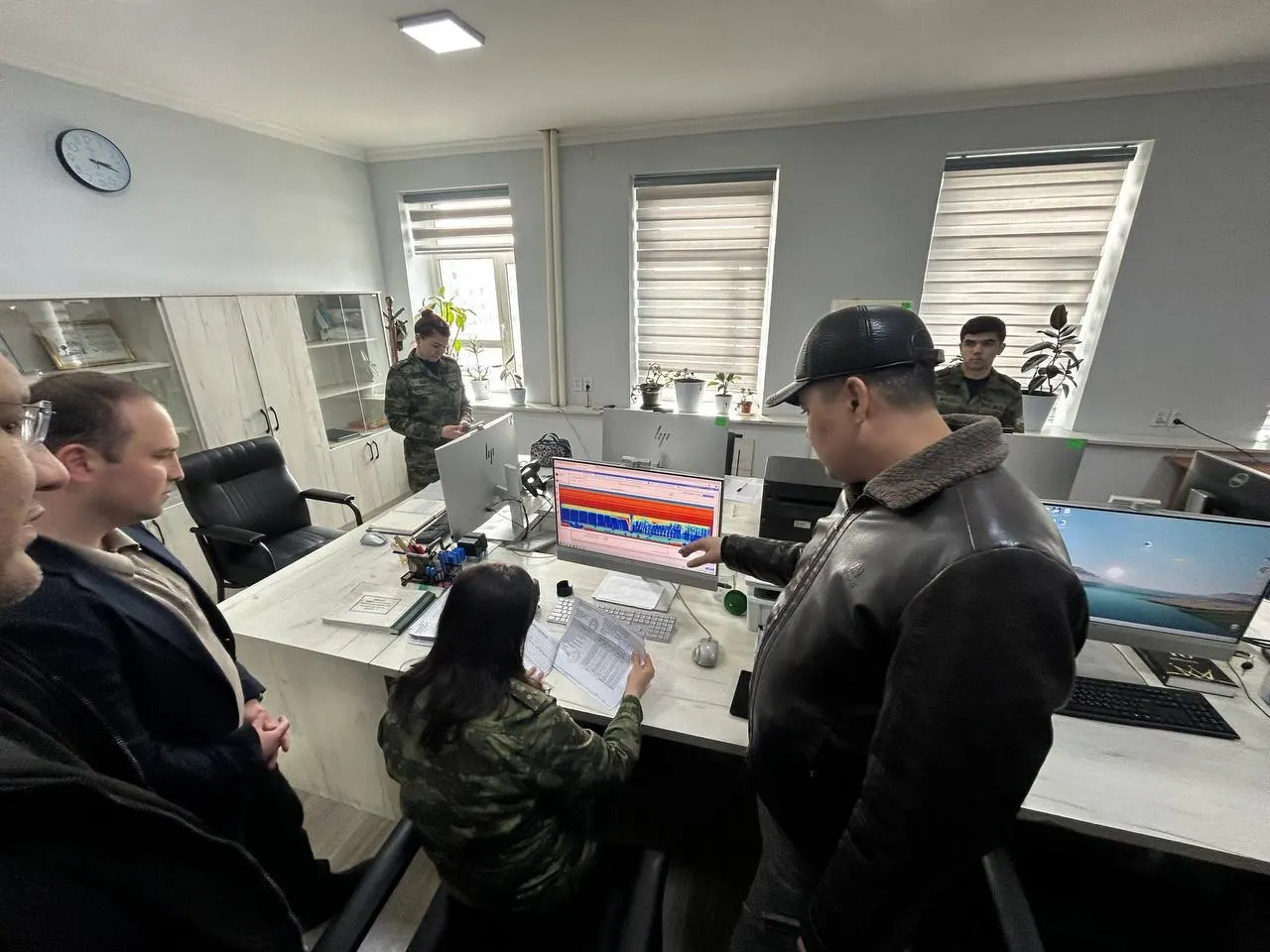
During the conducted activities, the following items were identified and processed in the established manner:
255 units of various firearms,
2841 cartridges,
57 main parts of weapons,
485.7 grams of explosive substances.
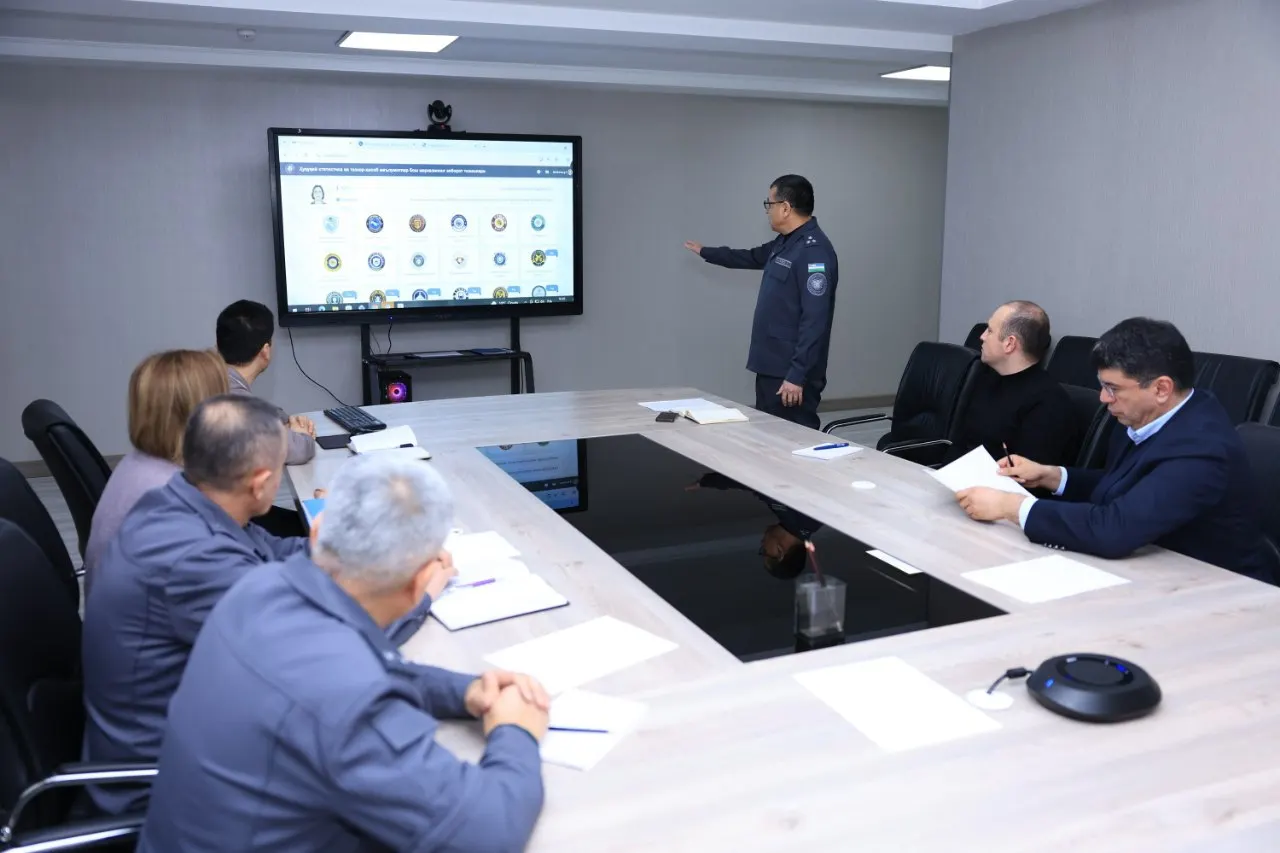
Also, within the framework of the activities of the Main Center of Legal Statistics, the procedure for generating and maintaining reports on firearms and the capabilities of existing information databases were analyzed. According to the analyses, maintaining data on the circulation of weapons through a single digital system and mutually integrating the information databases of various departments can increase control efficiency.
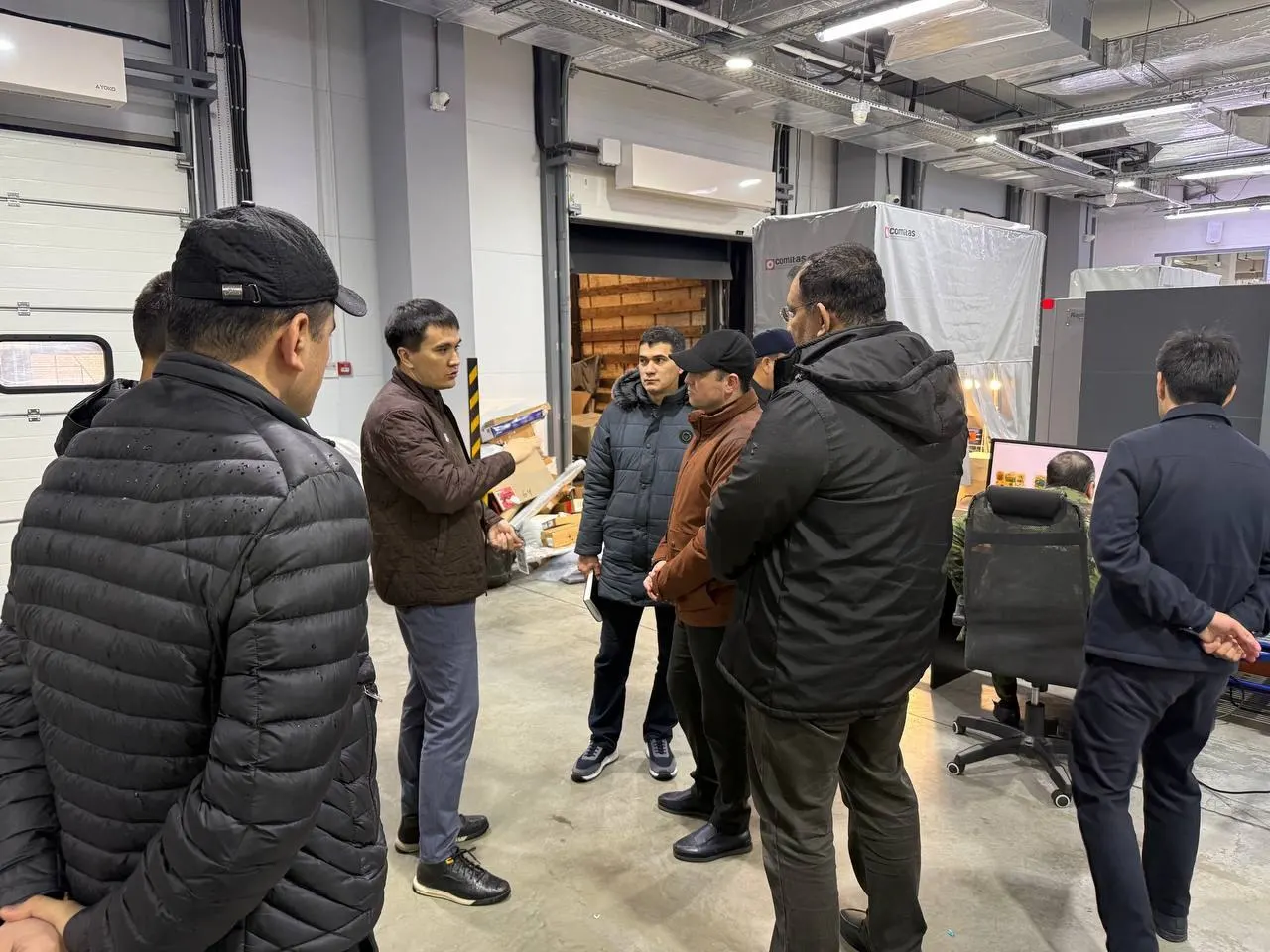
Furthermore, at the Main Expert-Criminalistics Center, the procedure for conducting ballistic examinations of firearms, the state bullet-cartridge library, and the capabilities of the automated ballistic identification system were also studied. Specialists noted that regularly enriching the ballistic database is of significant importance in the prompt disclosure of crimes.
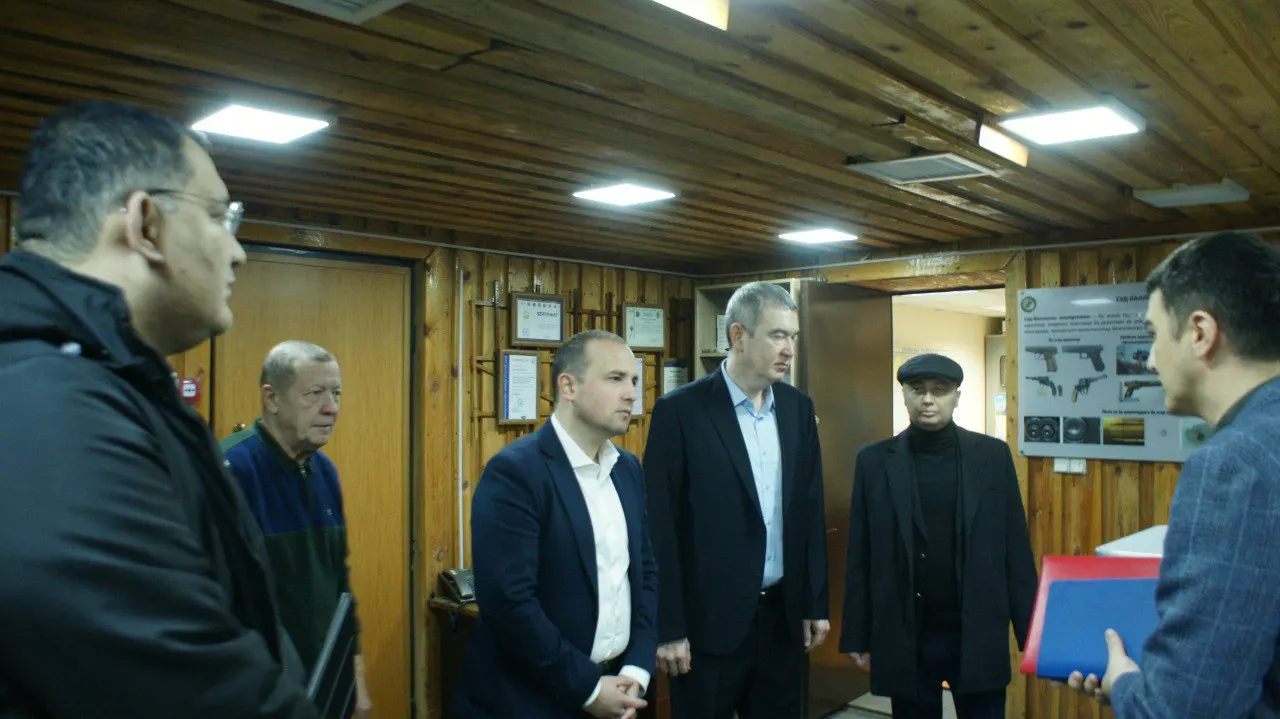
At the Department of Public Security, the practice of licensing and issuing permits for the circulation of weapons, as well as the control system over civilian and service weapons, was analyzed. According to experts, the phased digitalization of these processes and the expansion of electronic services will serve to increase the transparency of the system.
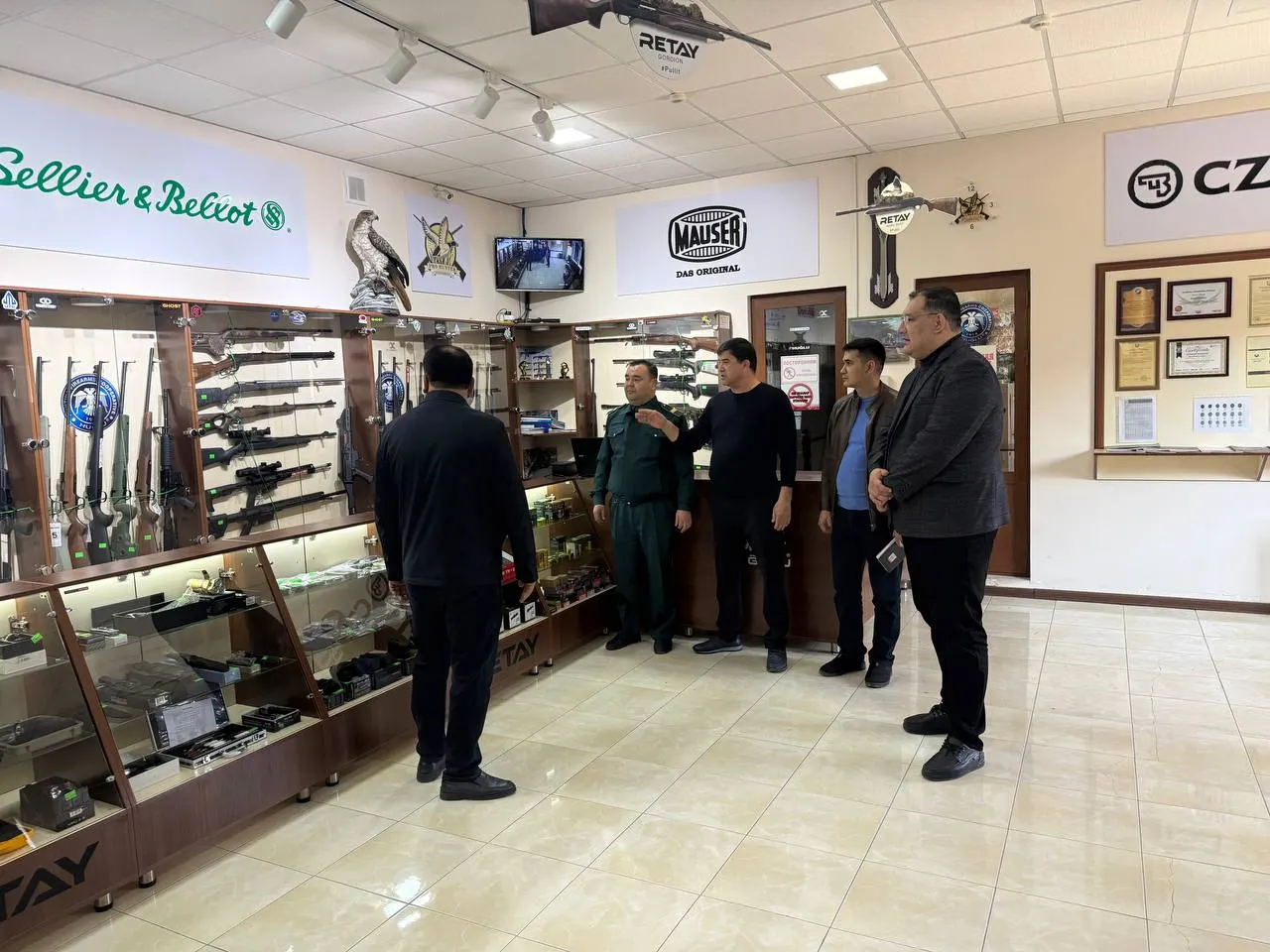
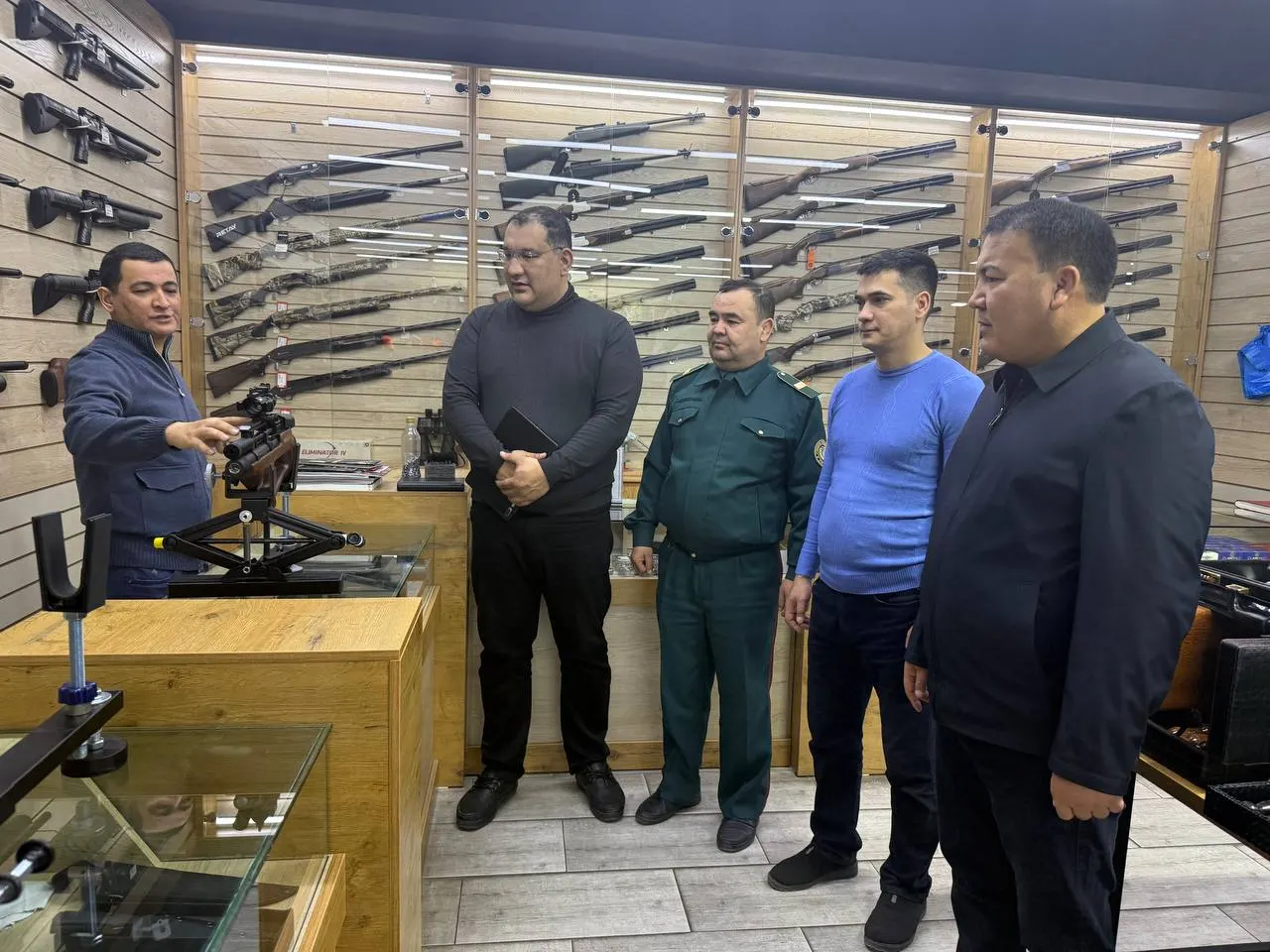
The working group also studied the activities of shops specialized in the sale of weapons and ammunition in the capital. The sales processes, storage conditions of products, and compliance with legislative requirements were analyzed.
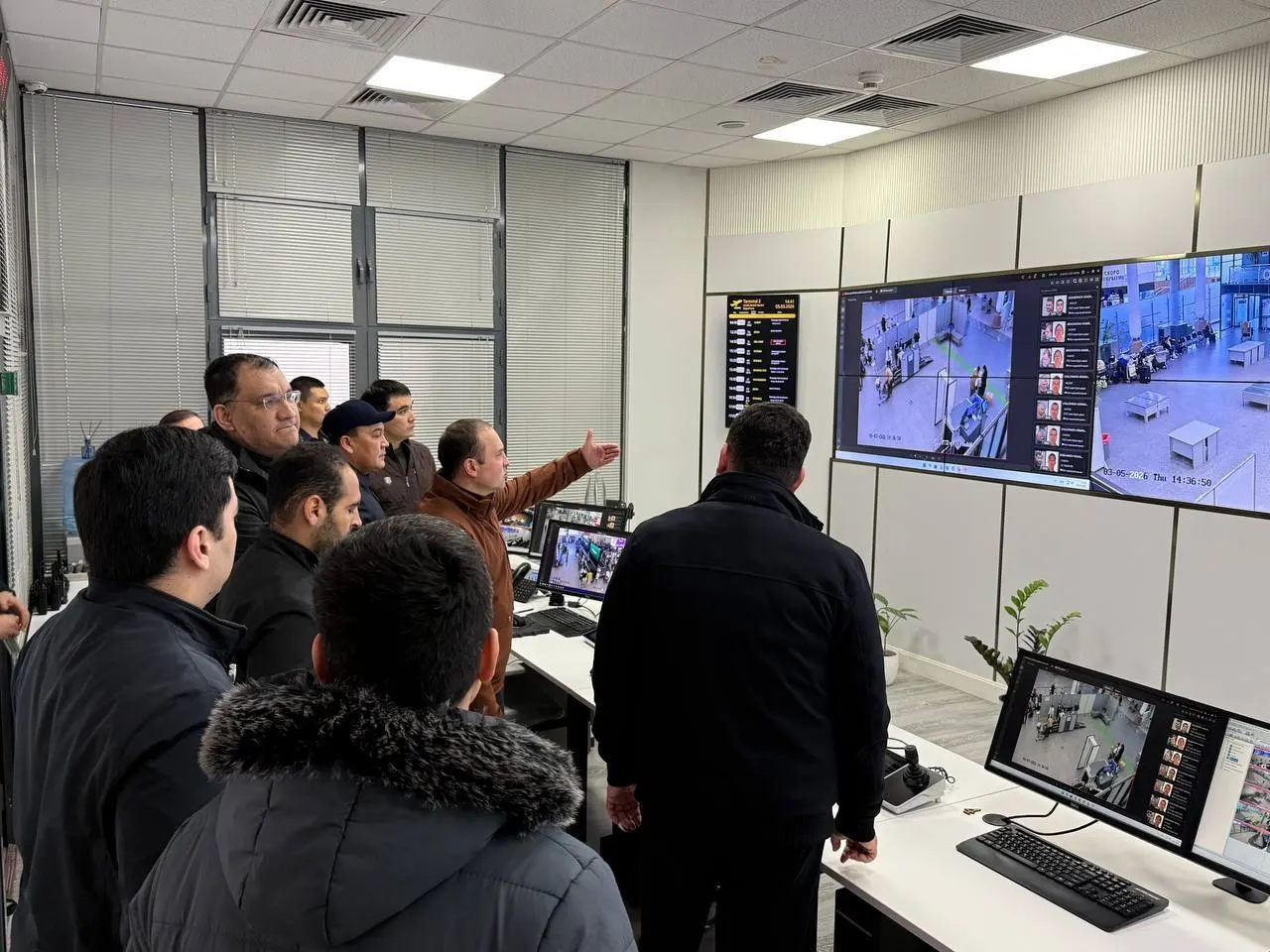
At the conclusion of the studies, proposals and recommendations were developed aimed at strengthening control over the circulation of weapons, integrating information systems, and introducing modern digital solutions.