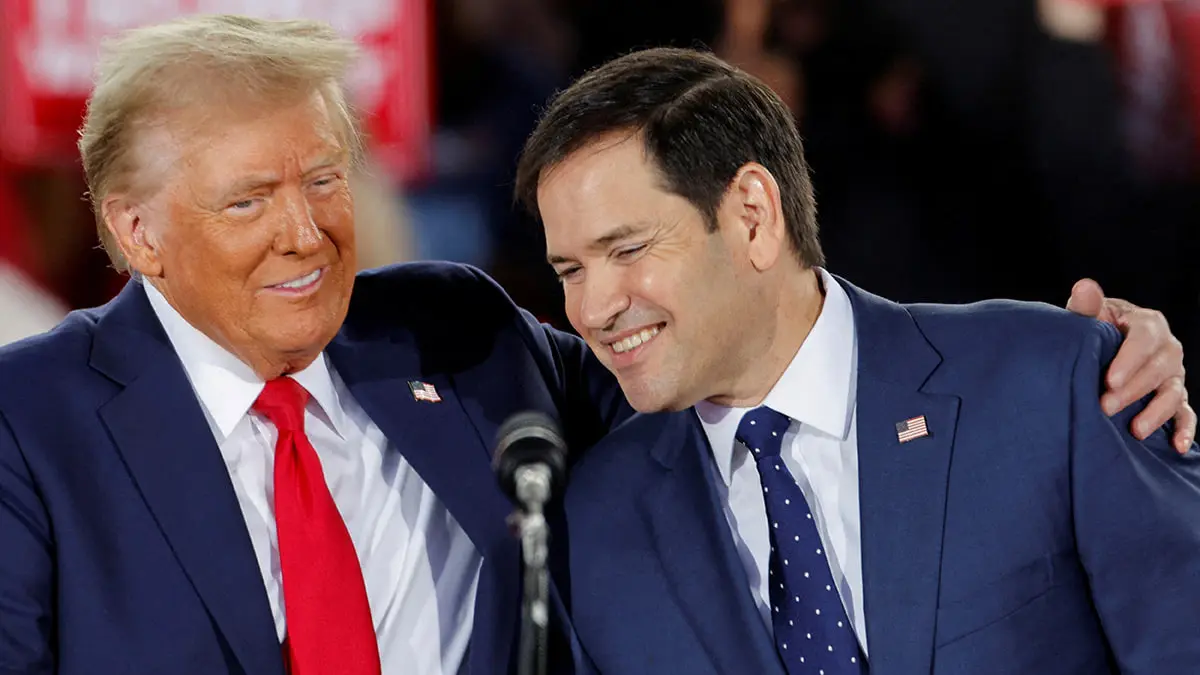
US Secretary of State Marco Rubio will visit Uzbekistan in the coming days.
He is bringing over 200 American business leaders with him. The sheer scale of the delegation alone highlights the historical significance of the visit.
At first glance, this is simply a large delegation. However, looking at the recent history of Uzbekistan-US relations, this figure is a sign of a much larger shift, as Washington's dialogue with Uzbekistan has not always been the way it is today.
At one time, whenever Uzbekistan was mentioned, human rights, fundamental freedoms, and issues like forced and child labor stood at the forefront of the US and Western agenda. International organizations would issue reports, human rights defenders would raise questions, and Uzbek cotton was under a boycott by hundreds of international brands. In short, Uzbekistan was often recognized through its problems rather than its opportunities.
Today, the landscape is different. The negotiating table features areas such as investments, critical minerals, energy, finance, artificial intelligence, digital technologies, and infrastructure.
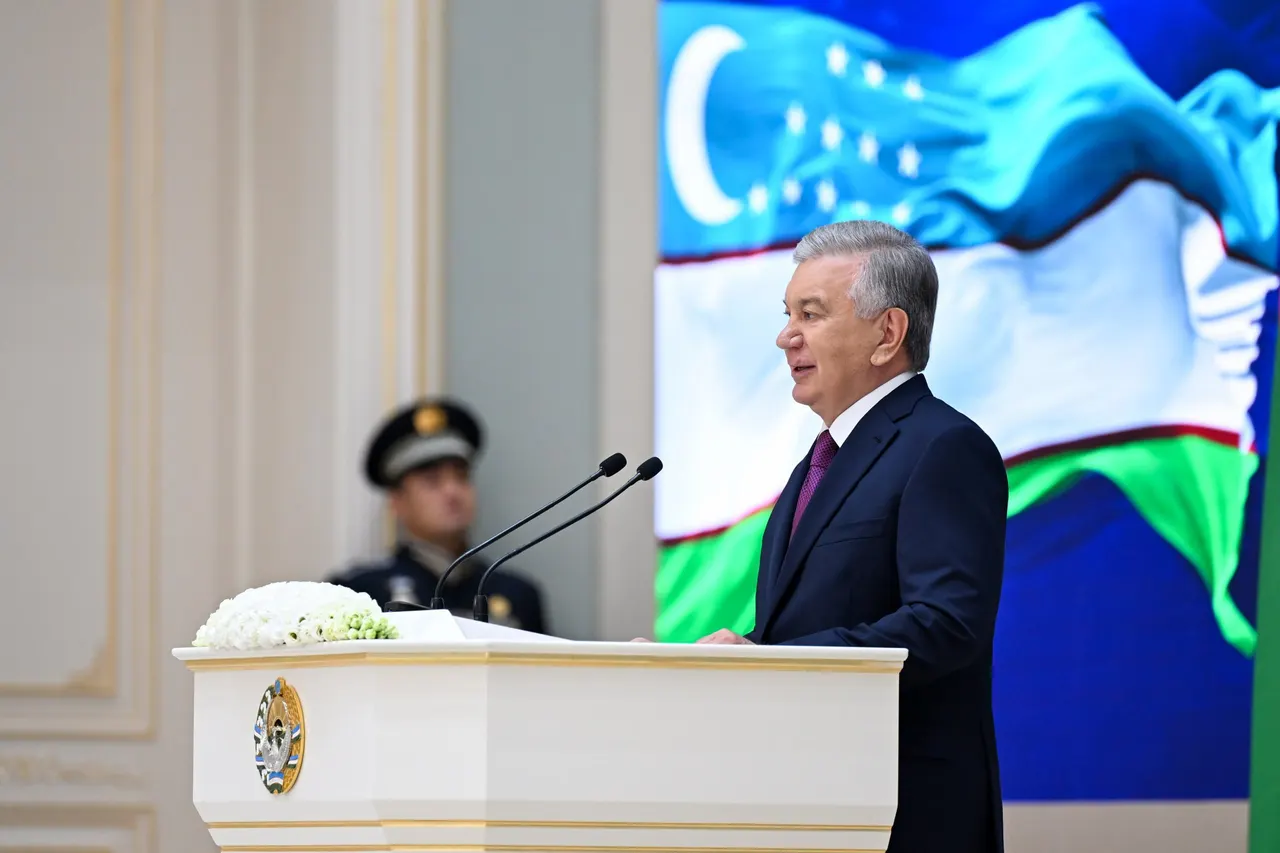
This transformation is not the result of a single visit or a single agreement. The policy of openness and reforms initiated by President Shavkat Mirziyoyev has systematically removed problems that had accumulated over the years from Uzbekistan's relations with the outside world.
The most striking example is forced labor. The system surrounding this issue, which was once one of the greatest pressures on Uzbekistan's international image, was reformed. Following the results of the 2021 cotton harvest, the International Labour Organization noted that systematic child and forced labor in cotton production in Uzbekistan had been eradicated. In 2022, the global boycott against Uzbek cotton, which had been in effect since 2011, was lifted.
At the same time, foreign policy itself changed: Uzbekistan transformed from a country that had to choose between major powers into a state capable of building equal and reliable relations with each of them based on its own interests. Relations with the US have also moved beyond political dialogue and are increasingly filled with economic substance.
In June, President Shavkat Mirziyoyev held talks with the heads of the US EXIM Bank and DFC, as well as representatives of major companies such as BlackRock, Boeing, Visa, JPMorgan, Meta, Air Products, and others. The discussions focused on promoting concrete projects in the fields of critical minerals, energy, metallurgy, finance, artificial intelligence, and digital technologies.
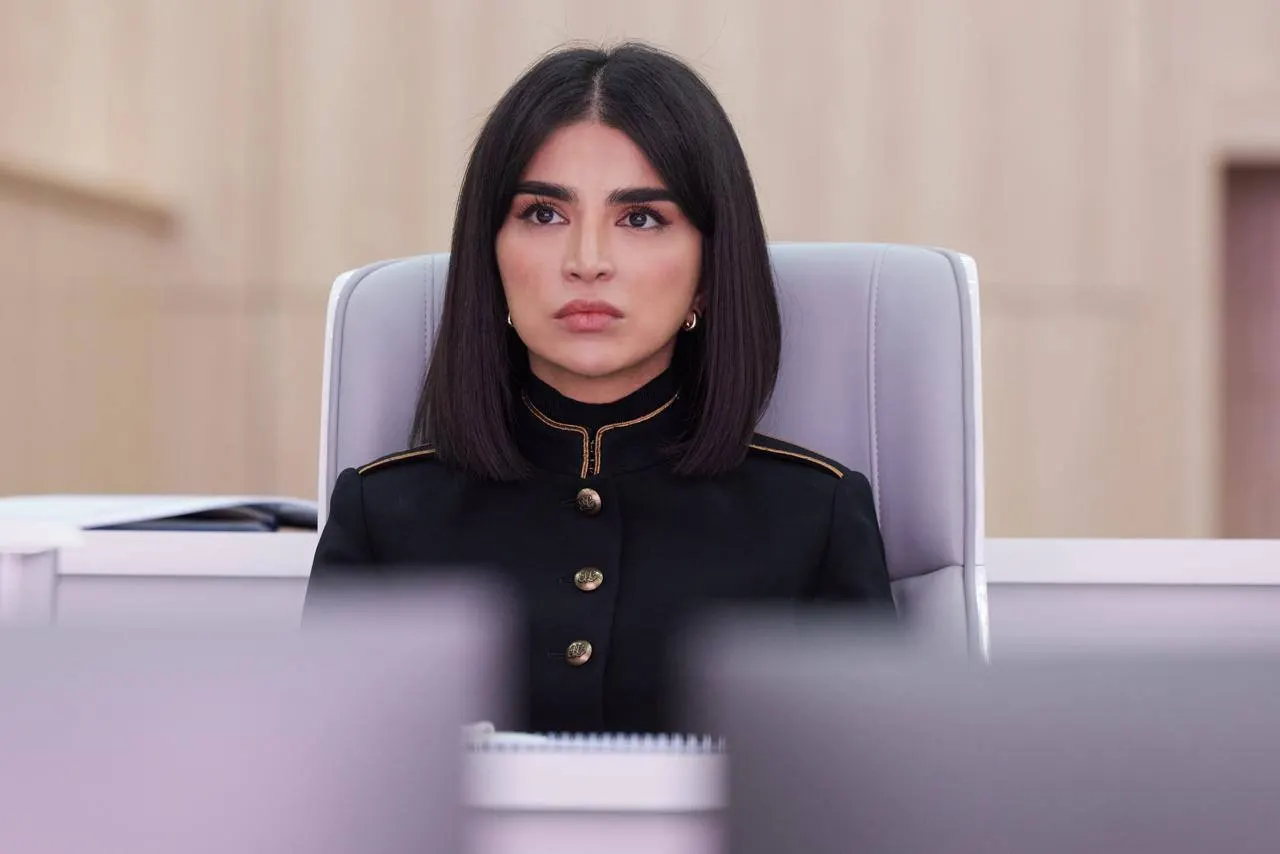
Head of the Presidential Administration Saida Mirziyoyeva is also actively working in this direction. Just in September in New York, negotiations were held with the leadership of DFC, BlackRock, and Google regarding investments, finance, critical minerals, and technologies. In other words, political dialogue is increasingly being translated into concrete projects and economic interests.
From this perspective, Marco Rubio's arrival in Samarkand with more than 200 business leaders is not an isolated event. It is the next result of relationships that have been built over several years.
While Washington once posed the question “What needs to be changed?” toward Uzbekistan, today the question “What shall we do together and where shall we invest?” is heard more and more often. Such changes in diplomacy do not happen by chance. First, one must solve problems, then restore trust, and subsequently turn political relations into economic interests.
The openness in President Shavkat Mirziyoyev's policy, the active dialogue of the Presidential Administration led by Saida Mirziyoyeva with US political and business circles, and the practical agreements of recent years all converge at one point: people are no longer coming to Uzbekistan with a list of problems, but with a portfolio of projects.