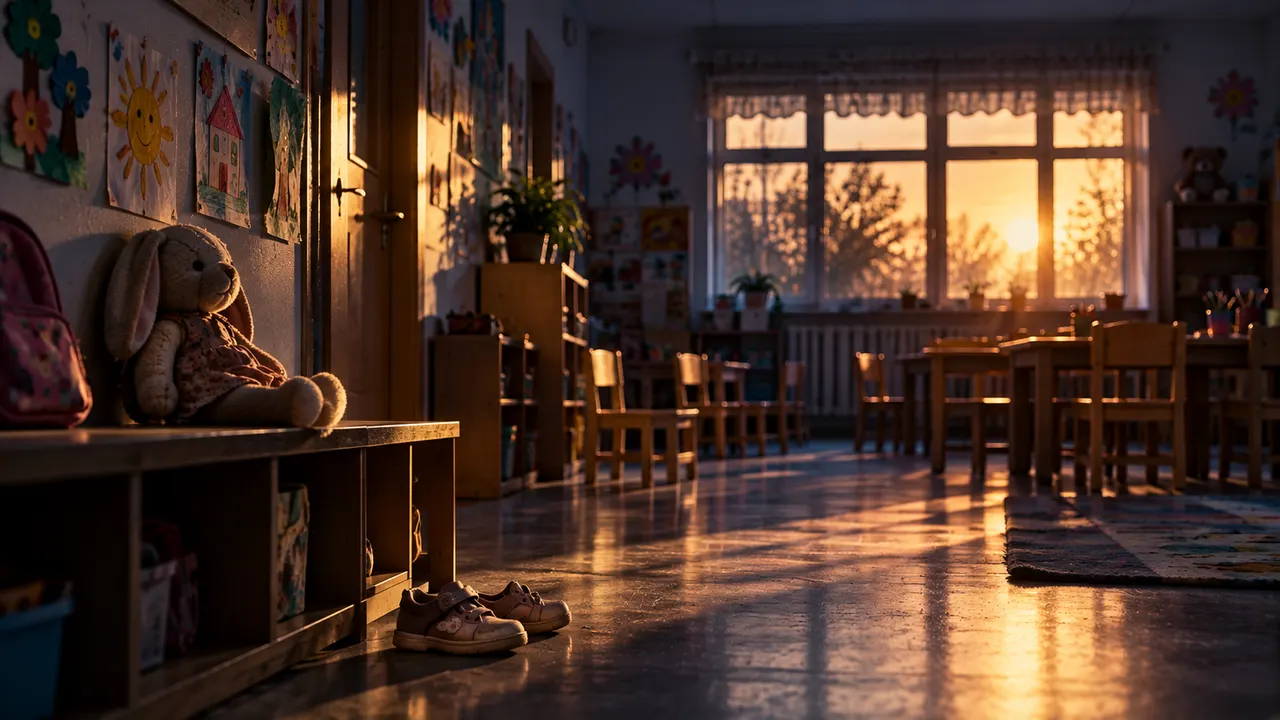
The sexual violence committed against a five-year-old girl at a state preschool educational organization in the Uchkurgan district of Namangan region has caused a major public resonance.
Following the incident, not only the punishment of the perpetrator, but also the responsibility of the officials who allowed such a situation to happen, children's safety, and even the issue of reinstating the death penalty in Uzbekistan became topics of discussion.
The first official response was given on September 22
The first official response regarding the incident was given on September 22 by the Namangan Regional Department of Preschool and School Education.
According to the department, the suspect in the incident that occurred at the state preschool educational organization in Uchkurgan district was detained in a procedural manner, and a preventive measure in the form of imprisonment was applied against him.
It was reported that a criminal case was initiated by the district Department of Internal Affairs under Part 4 of Article 118 of the Criminal Code, and preliminary investigative actions are being carried out.
The situation has been placed under the personal control of the head of the regional Department of Preschool and School Education.
The case was transferred to the control of the General Prosecutor's Office
Later, the General Prosecutor's Office announced that the criminal case was initiated under Articles 118 and 112 of the Criminal Code.
The case was transferred to the Namangan Regional Prosecutor's Office, and the investigation was placed under the personal control of the Prosecutor General.
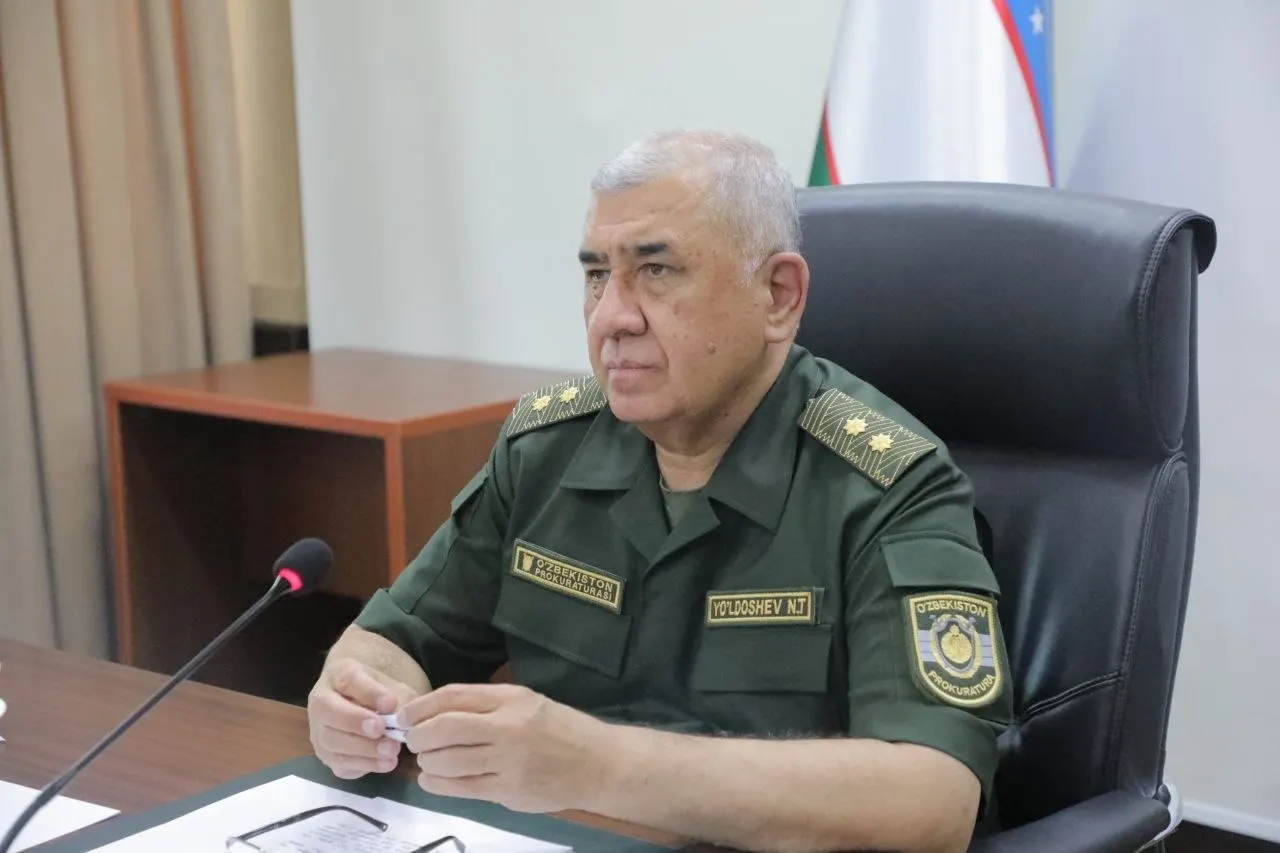
The prosecutor's office stated that a legal assessment will be given to every circumstance related to the persons involved in the crime, the concealment of the situation, or the inaction of officials.
At the same time, since the investigation is still ongoing, it is too early to say that all the details of the crime and the circle of responsible persons have been finally determined.
The Children's Ombudsman also submitted a representation
On September 22, the Children's Ombudsman submitted a representation to the Ministry of Preschool and School Education. It requested a critical review of the internal service investigation, the resolution of the issue of responsibility for responsible employees, and the taking of measures to eliminate the causes and conditions threatening children's safety.
It was also proposed to strengthen security measures in all preschool educational organizations, conduct targeted inspections on the performance of duties by employees, and review internal control mechanisms.
The ministry was tasked with providing information on the results within 15 days, along with copies of documents.
Assistance is being provided to the family
The leadership of the National Agency for Social Protection also announced that work is being carried out with the victimized girl and her mother.
Specialists and psychologists are helping the family. It is planned to relocate the family to another city, provide housing and rehabilitation, and assist the mother with education and employment.

If necessary, the possibility of changing the family's surname and creating conditions for them to start a new life in a safe environment is also being considered.
Where did the debate on the death penalty start?
The tragedy in Namangan caused great public outrage. Especially since it concerns a child, demands to apply the harshest punishment intensified on social networks.
One of the first to openly raise this issue at a high level was Saida Mirziyoyeva, Head of the Presidential Administration.
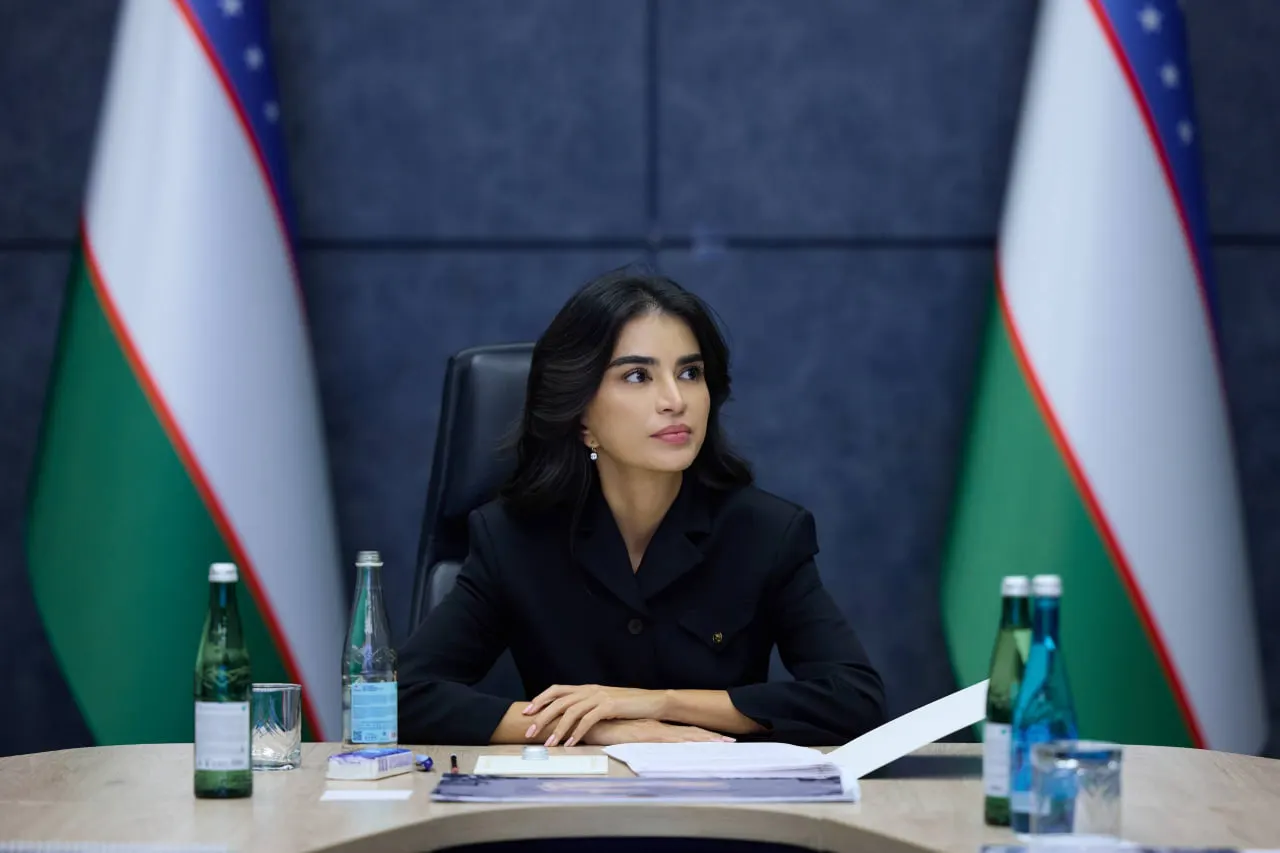
In her response, she expressed the position that, in her opinion, the death penalty should be applied for such brutal crimes.
However, Saida Mirziyoyeva also emphasized that such a punishment does not exist in current legislation. She stated that the criminal should face the harshest punishment within the framework of the law, and the responsibility of officials who failed to protect the child must also be ensured.
She also announced that a proposal is being prepared to amend the legislation in order to maximize responsibility for such crimes.
Therefore, this statement does not mean that the death penalty has been reintroduced in Uzbekistan. It refers to Saida Mirziyoyeva's position regarding this punishment and the preparation of a proposal to amend the legislation.
Alisher Kodirov also expressed his position
Following this, Alisher Kodirov, leader of the "Milliy Tiklanish" Democratic Party, also expressed his attitude on the issue of the death penalty.
He called the death penalty a necessity, emphasizing the need to apply such punishment especially in cases of persons who have committed grave crimes against children.
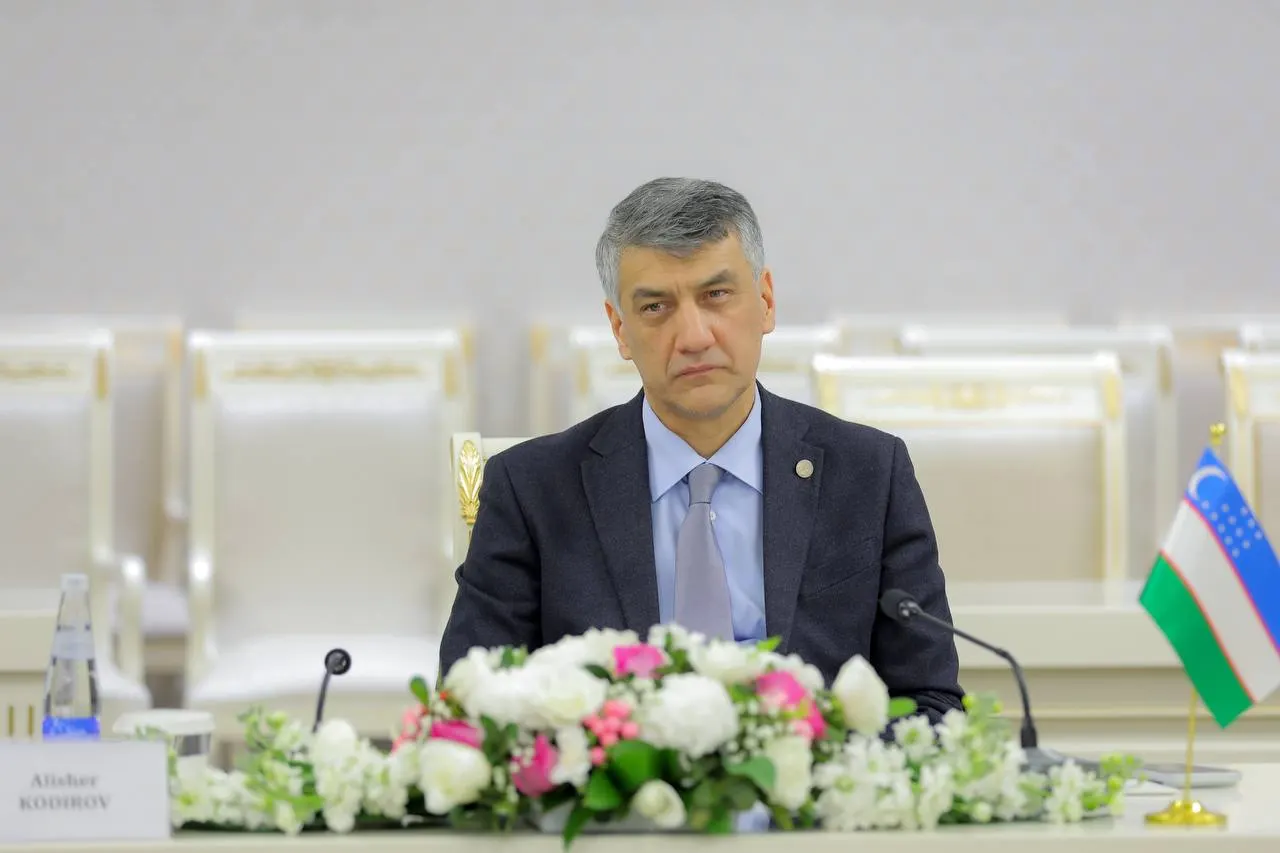
Kodirov also expressed thoughts about the risks associated with the reintegration of such individuals back into society.
Thus, following the tragedy in Namangan, the issue of the death penalty became a separate topic of state and public discussion.
But what does the current law say?
Article 25 of the Constitution of Uzbekistan clearly states:
“Capital punishment is prohibited in the Republic of Uzbekistan.”
Therefore, today the death penalty is not a type of punishment in force in Uzbekistan. The issue of introducing it requires appropriate amendments to the legislation.
Lawyer Zafarbek Solijonov also commented on this exact topic, expressing his views on Saida Mirziyoyeva's statement, the legal status of the death penalty, and the issue of its reinstatement.
The case in Khorezm should also be remembered
In the debate on reinstating the death penalty, there is another important issue: along with the severity of the punishment, how it is applied and its fairness are also important.
The incident in Khorezm is being cited as an example of this. A criminal case was exposed stating that the head of a family-type orphanage had handed over underage girls aged 15–17 to two officials for several months. One of them was the head of the regional Justice Department and at the same time a member of the anti-trafficking commission. The second headed the district emergency department.
The trial was held behind closed doors, and the officials were sentenced to 1 year and 6 months of restriction of liberty. The appellate court upheld the verdict unchanged. Later, the case became known to the public, and the issue of review was raised.
This case cannot be equated with the situation in Namangan. The crimes and their legal qualifications are different.
However, it raises an important question:
Does the law work the same for everyone when the gravest crimes are committed?
The mother of the little girl from Namangan is alive and fighting for her child. The girls in Khorezm were orphans under state care. Therefore, the issue of protecting children cannot be solved solely by aggravating the punishment.
The issue of irreversible punishment
There is another important aspect in the debate over the death penalty.
The possibility of judicial error exists in any legal system. A wrongly convicted person can later be acquitted and released. But an executed person cannot be brought back.
Also, lawyers and criminologists discuss whether the imposition of the death penalty for a grave crime against a child might reduce the perpetrator's incentive to leave the victim alive.
In this sense, a thought expressed in an anonymous quote is noteworthy:
“By killing a killer, we do not reduce the number of killers.”
How to protect children?
Here, the issue is not only in the severity of the punishment. The inevitability of crime detection, the impartiality of the investigation, the fairness of the court, responsibility for the inaction of officials, screening of employees working with children, and strengthening internal control in educational institutions are equally important.
Especially after the incident in Namangan, it is once again evident that control mechanisms for child safety in preschool educational organizations need to be reviewed.
The issue of covering every area of educational institutions with video surveillance, constantly monitoring the operation of cameras, and strengthening the procedure for storing recordings can also be seriously considered.
Because truly protecting a child is not just about applying the harshest punishment after a crime has been committed.
The most important thing is to prevent crimes from happening and to ensure that the law works equally for everyone when a crime is committed.
As for the case in Namangan, the result of the investigation, the legal assessment of all circumstances of the crime, and the decision regarding the actions of responsible persons are still ahead.