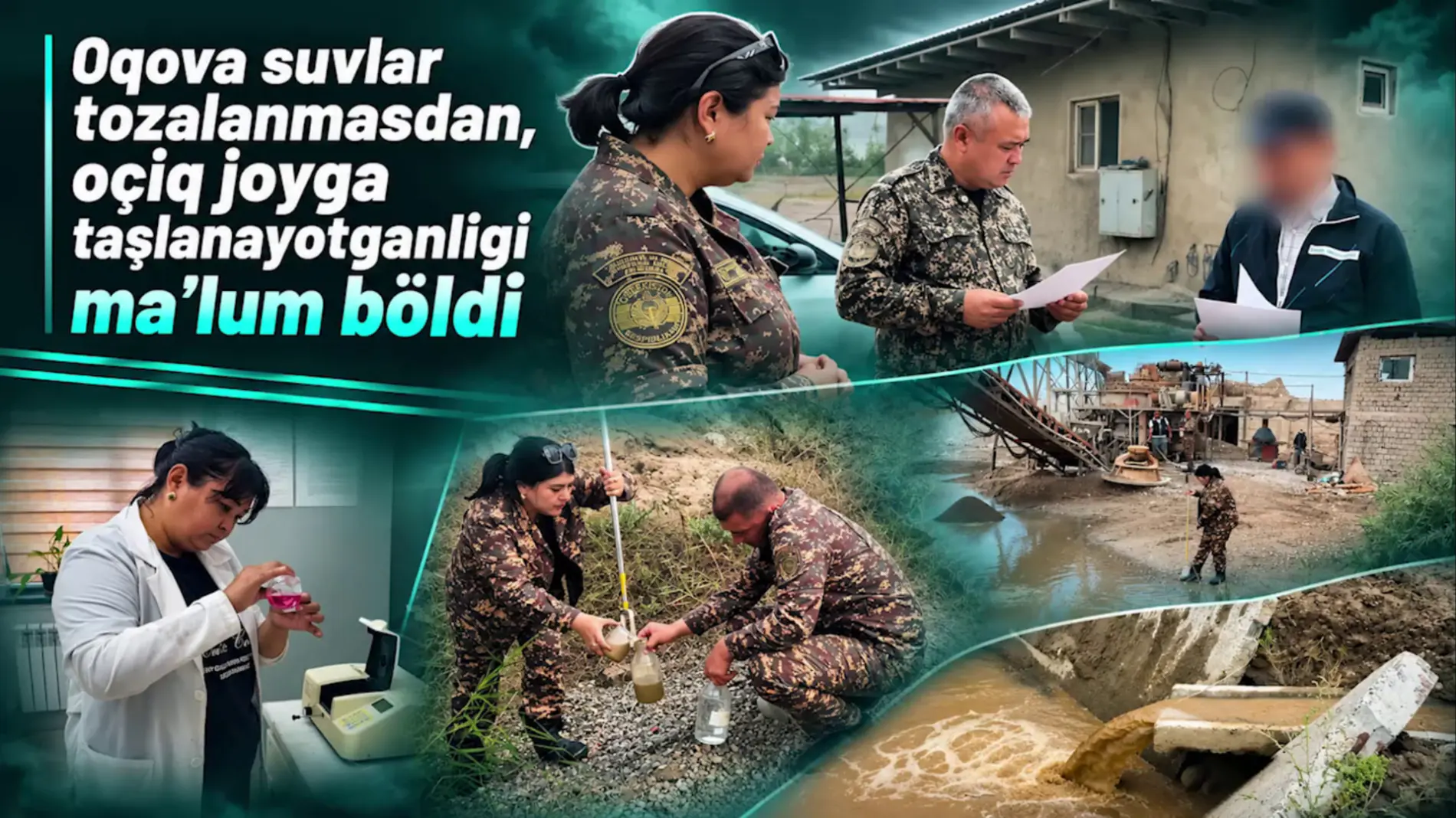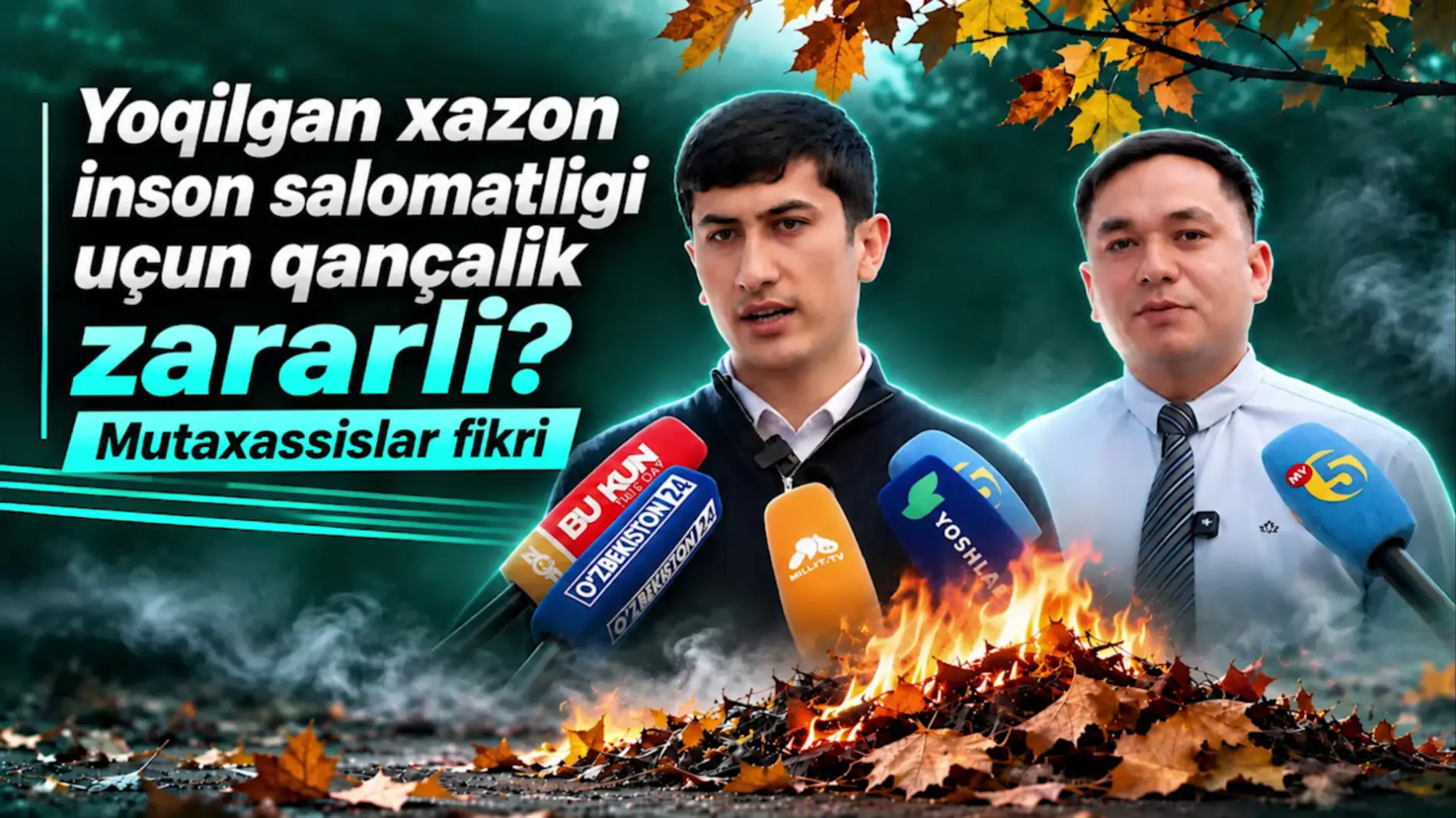
Unfortunately, with the arrival of autumn, cases of burning fallen leaves are observed in some regions. Most people consider this a normal occurrence, but according to experts, harmful substances dangerous to human health and nature are released into the atmosphere from leaves, twigs, and plant remnants burned within just a few seconds.
According to Alisher Khudoyberdiyev, chief specialist of the National Committee for Ecology and Climate Change, when leaves burn, fine particulate matter (PM2.5 and PM10), carbon monoxide, and other harmful compounds are released into the air, causing pollution. Furthermore, combustion destroys beneficial microorganisms on the soil surface, damaging the natural fertility of the soil.
According to Muzaffar Karimov, a doctor at the Republican Specialized Scientific-Practical Medical Center of Oncology and Radiology, harmful substances released during leaf burning enter the human body through respiration, posing a danger especially to children, the elderly, and people suffering from respiratory diseases. Smoke can cause eye irritation, coughing, shortness of breath, and allergic reactions, as well as exacerbate asthma and other chronic respiratory conditions. Fine particles penetrate deep into the lungs and also negatively affect the cardiovascular system.
It is worth noting that instead of burning fallen leaves, they can be turned into compost, chopped up, and used as a natural fertilizer for the soil. This not only prevents air pollution but also serves to increase soil fertility.
Remember! Setting fire to fallen leaves is a danger that seems simple at first glance but leads to extremely severe consequences. Therefore, do not burn leaves, plant residues, or twigs! If you witness such cases, report them via the short number 11-57 or through @ecogovuz_bot!