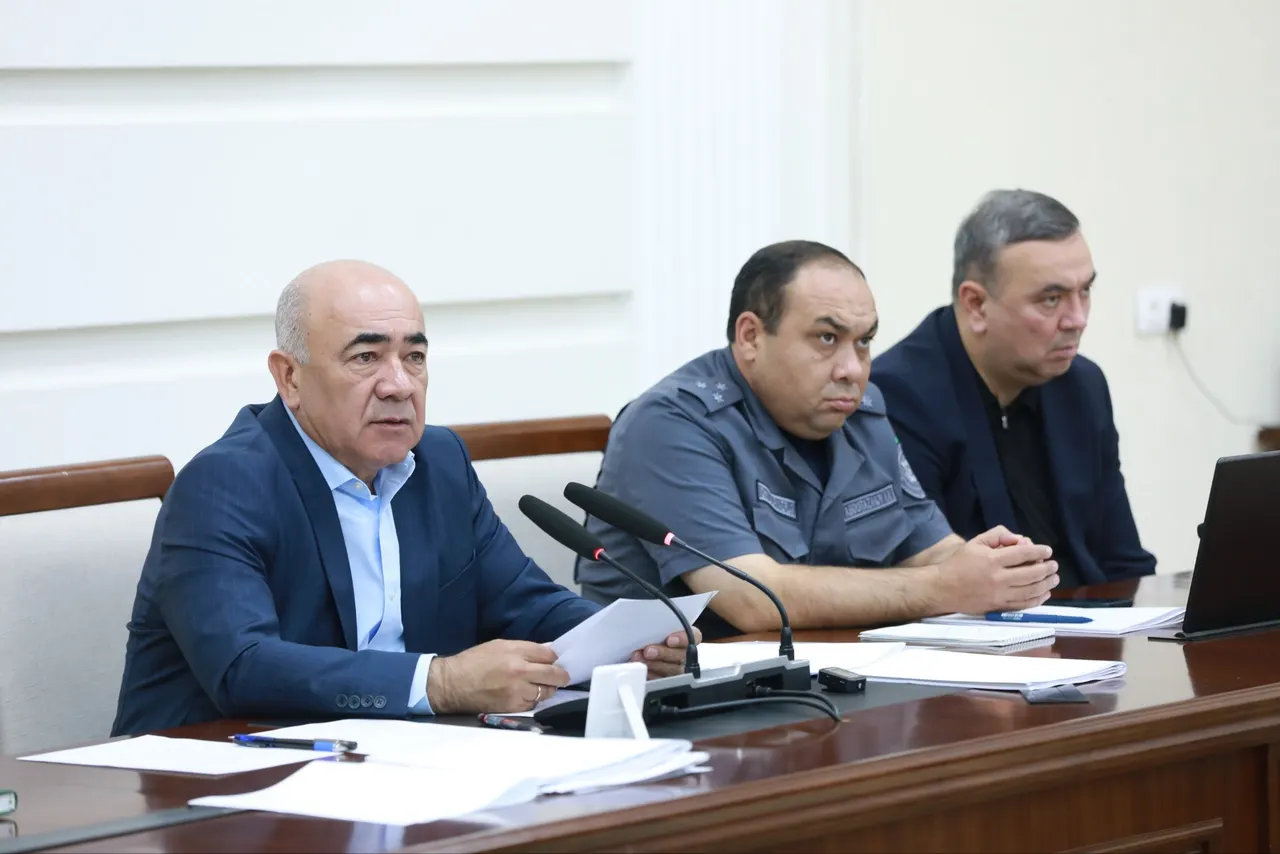
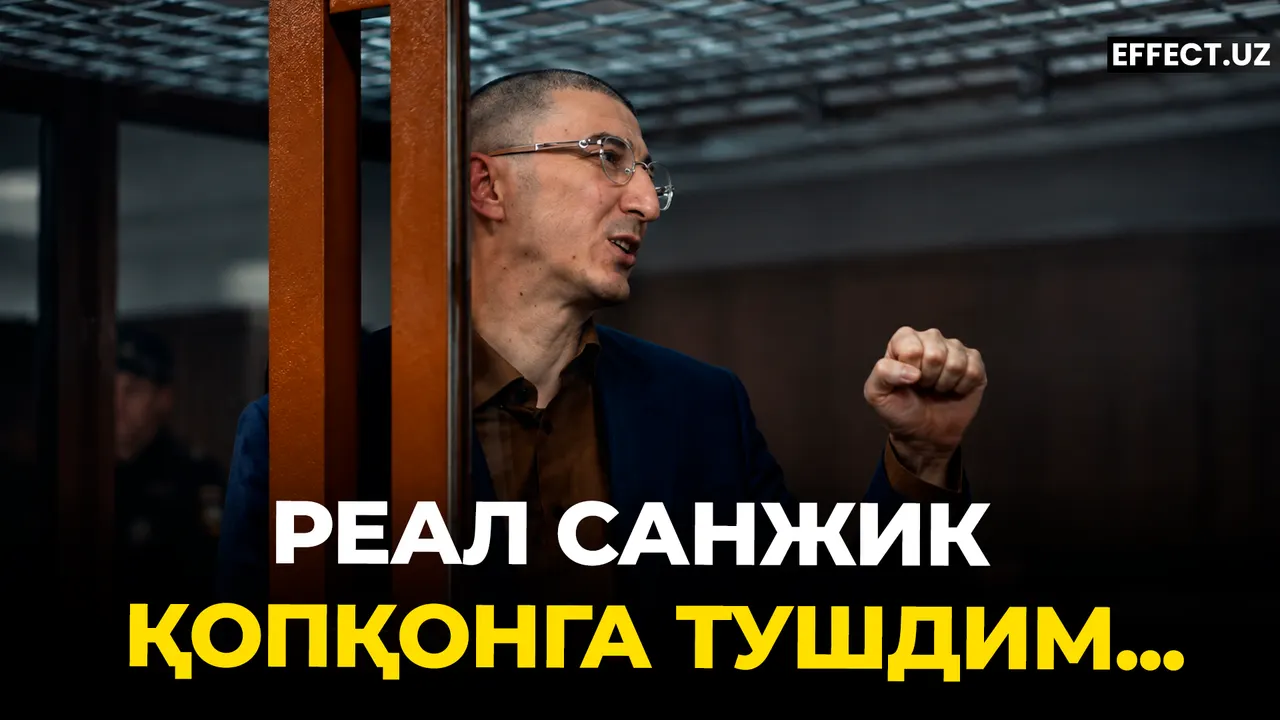
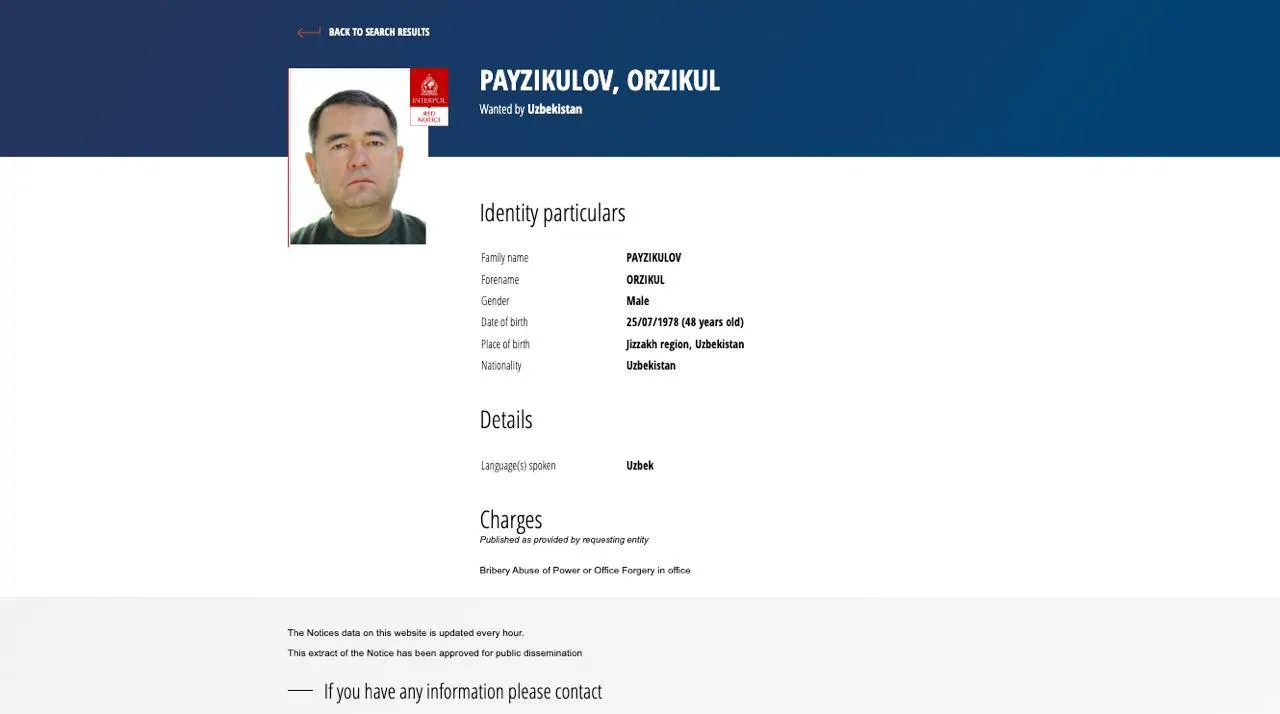
In the case related to a 2.5-hectare land plot in Tashkent district, the Nurafshan Interdistrict Administrative Court raised the issue of the khokimiyat's authority regarding land relations. The court document notes that by Presidential Decree No. PF-6243, the authority of local khokimiyats to determine, recognize, and change rights to land plots was terminated starting August 1, 2021.
Despite this, the khokim of Tashkent district amended the 2021 land decision on January 22, 2026. This contradicts the Presidential Decree. The decree assigns the task of establishing strict prosecutorial supervision in this direction to Prosecutor General Nigmatilla Yuldashev. Therefore, what measures were taken within the framework of prosecutorial supervision in this situation, where violations of the law are recorded in the court's private ruling?
When connecting the chain of documents related to the 2.5-hectare land plot in Tashkent district, serious legal questions arise behind what seems like a simple administrative decision.
We are talking about a land plot attached to "M.G.S" LLC on the basis of the right of permanent use by a 2021 decision of the Tashkent district khokim. Later, this decision was amended. After some time, the introduced amendment was cancelled. Following this, "M.G.S" LLC applied to the court.
The most notable aspect is that in the previous court hearing on this land issue, the Nurafshan Interdistrict Administrative Court issued a private ruling noting the existence of violations of the law by officials of the Tashkent district khokimiyat.
Nevertheless, in the subsequent court process, the khokimiyat's decision dated June 11, 2026 was found invalid.
So, how did events unfold?
The story begins in 2021
By decision No. 677 of the Tashkent district khokim O. Rustamov dated June 3, 2021, a total of 2.5 hectares of land from the district reserve, located at the address of Bogizilol MFY, Kizgaldok area, which is in the protection zone of a high-voltage power transmission line, was attached to "M.G.S" LLC with the right of permanent use.
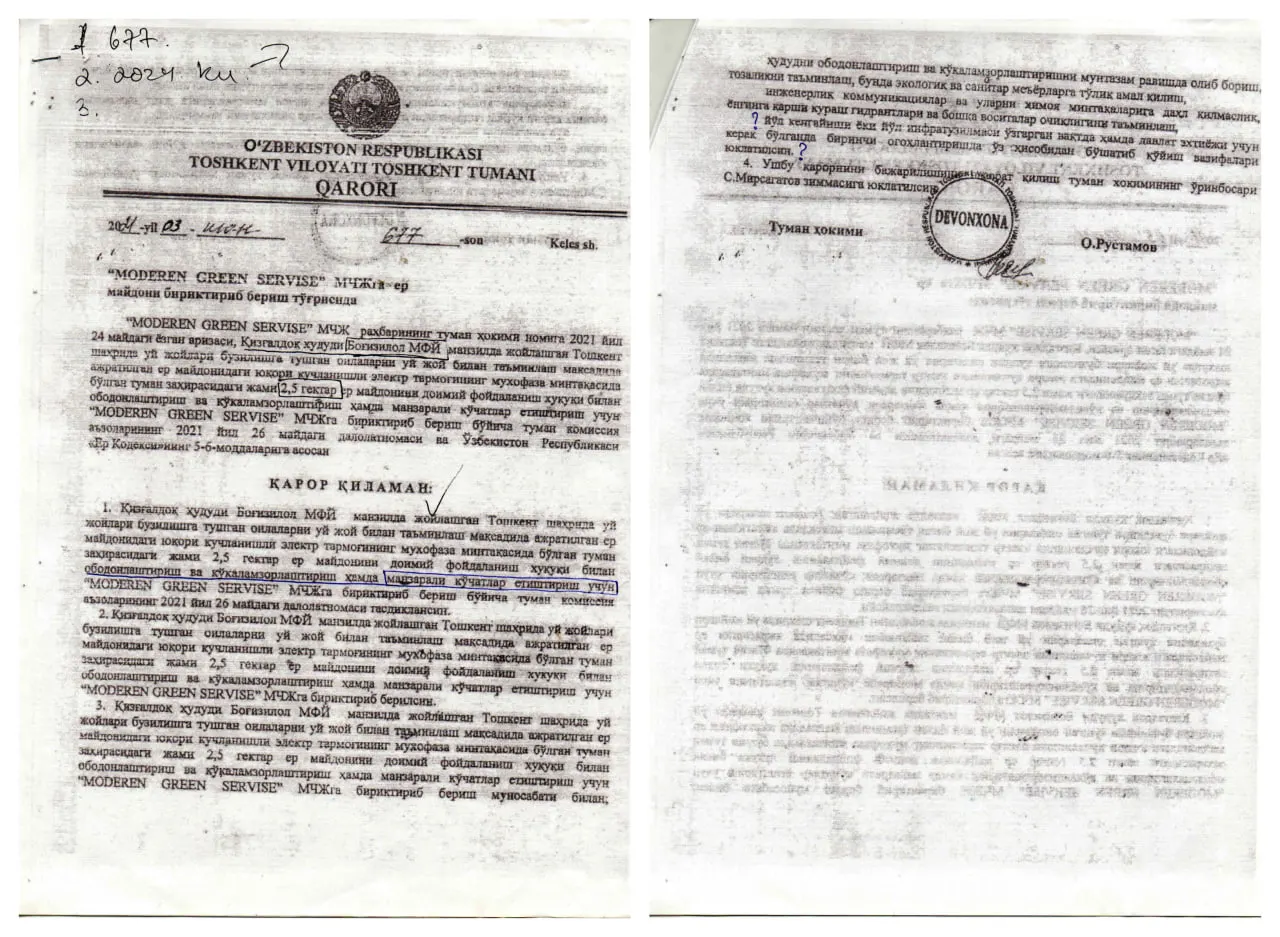
According to the documents, the land was designated to be used for landscaping, greening, and growing ornamental seedlings. This decision was later approved by the decision of the Tashkent District Kengash of People's Deputies dated January 27, 2022. Thus, legal relations regarding the land remained in effect for several years. However, in 2026, another amendment was made to the document.
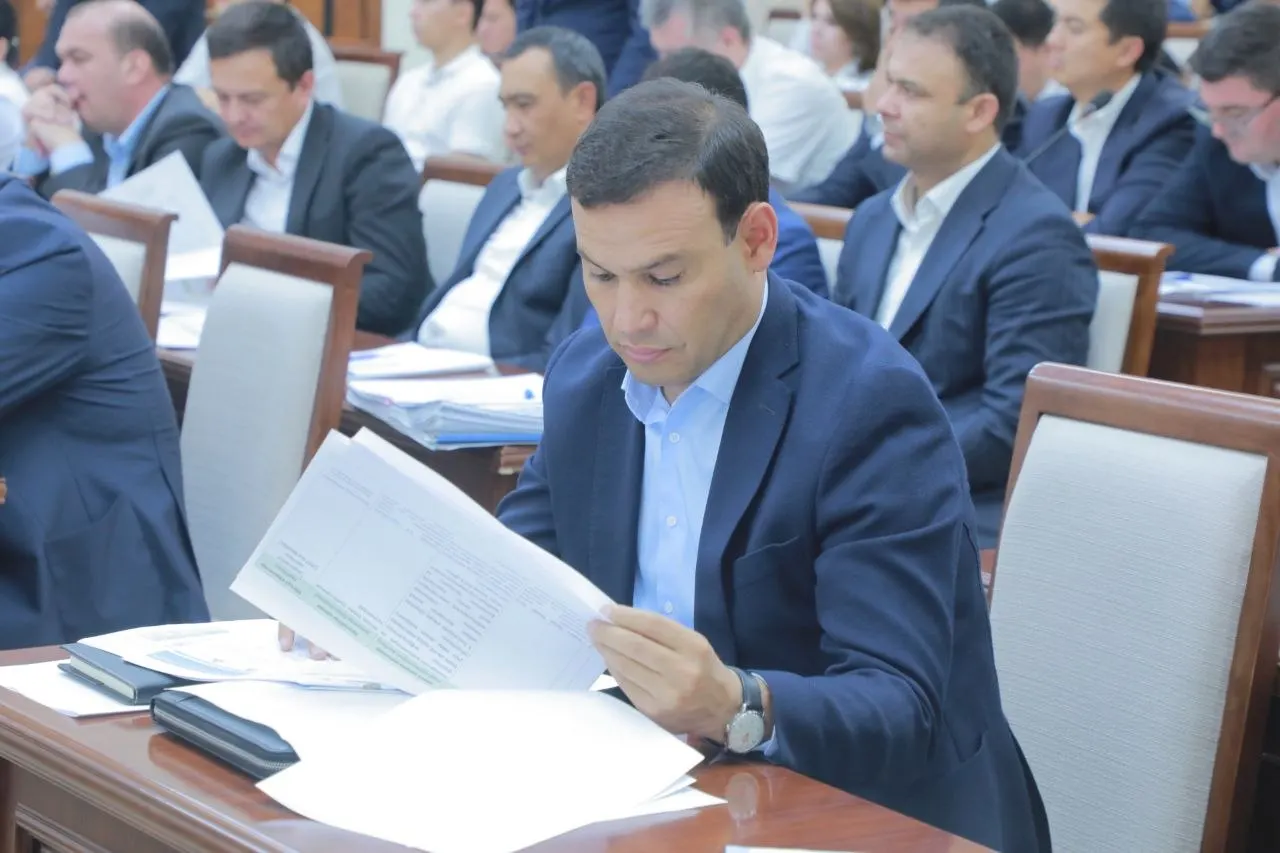
January 22, 2026: The khokim's new decision contradicting the Presidential Decree
By decision No. 6-10-212-Q/26 of Tashkent district khokim Sardor Ergashev dated January 22, 2026, partial amendments were made to decision No. 677 dated June 3, 2021. The adoption of the decision was based on the application of "M.G.S" LLC dated January 13, 2026, a certificate issued by the Kizgaldok neighborhood, a letter from the Tashkent district construction and housing-communal services department, and a letter from the district branch of the State Cadastres Chamber.
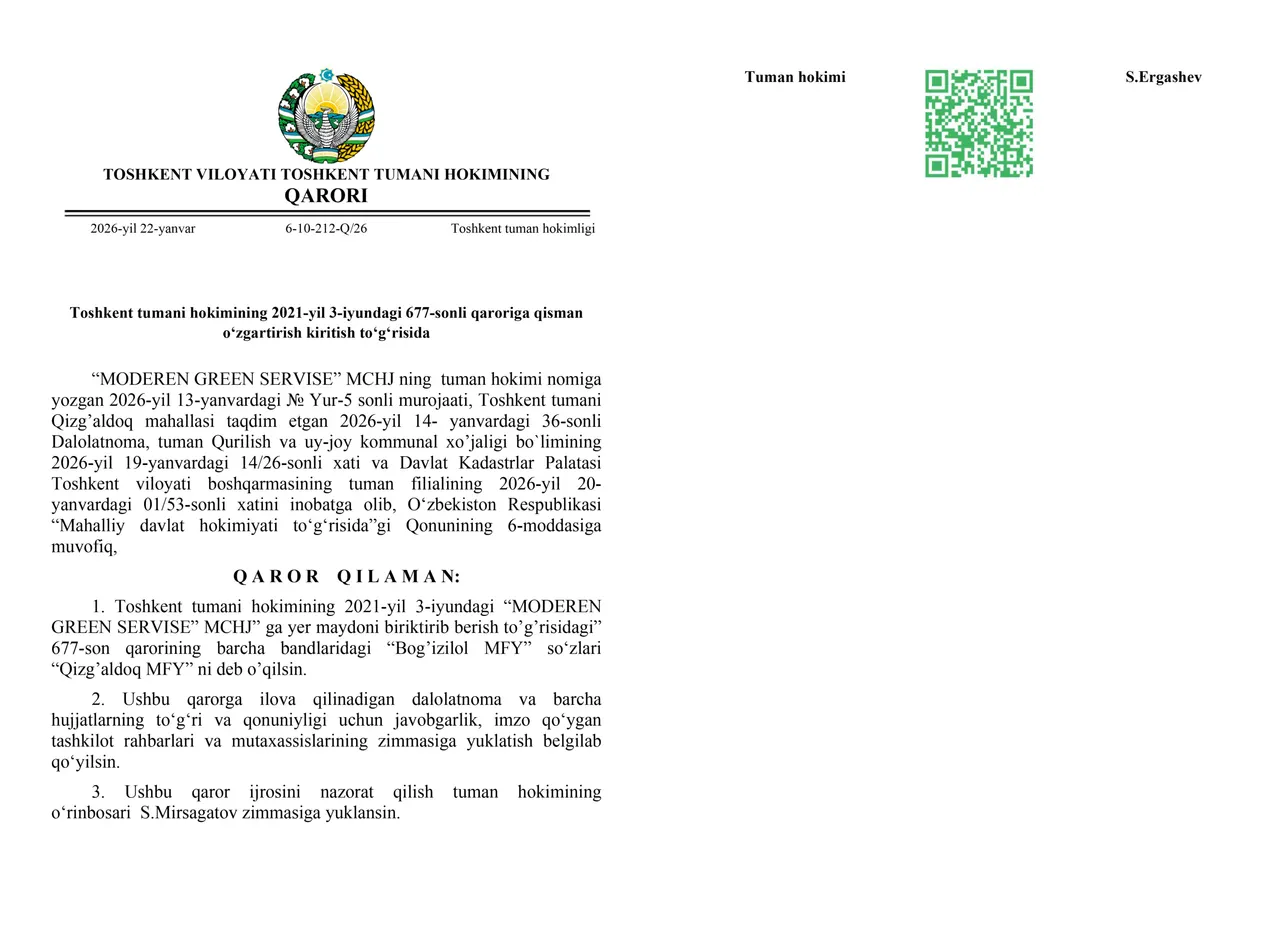
By the first clause of the decision, the words "Bogizilol MFY" in all clauses of the 2021 decision No. 677 were changed to the words "Kizgaldok MFY". At first glance, this might look like a technical change related only to the neighborhood name. But in the subsequent court document, the issue of the khokimiyat's authority related to the adoption of this very decision was seriously questioned.
PF-6243: Did the khokimiyat have such authority?
In the private ruling of the Nurafshan Interdistrict Administrative Court dated June 3, 2026, special attention was paid to paragraph 4 of Presidential Decree No. PF-6243 of the Republic of Uzbekistan dated June 8, 2021.
According to it, a number of powers of local state authorities regarding land relations, including determining, recognizing, changing, and cancelling rights to land plots, as well as the right to adopt decisions, orders, or other documents on these issues, were terminated from August 1, 2021.
The court document explicitly states:
“Accordingly, the district khokimiyat is not authorized to determine, recognize, or change rights to a land plot today.”
After that, the court noted that on January 22, 2026, the Tashkent district khokimiyat changed the name of the MFY in this very decision.
A very important question arises here:
If the authority of local khokimiyats to change land-related rights was terminated from August 1, 2021 by Decree No. PF-6243, on what legal basis did the khokim of Tashkent district amend the 2021 land decision on January 22, 2026?
Answering this question is especially important. Because in the January 22 decision itself, Article 6 of the Law "On Local State Authority" is indicated as the legal basis. PF-6243 was not mentioned in the text of the decision because this decree was signed by the President precisely to eliminate such violations of the law. Nevertheless, the khokimiyat went against this decree.
And the court issued a private ruling
In the case reviewed on June 3, 2026 in the Nurafshan Interdistrict Administrative Court under the chairmanship of judge Sh.F. Niyazov, the Tashkent district khokimiyat and the Tashkent District Kengash of People's Deputies participated as defendants, and "M.G.S" LLC participated as a third party. A prosecutor's representative also took part in the case. During the trial, the court noted the existence of violations of the law by officials of the Tashkent district khokimiyat. As a result, the court issues a private ruling.
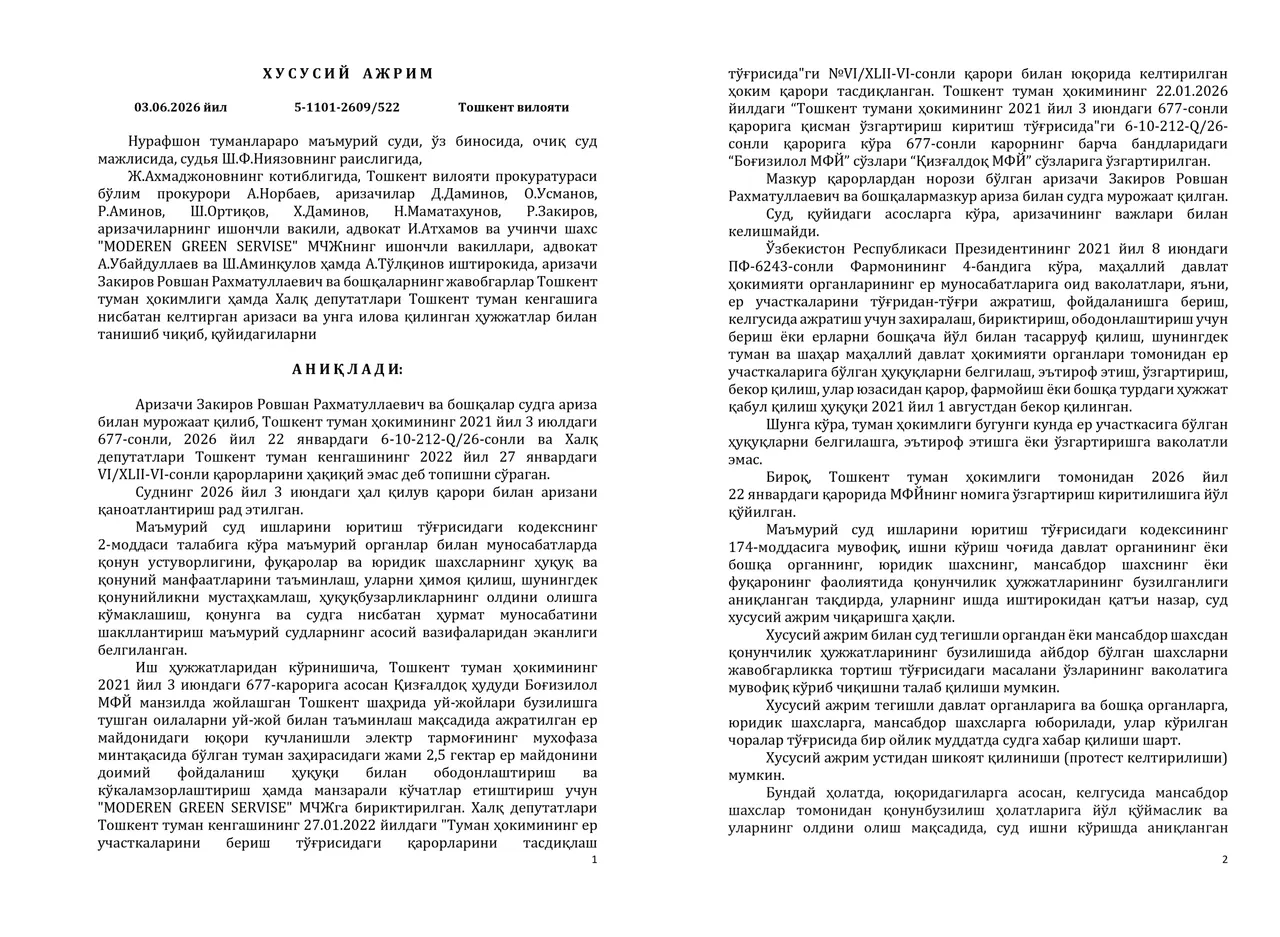
It mandated taking measures regarding the violations committed by khokimiyat officials, discussing the private ruling at an employee meeting, and preventing such violations in the future.
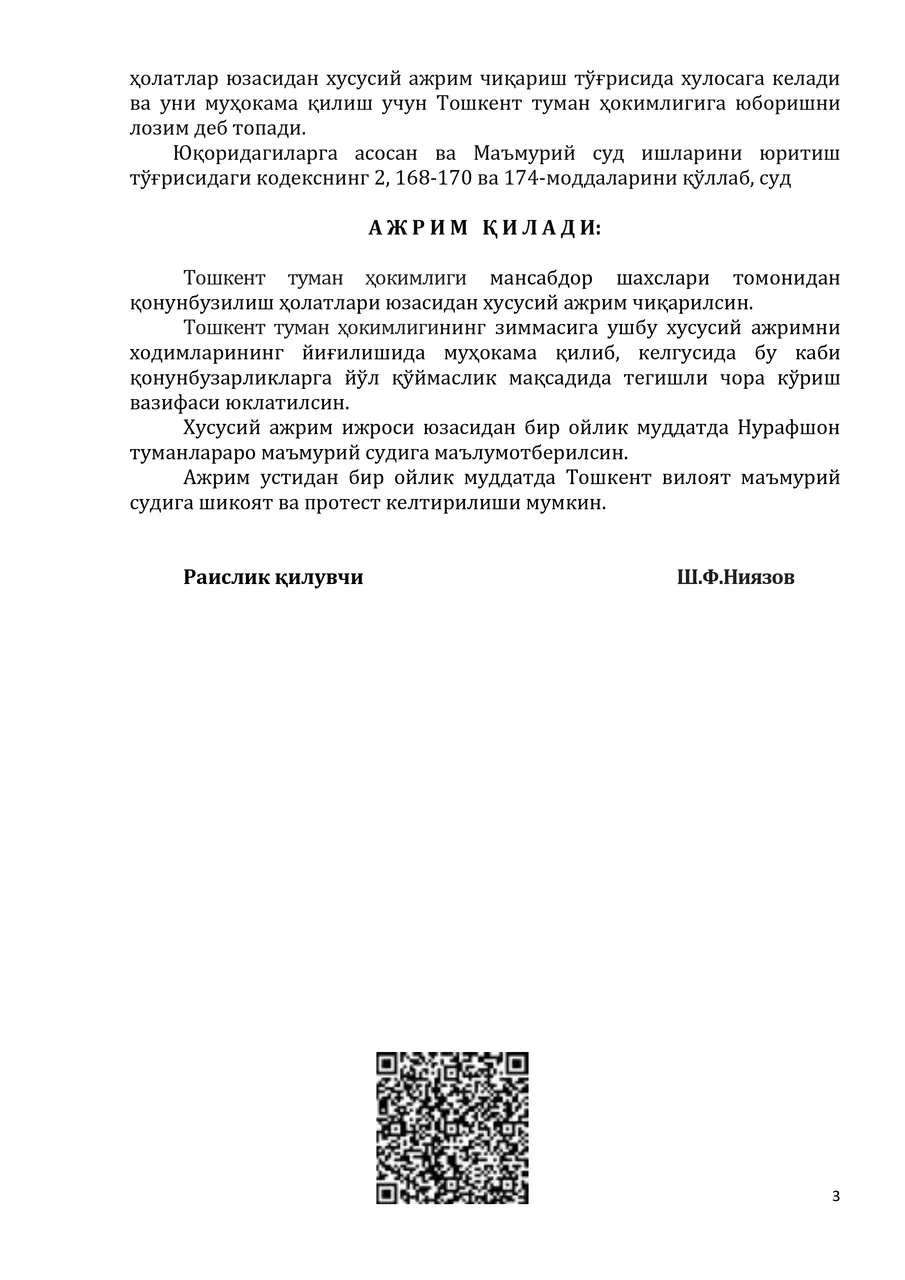
Also, according to the law, the state body to which the private ruling was sent had to notify the court about the measures taken within the established period. Thus, as of June 3, legal questions surrounding the khokimiyat's January 22 decision were no longer mere assumptions, but had become a fact recorded in a court document.
The Prosecutor's representation and the khokimiyat's cancellation of its own decision
There is a very important point in the chronology of events. There is a representation No. 6/71 of the Tashkent District Department of Justice dated April 9, 2026.
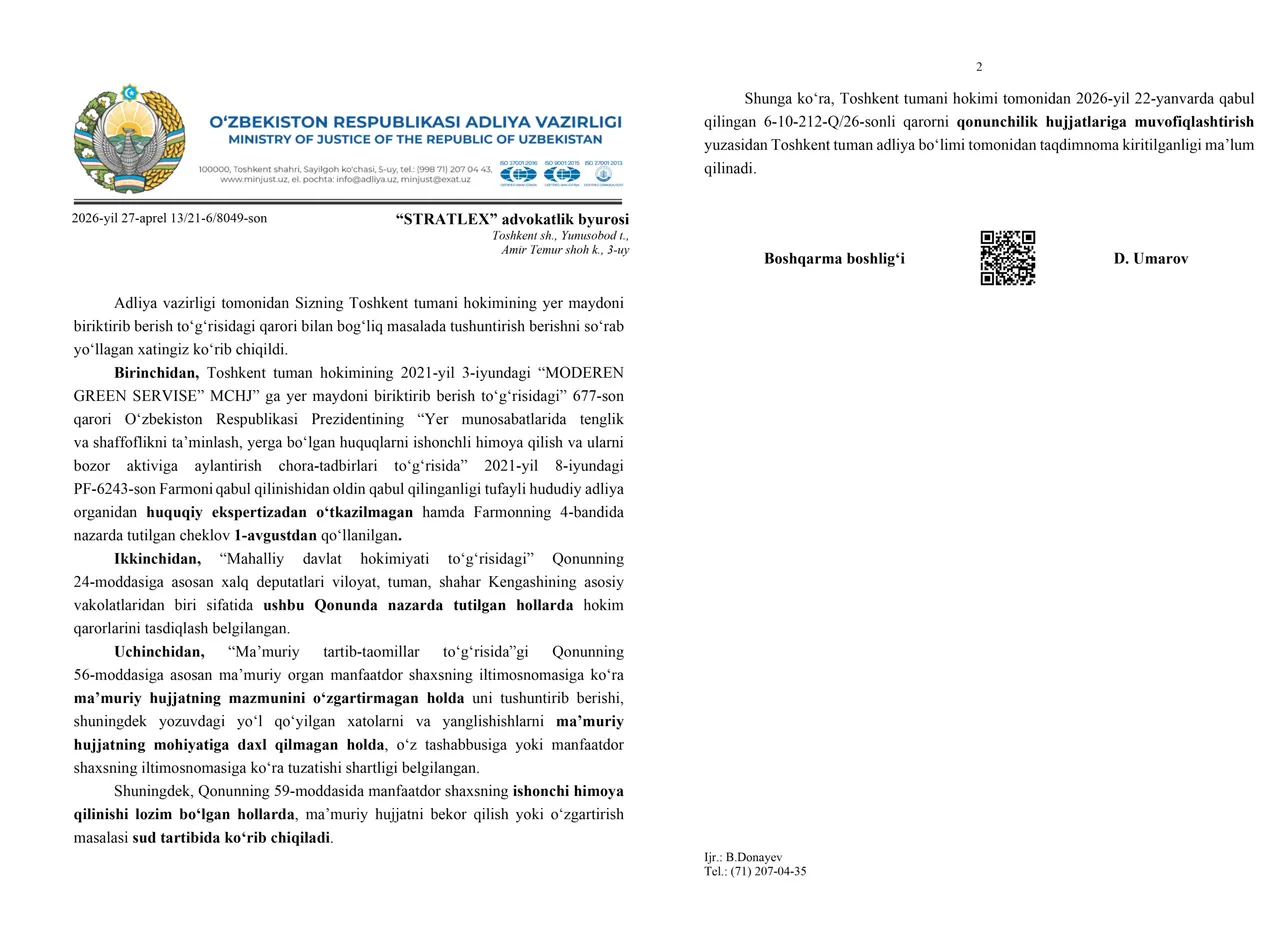
Notable point: this representation was issued before the private ruling on June 3. Therefore, it cannot be said that the representation dated April 9 took into account the private ruling issued on June 3.
However, by June 11, 2026, the situation was different. Because by this time, the private ruling had already been issued. On this day, the Tashkent district khokim cancelled the decision No. 6-10-212-Q/26 dated January 22 by decision No. 242-10-212-Q/26 dated June 11, 2026.
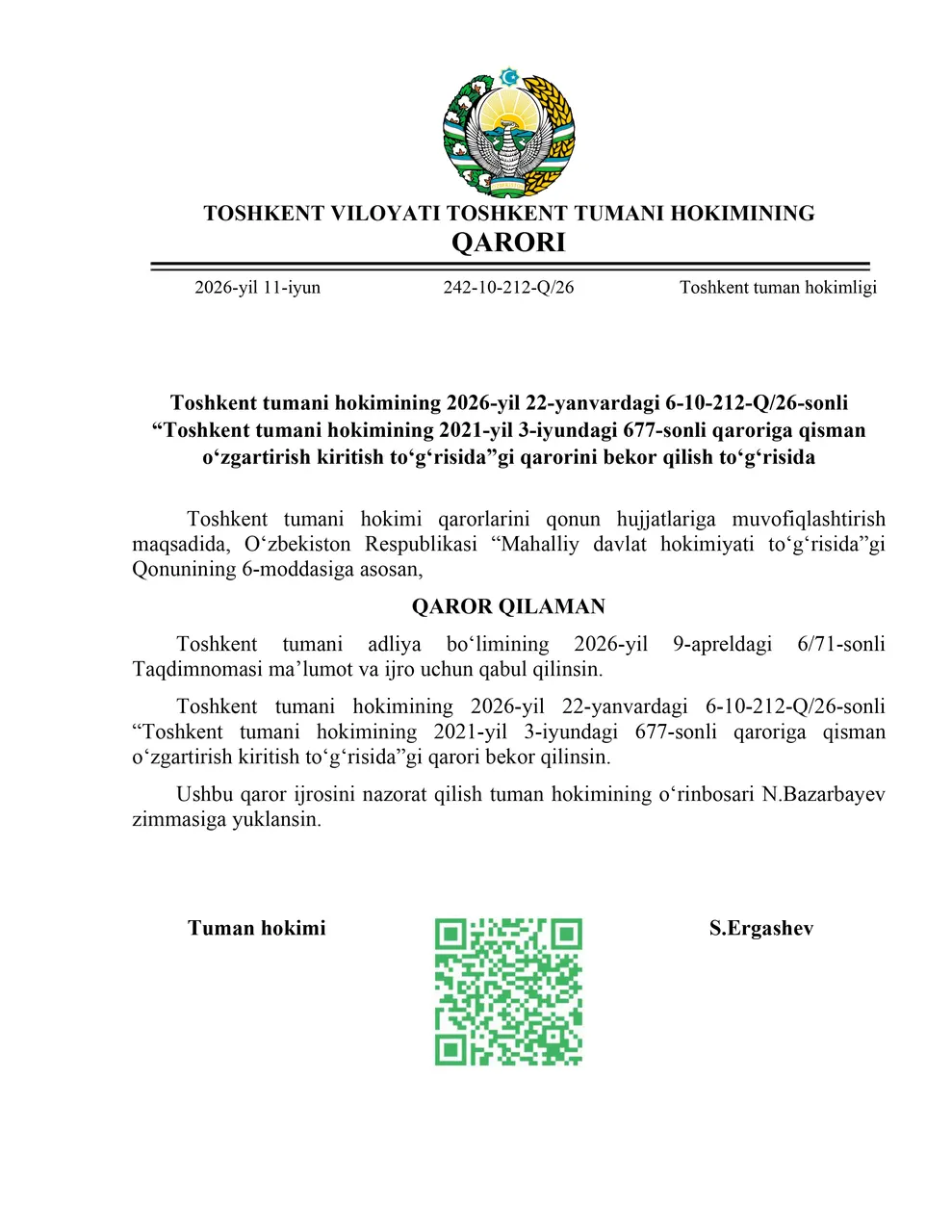
In the decision, the representation No. 6/71 of the Tashkent District Department of Justice dated April 9, 2026 was indicated as the basis for its adoption. And the court's private ruling was left aside. Thus, the khokimiyat abandoned the decision it had adopted on January 22. This situation itself raises a serious question from a journalistic point of view:
If the decision dated January 22 was in accordance with the law, why did the khokimiyat cancel it on the basis of the Justice department's representation?
If it was necessary to cancel the decision, why were the authority and legal grounds not sufficiently checked before adopting it?
The khokimiyat itself must give clear answers to these questions.
The khokimiyat's decision was later brought to court
After the January 22 decision was cancelled, "M.G.S" LLC disagreed with this cancellation decision and applied to the court. And this is where one of the most controversial points of this case arises.
The khokimiyat itself adopted the decision on January 22. The khokimiyat later cancelled it itself. Then, when this exact cancellation decision was contested in court, no representative from the khokimiyat participated in the court session. They remained silent and turned a blind eye to the situation.
That is, the state body that adopted the decision cancelled it, and then when the legality of cancelling the decision was contested in court, it did not actively defend its position. It is difficult to accept this situation as merely a physical circumstance. Because if a state body stands as a defendant in court, it was important to explain its legal position, the grounds for cancelling the decision, and the content of the Justice department's representation.
Why didn't the khokimiyat representative participate in the court? Why didn't the state body try to fully explain to the court the circumstances that caused it to cancel its own decision?
Why were the circumstances noted in the previous court's private ruling not reflected in the khokimiyat's legal position during the subsequent trial?
These questions remain open.
What did judge J. Boboyev see and what did he not see?
At the next stage, the matter went to court, and the case was considered by judge J.R. Boboyev. The court found the khokim's decision dated June 11 invalid. Here, we have the right to raise a legally critical question regarding the judge's decision.
Because the case judge Boboyev was reviewing was not a simple "cancellation of an administrative decision" case.
Behind it:
The khokim's decision dated January 22, 2026;
The Justice department's representation dated April 9, 2026;
The court's private ruling dated June 3, 2026;
Powers regarding land relations defined in Decree No. PF-6243;
The khokimiyat's subsequent legal assessment of its own decision
There were interrelated circumstances like these.
Most interestingly, the private ruling of June 3 existed before the case reviewed by judge Boboyev.
Therefore, there are two possibilities here.
Either the private ruling was not submitted to the materials of the subsequent court case. Or, if it was submitted, the court did not give a sufficient legal assessment of its content.
Which one was it? Boboyev knows this. Therefore, a serious question arises in both cases.
If the private ruling was not submitted to the court, why did the defendant — the khokimiyat — not fully present the legal history of its decision to the court?
If it was submitted, why did judge Boboyev not give a separate legal assessment to the circumstances related to PF-6243 noted in the court document of June 3?
After all, the court document of June 3 directly stated that the district khokimiyat is not authorized to determine, recognize, or change rights to a land plot. This is a legal point that cannot be ignored.
Did judge Boboyev interconnect the essence of the decision dated January 22, the authority of the body that adopted it, and the requirements of PF-6243?
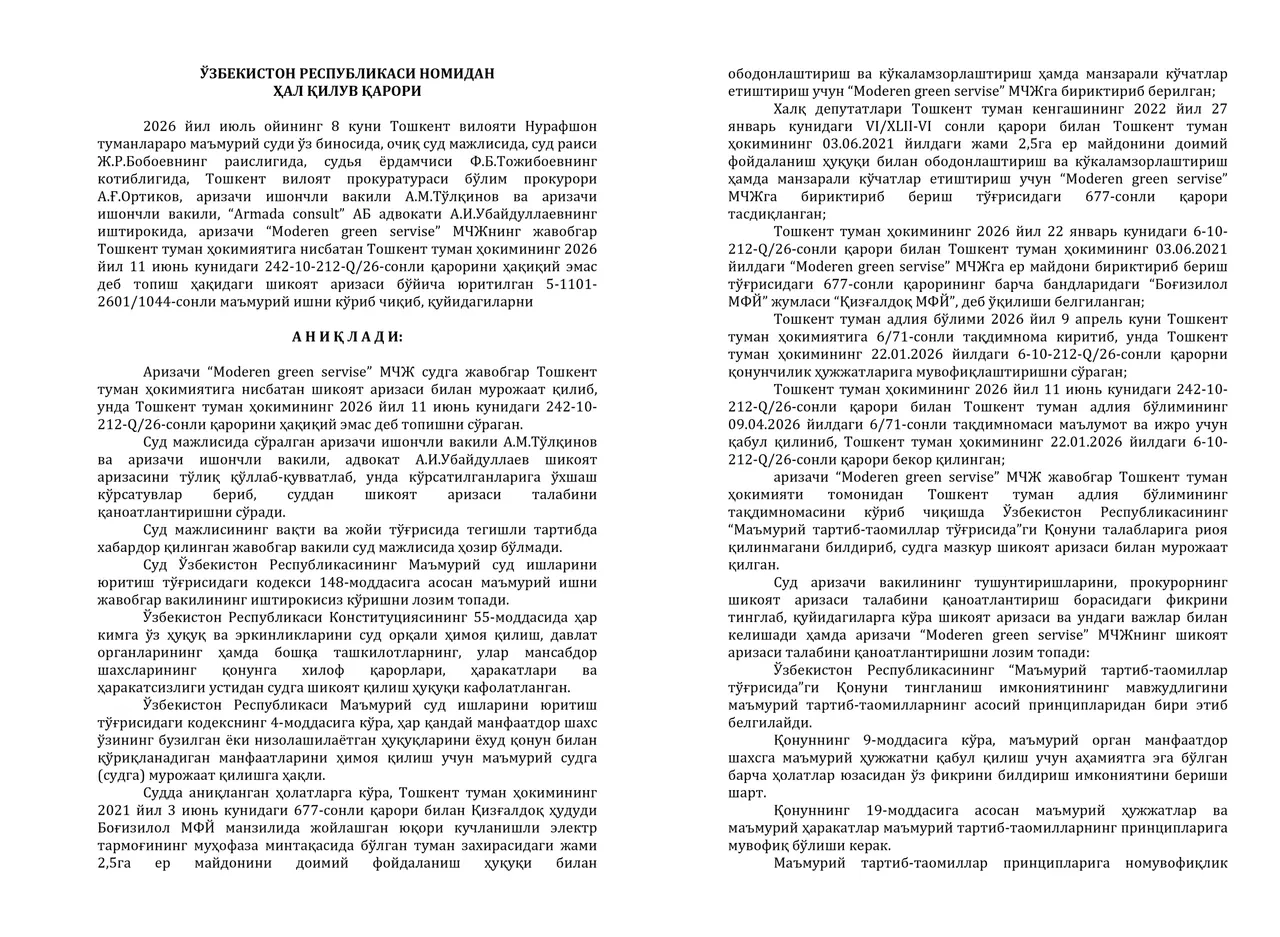
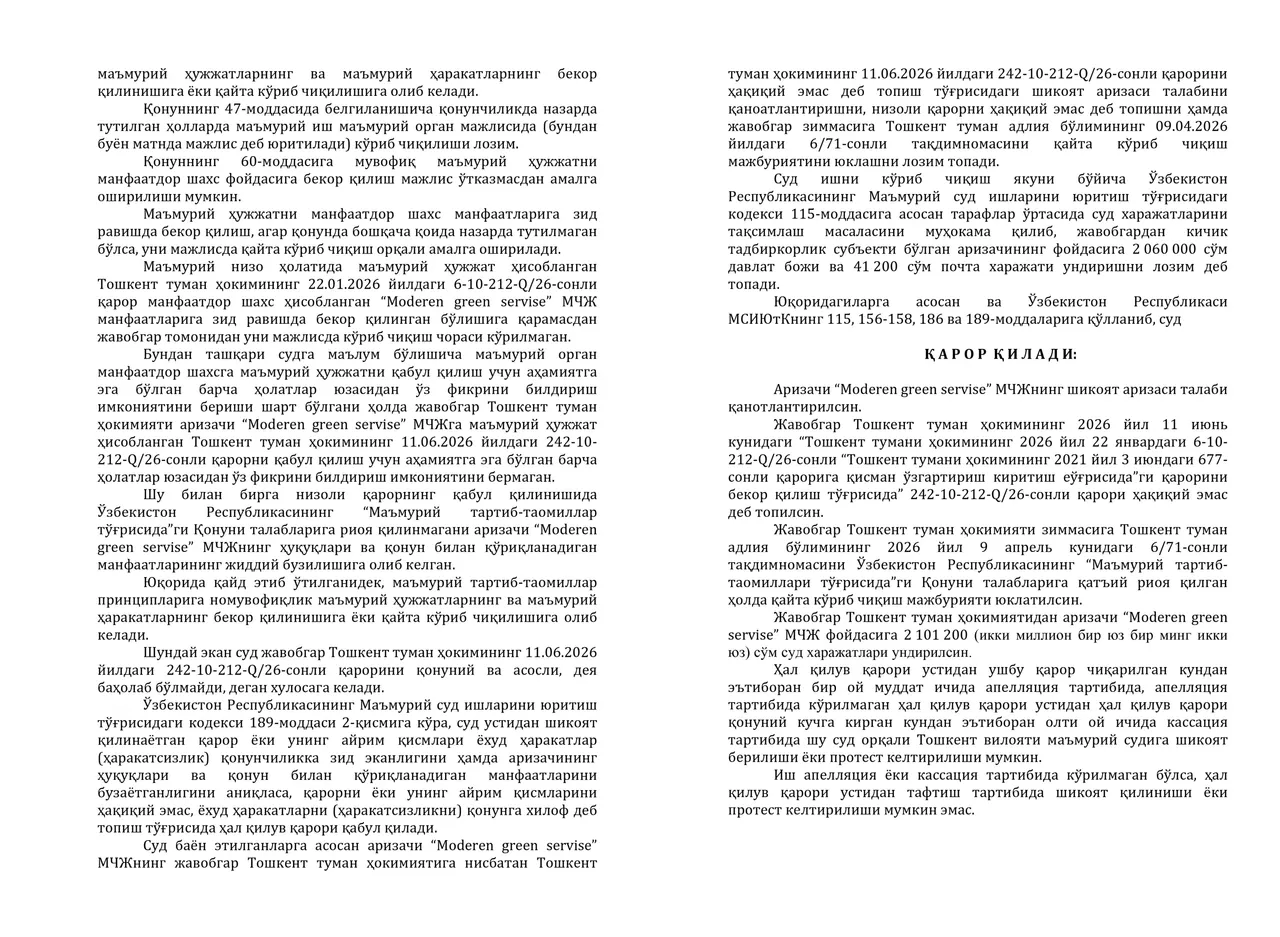
If he saw it, why was this issue not clearly and openly assessed legally in the court document?
If he didn't see it, why? In this case, we are far from declaring the judge guilty. But this is a serious journalistic question raised based on the court document and its legal assessments.
Where is the prosecutor's supervision?
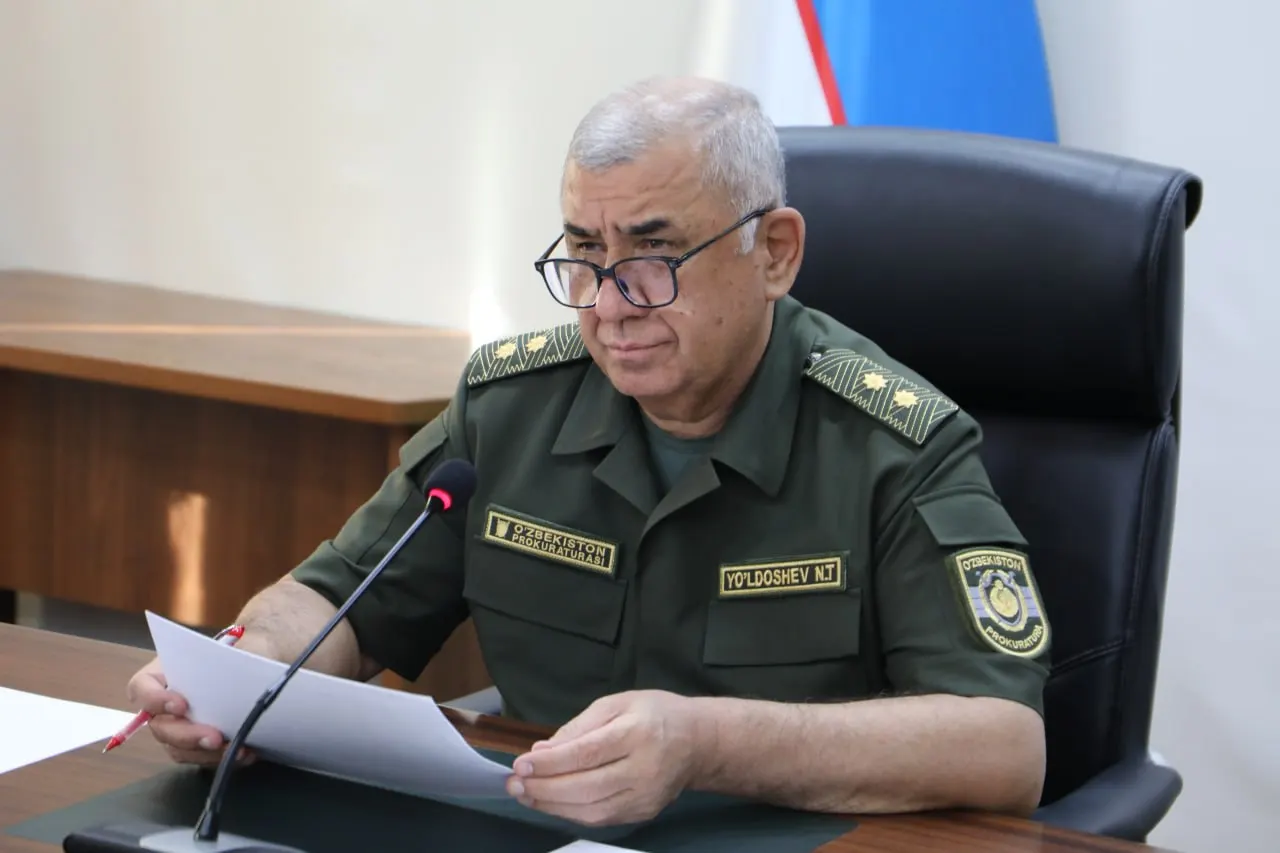
There is another very important aspect in this case. Decree No. PF-6243 sets the task of establishing strict prosecutorial supervision to effectively organize the activities of the Republican Council and regional councils, to prevent violations of the norms of land legislation, including cases of falsification of documents related to the allocation and seizure of land plots.
The responsibility for ensuring the inevitability of criminal liability for guilty persons in the decree is assigned to Prosecutor General Nigmatilla Yuldashev.
From this perspective, the question becomes even more serious:
If the court's private ruling recorded violations of the law by officials of the Tashkent district khokimiyat, what measures were taken on this case within the framework of prosecutorial supervision? Was A.G. Ortiqov, the prosecutor of the Tashkent region prosecutor's office who participated in the court, asleep?
Also, the private ruling itself assigned the khokimiyat the task of taking measures and informing the court about the result.
Therefore:
How did the strict prosecutorial supervision demanded by PF-6243 manifest itself in practice?
What legal assessment was given by the prosecutor's office regarding the private ruling?
What measures were taken on this case after violations of the law were discovered in the actions of the khokimiyat officials?
These questions must not remain unanswered, especially in an area with a high risk of corruption and abuse of office, such as land relations.
The most interesting part — two different legal attitudes to a single decision
Look at the chain of documents:
January 22, 2026 — the khokimiyat amended the 2021 decision based on the application of "M.G.S" LLC.
April 9, 2026 — Tashkent District Department of Justice introduced representation No. 6/71.
June 3, 2026 — Nurafshan Interdistrict Administrative Court issued a private ruling noting violations of the law by khokimiyat officials.
June 11, 2026 — the khokimiyat cancelled the January 22 decision based on the Justice department's representation.
After that — "M.G.S" LLC applied to the court.
Subsequent court — the khokimiyat's cancellation decision dated June 11 was found invalid.
Thus, two different legal positions arose regarding the fate of one decision:
the khokimiyat: said "the decision must be cancelled";
"M.G.S" LLC: said "cancellation is not legal";
court: found the khokimiyat's cancellation decision invalid.
However, the previous court's private ruling noted the issue of the khokimiyat's authority related to the adoption of the January 22 decision as a serious problem from the perspective of PF-6243.
Therefore, the most important question of the case remains unanswered:
Did the khokimiyat itself have the legal authority to adopt the decision on January 22?
There are 5 unanswered questions left in this case...
First. If the khokimiyat's authority to change land rights was terminated from August 1, 2021 by PF-6243, on the basis of what legal authority was the decision of January 22, 2026 adopted?
Second. Why did the khokimiyat subsequently cancel its own decision of January 22 based on the Justice department's representation?
Third. Why did the khokimiyat not participate in the court session with a representative when the legality of this cancellation decision was contested in court?
Fourth. Was the private ruling of June 3 submitted to the materials of the subsequent court case? If submitted, why were the circumstances related to PF-6243 noted in it not legally assessed? If not submitted, why did the defendant khokimiyat not fully present the legal history of the case to the court? Why did it refuse to come to court and remain silent. Whose interests did the khokimiyat protect, its own or...
Fifth. How was the strict prosecutorial supervision entrusted to Prosecutor General Nigmatilla Yuldashev by PF-6243 implemented in this case?
It's not just about 2.5 hectares
Viewing this case solely as a "land dispute between 'M.G.S' LLC and the khokimiyat" leaves an important part of the matter out.
Because these documents raise questions about to what extent the boundaries of authority were observed when the state body made the decision, why the decision was subsequently cancelled, how the state body defended its position in court, and how the circumstances noted in previous court documents were evaluated in the subsequent trial.
At the same time, these documents alone are not sufficient grounds to call "M.G.S" LLC a lawbreaker. Similarly, it is impossible to accuse judge J.R. Boboyev or certain khokimiyat officials of crime or corruption. Only an appropriate legal conclusion by an authorized body can determine this. Meaning, the PROSECUTOR'S OFFICE.
But the task of journalism is not to hide the contradictions visible in documents, but to question them.
EFFECT.UZ editorial board will continue to appeal to the regional khokimiyat, Tashkent district khokimiyat, Department of Justice, Nurafshan Interdistrict Administrative Court, and prosecutor's offices to get answers to these questions.
Because here it is not just about 2.5 hectares of land. It is about the legal basis of a state decision, the illegal action of an official, defense in court, and most importantly, the rule of law. Most regrettably, the khokimiyat's action contrary to the Presidential Decree and how responsibly the relevant agency (prosecutor's office) approached the case.