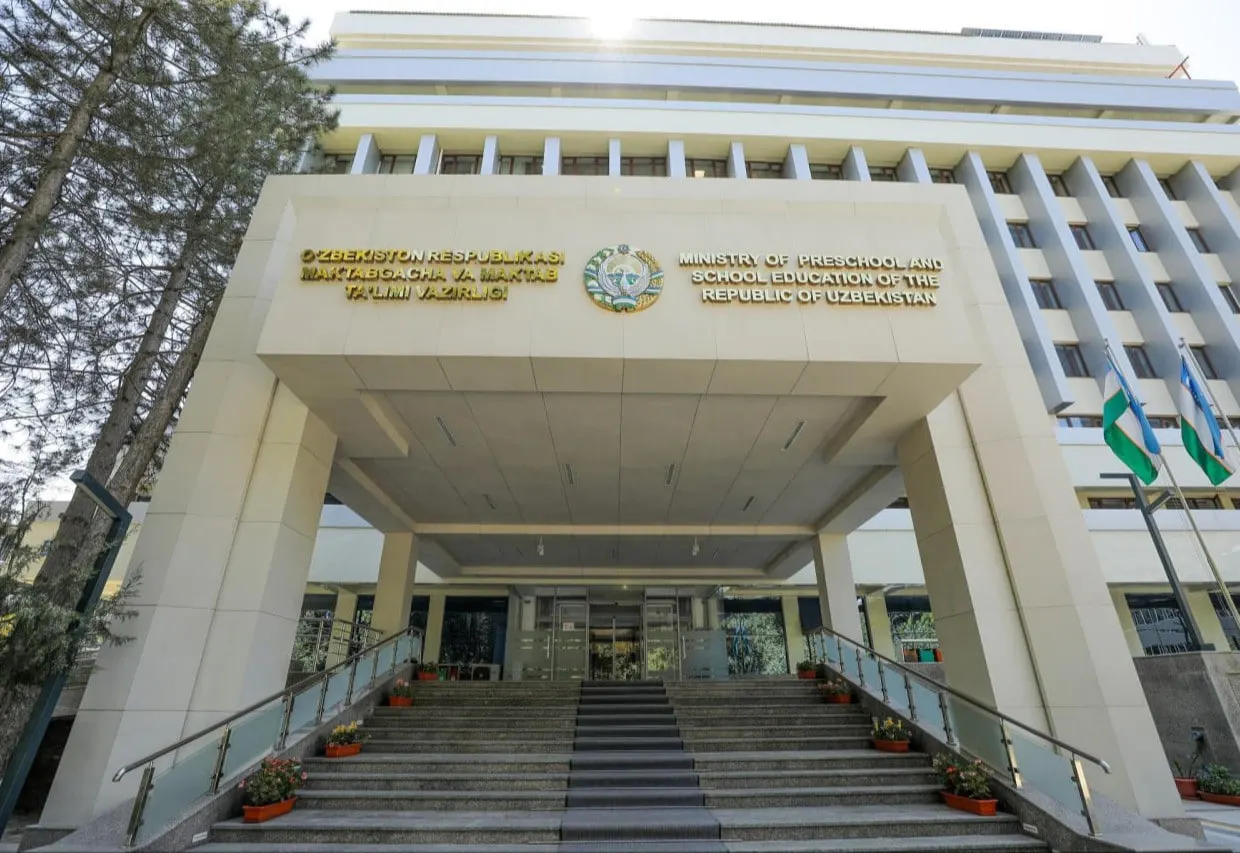
A number of pedagogical employees of skills development centers were dismissed as a result of certification. This was based on the Regulation approved by order No. 336 of the Minister of Preschool and School Education dated October 17, 2024, which was not passed through state registration and was not officially published. We have been litigating this situation for two years. However, not a single court examined the legality of the Regulation on its merits.
Therefore, we applied to the Constitutional Court. In this article, I will explain how this situation arose and why it is not just an individual citizen's private case.
Two directions, one result
We brought the Regulation to court through two paths. In the civil case, we asked for reinstatement at work, and in the administrative case, we asked to recognize the Regulation as invalid. In both ways, all instances gave a refusal response.
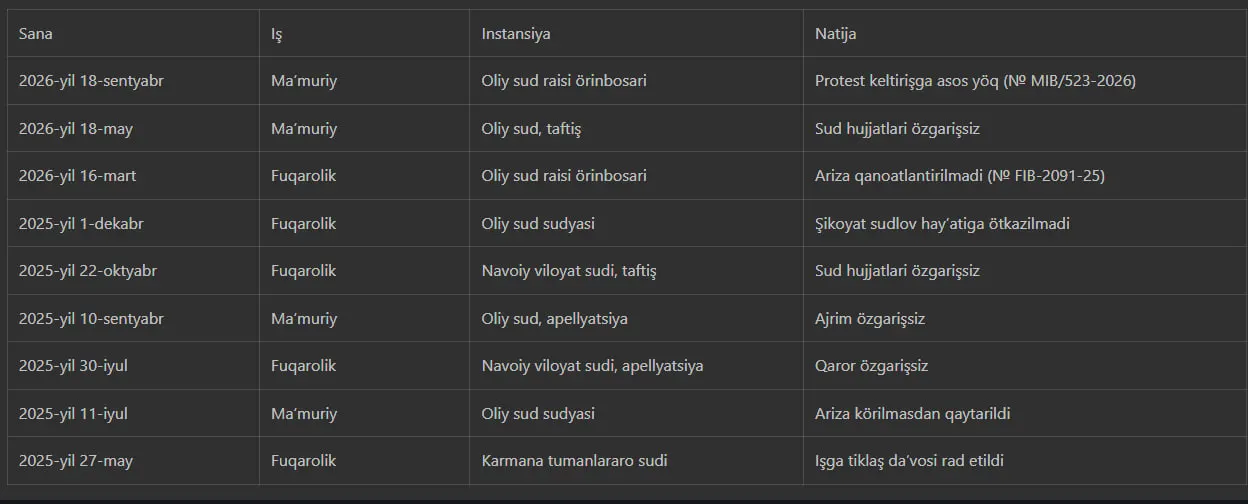
Thus, all means of protection in court for both cases have been exhausted.
Analysis: How the vicious circle was formed
The essence of the problem is that two different courts gave two different assessments to the same document. The civil courts accepted the Regulation as a legal basis for dismissal. The administrative court refused to examine it, calling it a "non-normative document".
The Regulation is a generally binding document. It determines the evaluation procedure, criteria, and consequences for teachers of skills development centers throughout the republic. Such a document is not of a "personal nature" or a "one-time applicable" document. According to Article 17 of the Law "On Regulatory Legal Acts", the regulation regulates social relations.
The Supreme Court recognized the criterion, but did not draw conclusions. In the response dated September 18, 2026, it was recognized that a document concerning the rights of citizens does not enter into force if it does not pass state registration (requirement of decision No. 469). The Regulation directly affected the labor rights of teaching staff. Logically, since it did not pass registration, it has no legal force and cannot serve as a basis for dismissal.
The violation of the law became the basis for non-protection. The Ministry's failure to register the Regulation is the very violation of the law I am complaining about. And the court cited this exact situation as a reason not to examine the document. As a result, the document is both applied and remains outside of judicial control.
No other path of protection was indicated either. If the Regulation were truly an individual act, it could be reviewed in a simple administrative procedure. However, the court did not indicate this path either.
Uncertainty was interpreted to the detriment of the person. According to Article 18 of the Law, any conflict between a person and a state body is interpreted in favor of the person. In my case, every time it was the opposite.
What did I ask from the Constitutional Court?
A constitutional complaint is filed only against the law applied in a specific case. Therefore, I did not challenge the Regulation itself, but the meaning given in practice to the norms of the law applied by the courts.
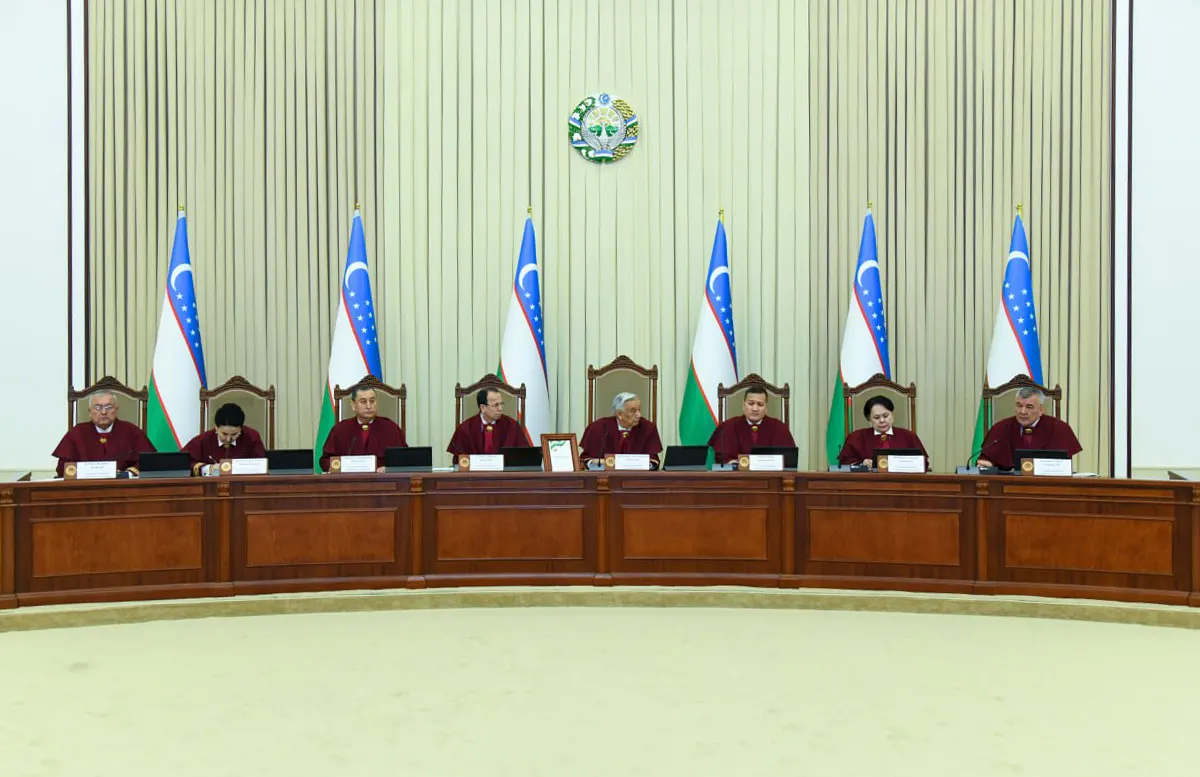
Articles 27 and 30 of the Code of Administrative Procedure. In practice, they are interpreted as follows: if the ministry does not register a document, it cannot be challenged in court. In my opinion, this contradicts the right to judicial protection in Article 55 of the Constitution and equality before the law in Article 19. Judicial protection should not depend on whether the state body fulfilled its obligation or not.
Article 161 of the Labor Code. In practice, it is interpreted that an employee's unsuitability for a position can be determined by an assessment based on an unpublished document. In my opinion, this contradicts the right to work in Article 42 of the Constitution. Official publication of a document concerning citizen rights is a mandatory condition for its application. This requirement is also highlighted in decision No. 16 of the Plenum of the Supreme Court dated June 23, 2023.
The appeal asks to find these two interpretations inconsistent with the Constitution. It also asks to clarify the constitutional meaning of the norms and to indicate the need to review the issued court documents.
Conclusion: This is not just one citizen's case
If the ministry applies a document without registering it and for this reason it is not examined in court, any agency can evade judicial control in this way. This Regulation applies to teachers of skills development centers throughout the republic.
The decision of the Constitutional Court will not only determine the fate of one teacher. It will also clarify which court and in what procedure a citizen can complain against a departmental document. In a state governed by the rule of law, there should be no document that the court does not examine.
Lawyer: Mavlyanov Shavkat