A history spanning nearly 20 years: shops built upon the authorities' instructions, rents and taxes paid over the years, the 2012 decree, subsequent state asset status, and now, Appendix 6 of PF-177. Unanswered questions are multiplying among the documents.
At one time, entrepreneurs were invited to build shops in order to supply cheap agricultural products to the local neighborhood residents.
Entrepreneurs built them, operated them for years, and paid taxes. They paid rent and served the population; at times, they even sold products cheaper than market prices upon the authorities' instructions.
Today, however, they are being told something else:
«These facilities are state property. They will be privatized and put up for auction».
This raises a natural question:
If entrepreneurs built these shops with their own funds, how did they become state property? And why should an entrepreneur have to buy back a facility they built themselves at an auction?
THE STORY BEGAN IN 2006
In a joint appeal sent by entrepreneurs to the State Assets Management Agency, the beginning of the events dates back to 2006. According to their statements, during that period, the task was set to organize retail outlets on the principle of "field-shops" for the permanent sale of agricultural products in densely populated residential neighborhoods.
On February 24, 2006, Tashkent City Khokimiyat adopted Decision No. 79.
Following this, district khokimiyats and neighborhood officials invited entrepreneurs to construct retail outlets and bakeries at their own expense.
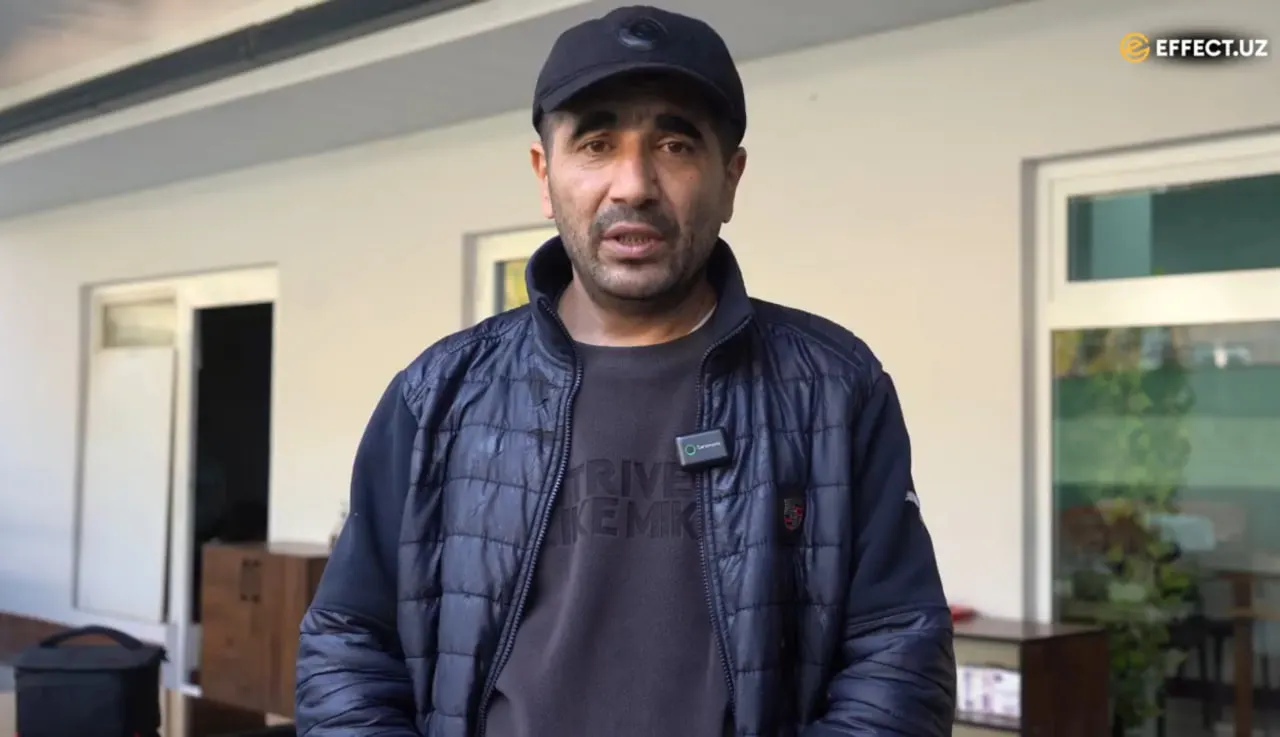
Entrepreneurs agreed to this condition. According to their appeal, the shops were built in locations designated by the khokimiyat, under the supervision of khokimiyat representatives and heads of the Agroinvest LLC. At that time, they were promised that the documents for the facilities would be formalized, cadastral registration would be done, and ownership rights would be granted.
In other words, the entrepreneurs' position is as follows:
«We did not build these shops arbitrarily. The khokimiyat designated the location, the khokimiyat invited us to build, and then promised to formalize them for us».
Whether there are documents confirming this claim must be investigated separately.
ENTREPRENEURS DID NOT JUST BUILD SHOPS
Another important circumstance is noted in the documents. Entrepreneurs state that they also fulfilled duties such as supplying cheap agricultural products to neighborhood residents, purchasing produce directly from farmers, and forming seasonal food reserves.
They claim that in some cases, khokimiyat representatives instructed them to sell products at prices lower than market rates, and entrepreneurs fulfilled these instructions even at the cost of incurring losses. At the same time, they stated that they paid taxes and other mandatory payments throughout their entire activity.
This brings up the economic aspect of the issue:
If an entrepreneur has fulfilled their obligations to the state and society over the years, maintained the facility, and used it for entrepreneurial activities, how should their current legal status be evaluated?
2012: SHOPS ARE "TEMPORARILY" TRANSFERRED TO THE NEIGHBORHOOD
The most important turning point in the entrepreneurs' story occurs in 2012. On May 18, 2012, Decision No. 424 of the Tashkent City Khokim was adopted. In the entrepreneurs' appeals, it is stated that in accordance with paragraph 2 of this decision, buildings and structures whose documents had not been formalized were transferred to the Mahalla Charitable Foundation temporarily, without the right of disposal, until a final decision is made by the courts. A very important legal question arises here.
If, as the entrepreneurs say, the facilities were temporarily transferred "until the final decision of the court", then on the basis of which document did this temporary status later transform into permanent state property status?
Even more importantly:
Were there final court decisions regarding these facilities?
In their appeals, entrepreneurs state that no such decisions exist, and the facilities were not deemed ownerless or illegal constructions by the court.
This is, of course, the entrepreneurs' position. Therefore, to confirm or refute this situation, the original copy of Decision No. 424, cadastral documents, and subsequent legal actions regarding each facility must be studied.
STRANGEST OF ALL: THE ENTREPRENEUR BECAME A TENANT IN THE SHOP THEY BUILT
After 2012, the situation took an even more interesting turn. According to the entrepreneurs, after the shops were transferred to the balance of the Mahalla Foundation, they began working as tenants in the very facilities they had built. That is:
construction — belongs to the entrepreneur;
labor — belongs to the entrepreneur;
tax — belongs to the entrepreneur;
rent payment — from the entrepreneur;
but the cadastre — is in the name of the Mahalla Foundation.
Entrepreneurs state that they were forced to endure this arrangement for years. This situation itself is a serious enough question for journalistic investigation:
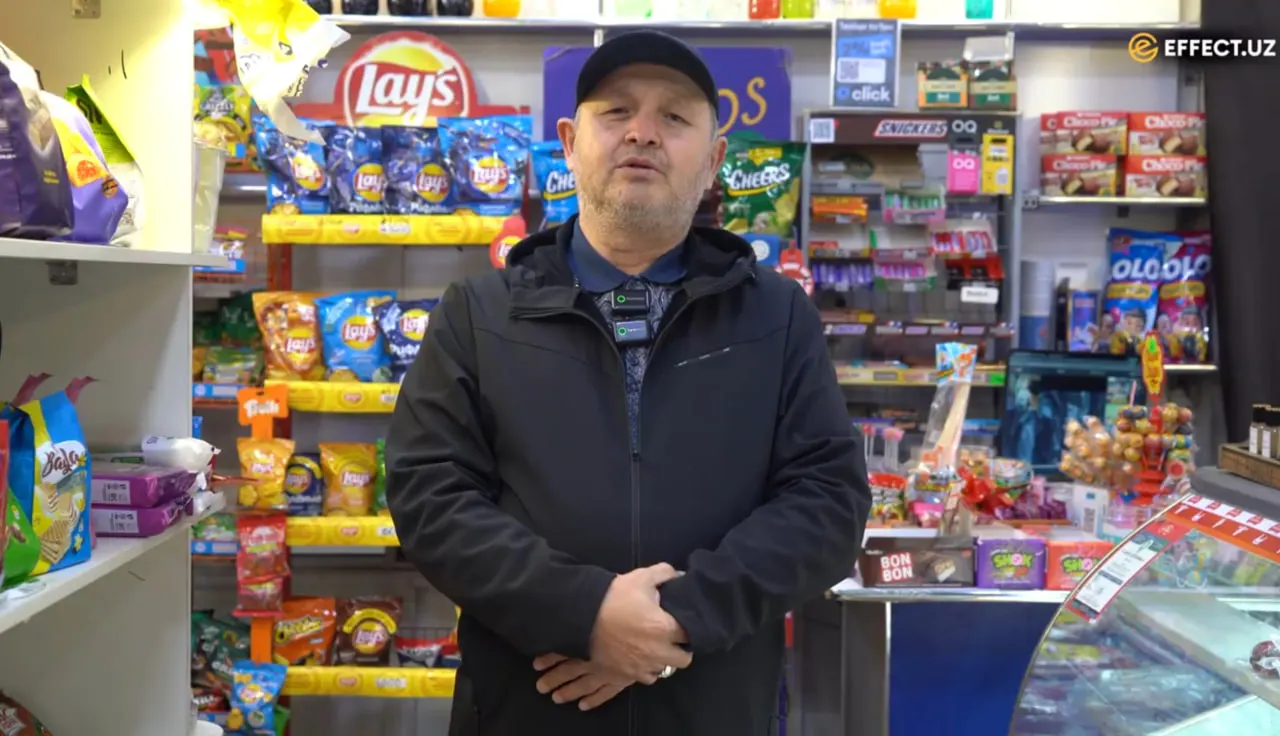
For what reason did the person who bore the construction costs of a facility built with their own funds subsequently turn into a tenant in that facility?
ANOTHER STAGE IN 2022–2023
According to the entrepreneurs' documents, in 2022–2023, the shops were transferred from the Mahalla Foundation to the State Assets Management Agency. Entrepreneurs concluded tripartite lease agreements and continued to pay the established rent.
When the issue of putting the facilities up for auction was raised in 2023, entrepreneurs objected. Following this, according to them, the facilities were returned to the Mahalla Foundation once again, and lease relations continued.
Thus, the legal history of these facilities has gone through several stages:
built by the entrepreneur → transferred to Mahalla → entrepreneur became a tenant → transferred to State Assets → auction issue raised → returned to Mahalla again → lease relations continued again. And now — a new stage.
PF-177: THE MOST CRITICAL POINT OF THE ISSUE
On August 28, 2026, the Presidential Decree No. PF-177 "On additional measures to reduce state participation in the economy and accelerate privatization processes" was adopted.
It is precisely this document that has become the main legal point of today's dispute regarding neighborhood shops. But there is an important clarification here.
The norm directly serving as the basis for including neighborhood facilities in privatization is not paragraph 6 of PF-177.
State real estate objects attached to non-governmental non-profit organizations with the right of operational management or free use and to be privatized in 2026–2027 are approved in accordance with Appendix 6 under subparagraph "z" of paragraph 2 of the Decree.
And this very Appendix 6 is becoming the most crucial document regarding neighborhood shops.
HOW MANY FACILITIES ARE THERE IN TASHKENT ACCORDING TO APPENDIX 6?
The issue here is not about a couple of shops. Appendix 6 of PF-177 lists 97 facilities in Tashkent city.
Among them are:
— retail shops;
— bakeries;
— teahouses;
— barbershops;
— neighborhood squares (guzares);
— auxiliary buildings;
— warehouses;
— other non-residential facilities.
For example, Appendix 6 notes a 150-square-meter retail shop in Fayzobod neighborhood of Mirobod district, a number of retail shops and bakeries in Chilanzar, numerous trade and service facilities in Uchtepa, as well as facilities in Yakkasaray, Olmazor, Yunusabad, Bektemir, and other districts.
In other words, this is a large-scale privatization list.
BUT WHAT DOES APPENDIX 6 ACTUALLY DEFINE?
The title of Appendix 6:
«List of state real estate objects attached to non-governmental non-profit organizations with the right of operational management or free use and to be privatized in 2026–2027». Thus, the document classifies the objects as state real estate.
The State Assets Agency's response letter dated November 11 cites this exact basis: state real estate objects attached to the Mahalla Charitable Public Foundation with the right of operational management or free use have been included in the list of objects to be privatized in 2026–2027.
On this basis, the Agency stated that state property can, as a rule, be realized through public sales, including "E-auksion". But there is another important question here:
Does the inclusion of a facility in Appendix 6 automatically nullify its previous legal history?
Or before inclusion in Appendix 6, should each facility be separately investigated regarding:
— who built it;
— on what basis it was built;
— who spent funds;
— on the basis of which document it was cadastred;
— how many years it was rented;
— whether the lease right was registered;
— what investment was made by the entrepreneur;
— previous contracts;
— existing disputes;
— court decisions;
— potential preferential rights of the entrepreneur?
This very question remains unanswered right now.
ANOTHER IMPORTANT NORM — PARAGRAPH 6 OF PF-177
If we look at paragraph 6 itself, its subparagraph "b" stipulates that when state real estate objects are privatized, existing rights to the land plots attached to them prior to privatization — lifelong inheritable possession, permanent use, and lease rights — shall be retained for the subjects who acquired them through privatization.
It is also indicated that re-concluding land lease agreements is not required. This norm is also noteworthy regarding neighborhood shops. Because the building of a shop and the land where it is located are not legally identical concepts.
For this reason:
the fact that a building can be privatized as state property does not eliminate the necessity to also investigate the separate legal history of the land and the right to use it.
On this issue, entrepreneurs have also stated that they are ready to purchase the land plot at state valuation or take it on a long-term lease.
DOES PF-177 ITSELF CANCEL THE QUESTIONS PRIOR TO PUTTING UP FOR AUCTION?
We cannot reach such a conclusion yet. Because the Decree is aimed at accelerating the process of privatizing state property. It sets goals to put up for sale 1,242 real estate objects and 8 thousand hectares of land plots belonging to the state and enterprises with state participation in 2026.
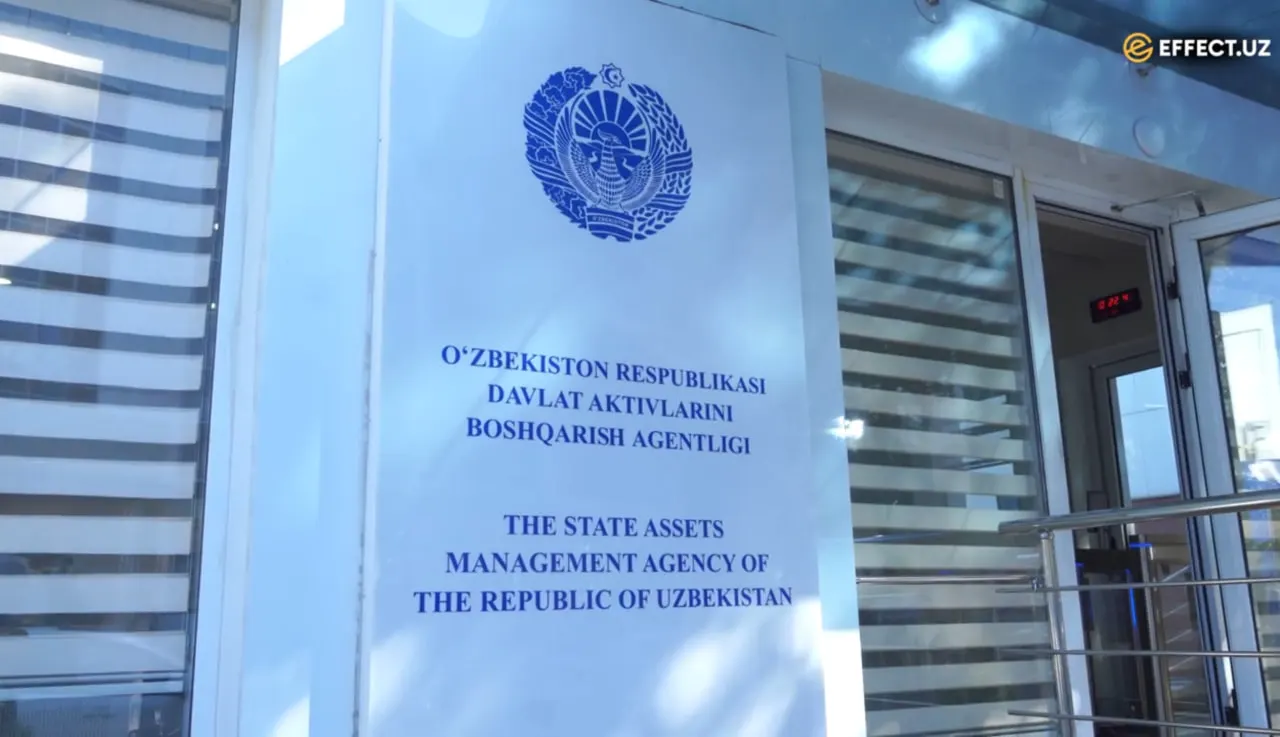
However, paragraph 10 of the Decree designates Tashkent city, district, and city khokims as responsible for selling the objects put up for public sales in accordance with Appendices 6–9. Therefore, from a journalistic perspective, the most important question is:
Did the responsible bodies check the legal history of each of the 97 objects before including them in the list?
If they checked, where is the result? If entrepreneurs have documents that they built it with their own funds — were those studied?
If the objects were temporarily given to "Mahalla" according to Decision No. 424 of 2012 — by which document did their status change in the subsequent stage?
If there were no final court decisions — what was the legal basis for formalizing the objects as state property?
WHAT ABOUT THE ENTREPRENEUR'S LEASE AGREEMENT?
Another important issue is the claims that lease agreements with some entrepreneurs were terminated in September 2026.
In their appeals, entrepreneurs stated that according to clause 1.5 of the contract, the contract can be terminated only if the property is privatized on the basis of a decision by the relevant agency or court. They emphasize that at that time, the objects had not yet been privatized. This situation also requires separate legal expertise.
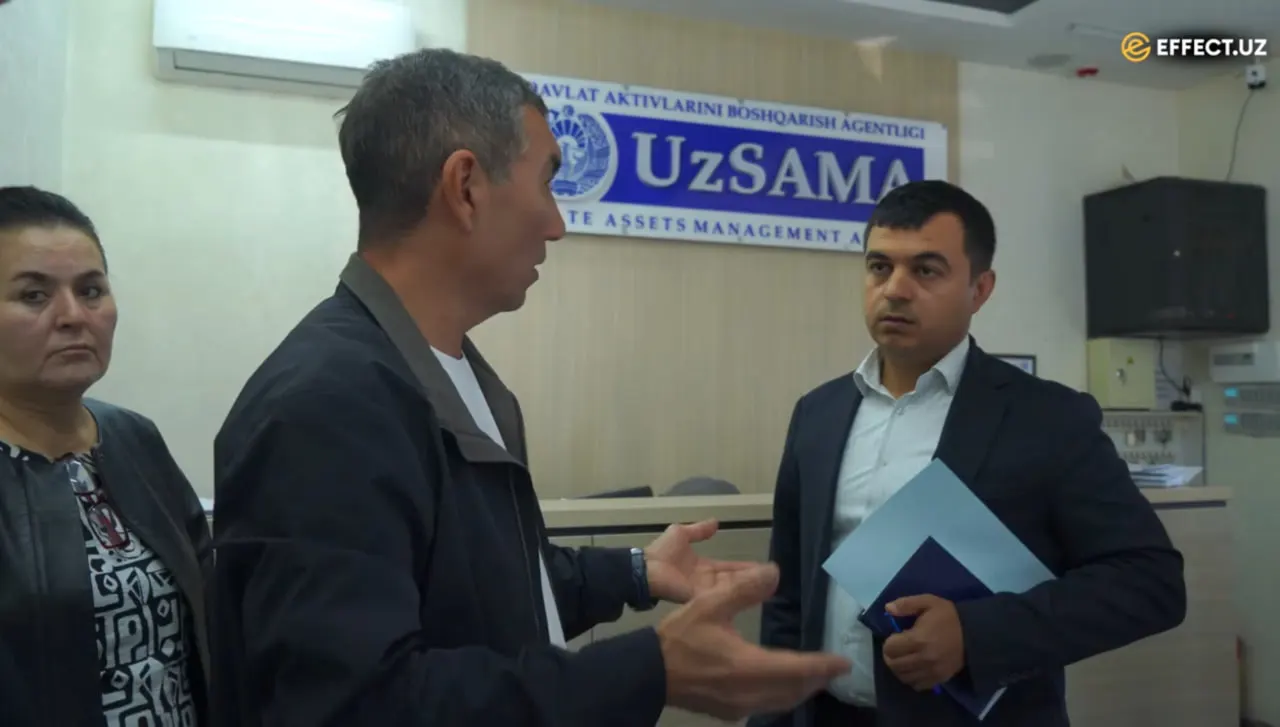
Because: an object included in PF-177 does not mean it is already a privatized object. The Decree includes it in the list of state real estate objects to be privatized in 2026–2027. Appendix 6 itself defines the list of objects "to be privatized".
Thus, the concepts of "included in the list" and "already privatized" should not be confused. This raises yet another question regarding the grounds for terminating lease agreements.
WHY IS THE COURT CASE IN FERGANA IMPORTANT?
The Supreme Court decision from Fergana region that we have is not a case regarding neighborhood shops in Tashkent. This is a separate case. However, it indicates which circumstances must be paid attention to when evaluating the legal status of an entrepreneur who has used state property on a lease basis for many years.

The court emphasized the necessity to evaluate lease relations not only from the final contract, but also from the period when previous contracts started, whether the lease right was registered, whether the object was actually used continuously, and other circumstances.
Also, the funds spent by the lessee on major repairs, modernization, and landscaping of the object were regarded as significant circumstances for the case.
Once again: This decision does not automatically apply to the shops in Tashkent. But it shows us one thing:
before putting state property up for auction, its long-term legal history and the rights of the persons who have used it should not be left ignored.
97 OBJECTS — 97 SEPARATE HISTORIES
How correct is it to evaluate the 97 Tashkent objects in Appendix 6 of PF-177 under one general concept of "state property"?
Because the objects in the list itself are diverse. One is a teahouse, bakery, retail shop, barbershop, warehouse, neighborhood square (guzar), auxiliary building. The history, construction basis, procedure of use, and legal documents of each of them may be different. Therefore, one of the main requirements of journalistic investigation is this: moving from a general list to an individual object.
That is, for each shop:
1. The document serving as the basis for construction in 2006;
2. Land allocation document;
3. Construction permit;
4. Initial balance sheet;
5. Cadastral document;
6. Actions based on Decision No. 424 of 2012;
7. Contract concluded with "Mahalla";
8. Subsequent lease agreements;
9. Document on transfer to State Assets;
10. The basis for inclusion in Appendix 6 of PF-177 must be compared one by one.
WHAT ARE THE ENTREPRENEURS ASKING FOR?
It does not appear in the appeals that entrepreneurs are demanding to receive state property for free.
On the contrary, they are asking for their many years of labor and investment to be taken into account, and for an opportunity to be created to formalize the shops in their own name or purchase them on preferential terms.
Some appeals state that they are ready to pay the land value at state valuation, but lack the opportunity to compete with large funds at an auction.
Another concern of theirs is that if someone else buys the shops, current entrepreneurs will lose their jobs. This is not just a matter of property.
This is also a matter of entrepreneurship, employment, and the services provided to neighborhood residents.
EFFECT.UZʼS 12 MOST IMPORTANT QUESTIONS OF INTEREST
Based on these documents, we address the following questions to the officials:
1. Who covered the construction costs of the shops that entrepreneurs were invited to build at their own expense in 2006?
2. Do state agencies have documents confirming that entrepreneurs built these objects?
3. If the objects were built using the entrepreneurs' funds, on what legal basis were they formalized as state property?
4. By which document was the legal status of temporarily transferring the objects to the Mahalla Foundation based on paragraph 2 of Decision No. 424 of 2012 subsequently changed?
5. Are there final court decisions regarding these objects?
6. How were the rights and obligations in the lease agreements concluded with entrepreneurs over the years evaluated?
7. Were the funds invested by entrepreneurs into the objects, repair, and modernization costs taken into account?
8. What is the exact legal basis for terminating lease agreements in 2026?
9. Was the legal history of each object checked before inclusion in Appendix 6 of PF-177?
10. Are there such inspection acts for each of the 97 objects in Tashkent city?
11. If an entrepreneur has long-term lease rights and other legal interests, in what manner will they be taken into account before putting them up for auction?
12. Will the state consider the issue of giving the entrepreneur the opportunity to purchase the facility they built themselves on a preferential basis before putting it up for auction?
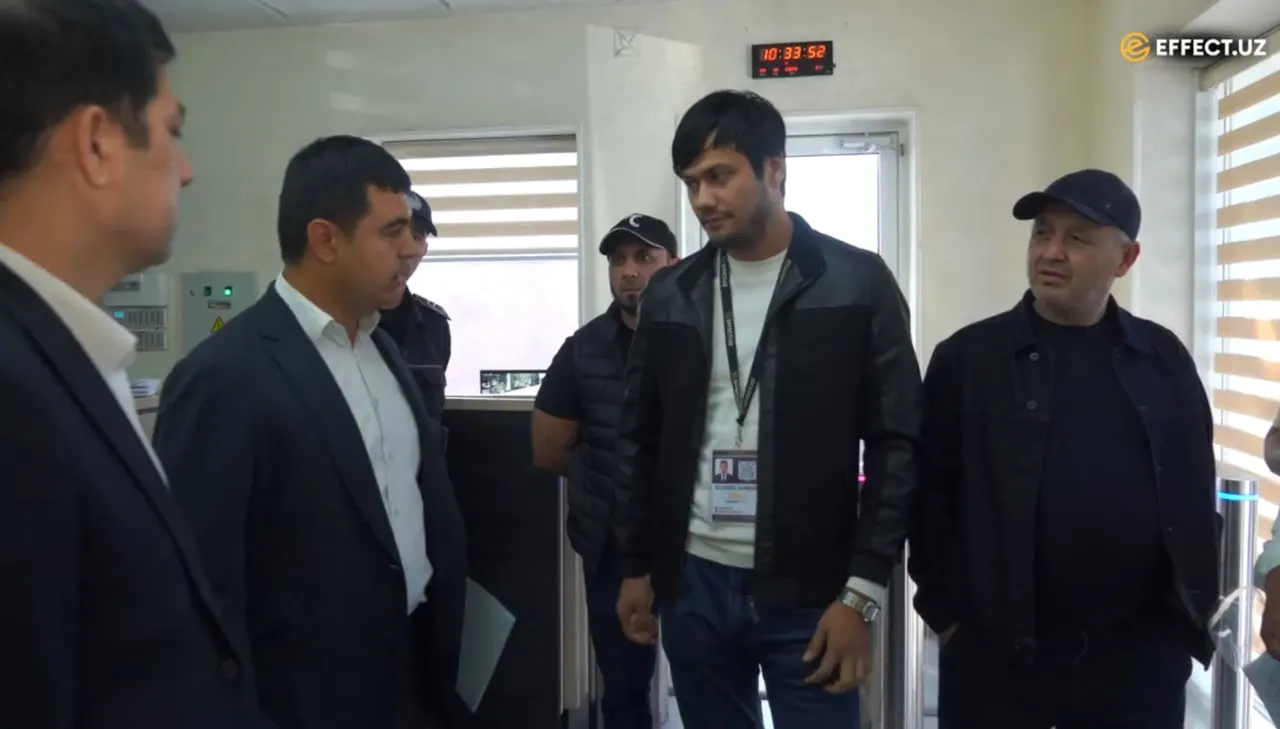
CONCLUSION: THIS IS NOT ABOUT OPPOSITION TO THE DECREE
One thing must be clearly distinguished here. The entrepreneurs' objection is not opposition to PF-177 itself. Privatizing state property is state policy. Auctions are a mechanism established in legislation.
And PF-177 is aimed at accelerating the process of reducing state participation and privatization.
However, every state asset has its own history. And regarding neighborhood shops, there are documents stating that this history begins not in 2026, but in 2006.
In this history, there are the entrepreneurs' funds. There is their labor and tax payments. There are lease agreements, services provided to neighborhood residents. The 2012 decree. Repeatedly concluded contracts in subsequent years, and finally, Appendix 6 of PF-177.
Therefore, today's most important question is:
Do all 97 objects included in PF-177 really have the same legal history?
If not, shouldn't each of them be studied separately?
Because the inscription "state property" may indicate the current status of the object. But it does not automatically erase the history of how that object came to acquire this status.
And entrepreneurs are asking to study this very history. Will an entrepreneur buy back a shop they built themselves at an auction?
Or will the state find another solution, also taking into account their years of investment, labor, and legal interests?
EFFECT.UZ will continue to obtain precise legal explanations from responsible organizations on this issue and study the documents of each object individually.