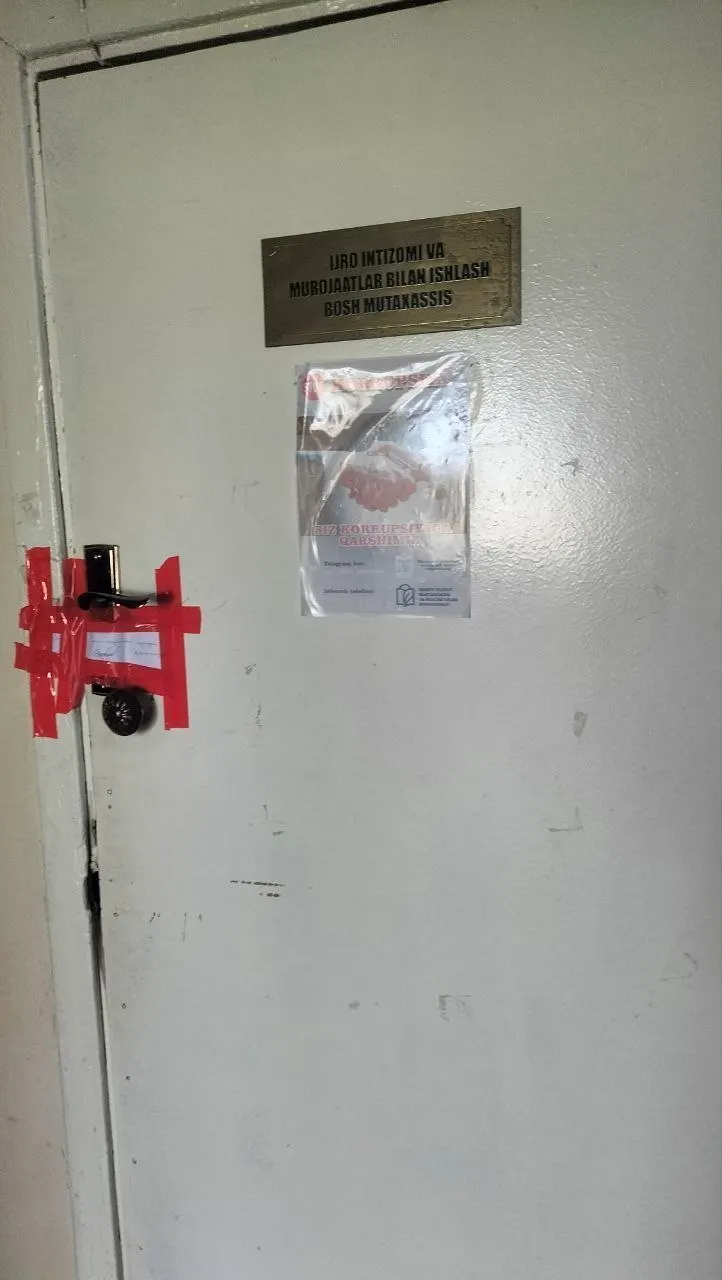
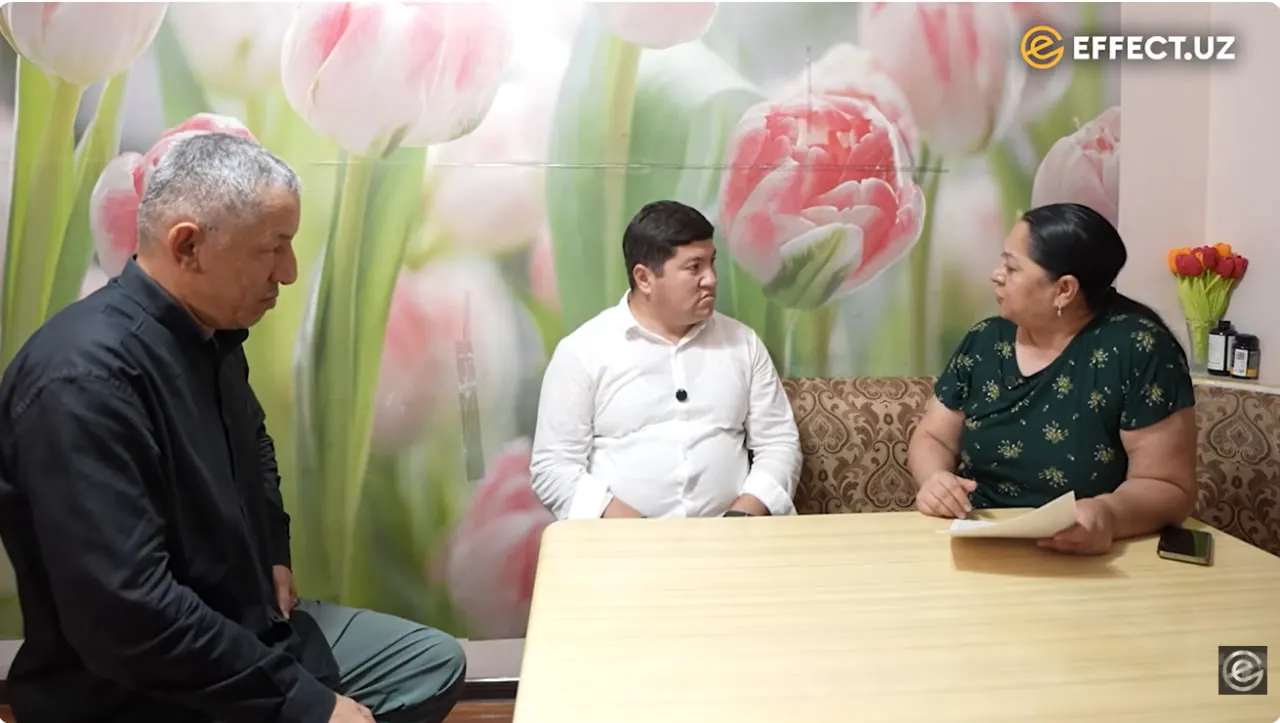
A citizen whose property in the city of Andijan underwent reconstruction in 2019 has been fighting to restore their rights for 7 years. According to the entrepreneurial citizen, they owned two properties purchased in 1997 and 2001, each room with an area of approximately 44 square meters, which were used as a photo studio.
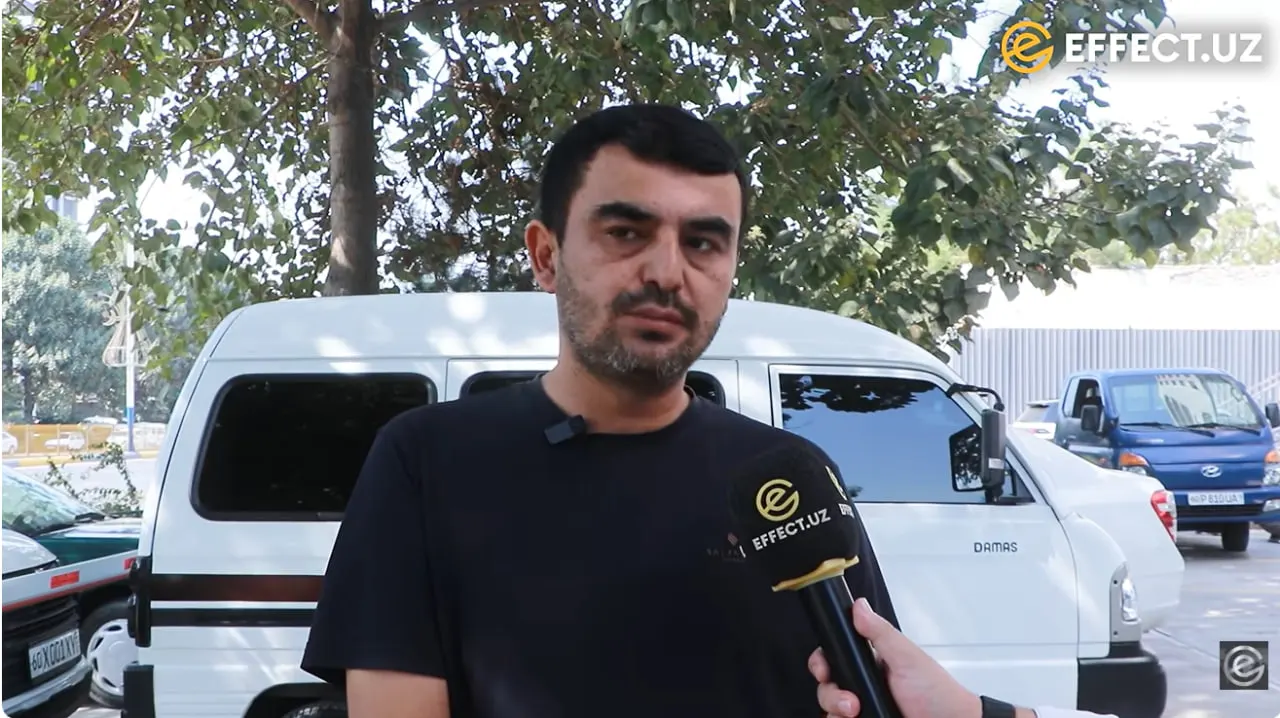
“I purchased two 1-room spaces (44 sq.m each) in 1997 and 2001, paid taxes until 2019, and conducted business activities by running a photo studio,” — says the complaining entrepreneur.
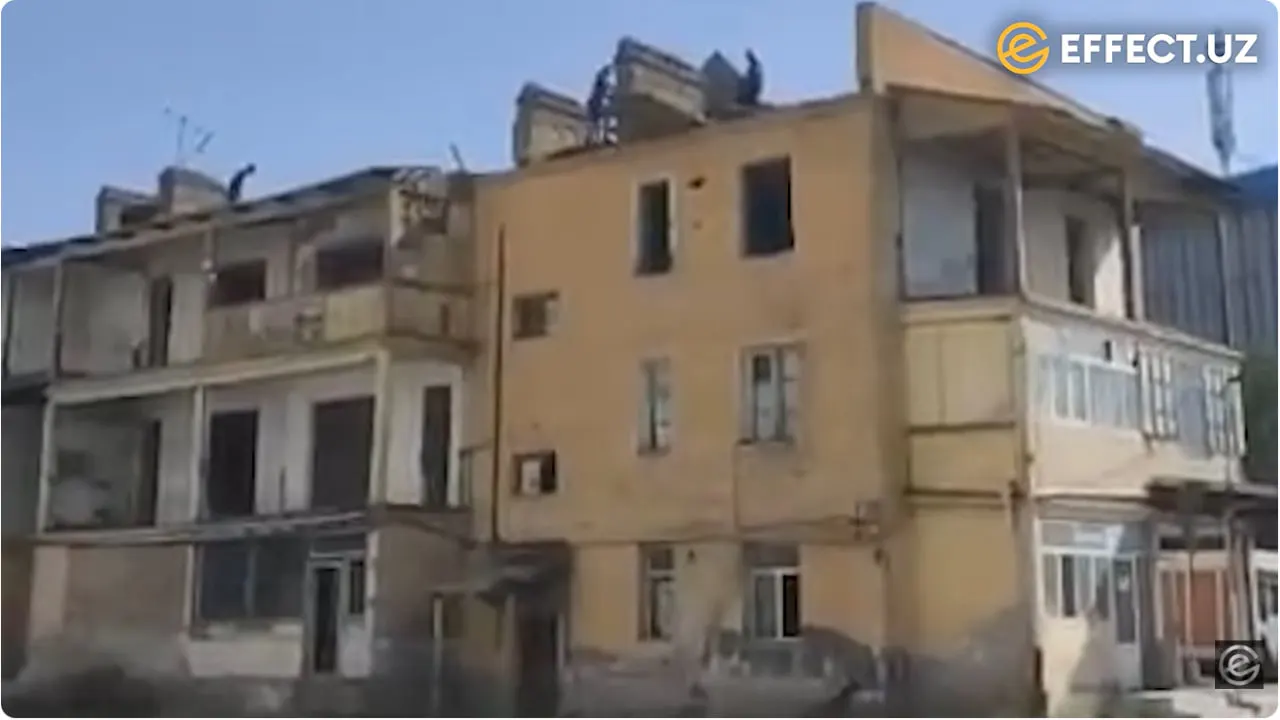
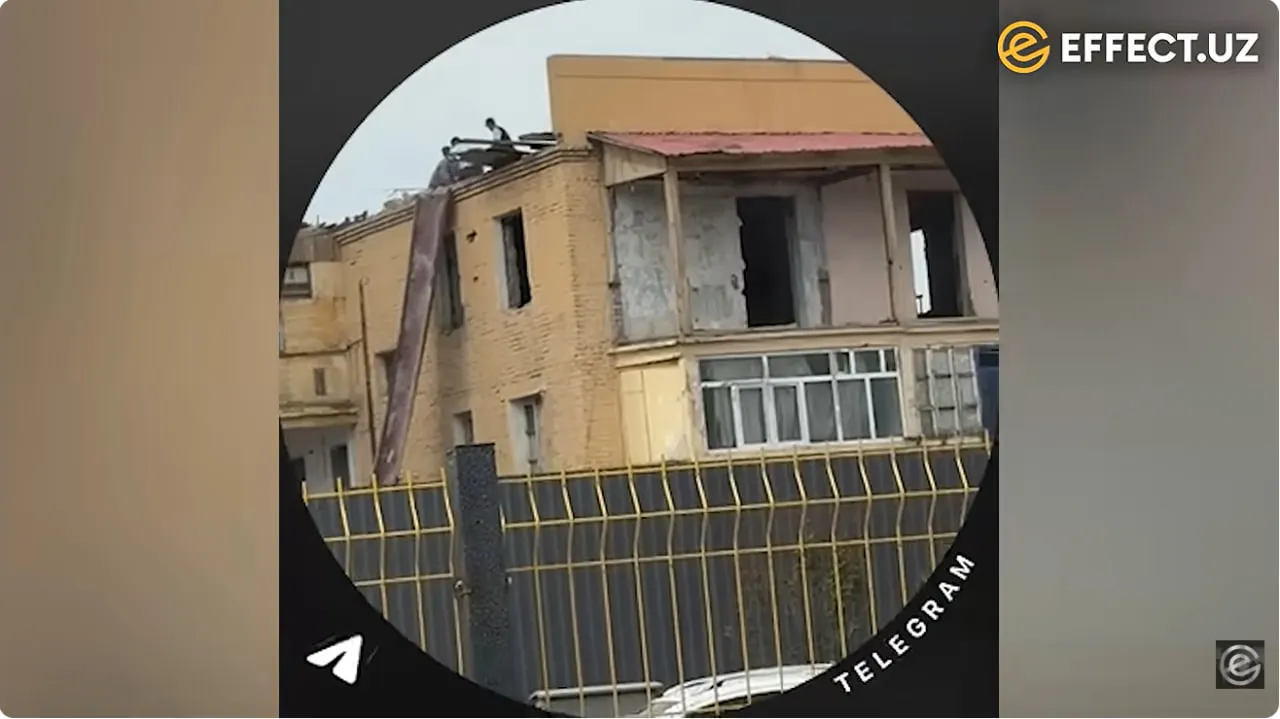
This conflict began in 2019. The area was designated for reconstruction, and an agreement was initially made with a construction company.
As it turned out, there was initially a process involving the “Azia Max” company, but later the activities of this company were deemed illegal, and the project was transferred to the “Zeromax” company. Following this, the property owners signed an agreement with “Zeromax”. At the time of signing the contract with “Zeromax”, the regional and city hokimiyats (administrations) participated as guarantors. It was guaranteed that even if the firm changed, the administration assumed the responsibility of returning the property owner's space as indicated in the contract, with assurances given to the effect that “even if the firm changes tomorrow or someone else takes over, your space will be returned to you exactly as shown in the contract.”
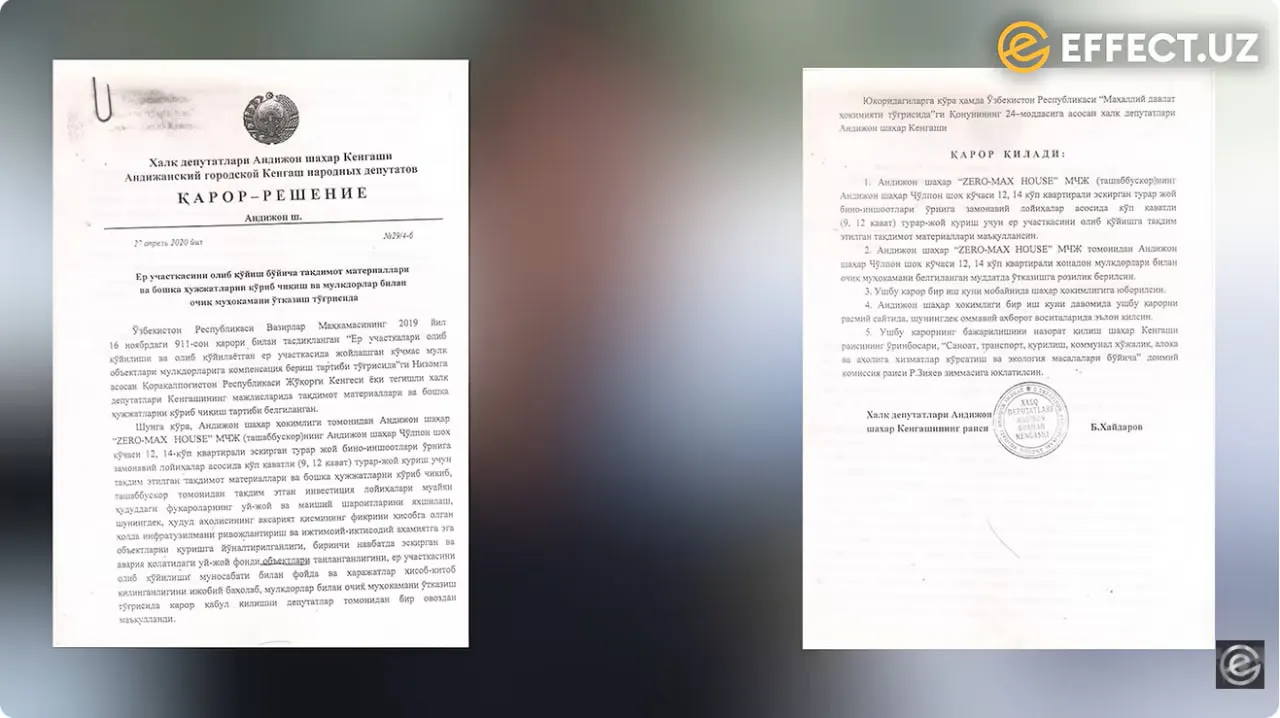
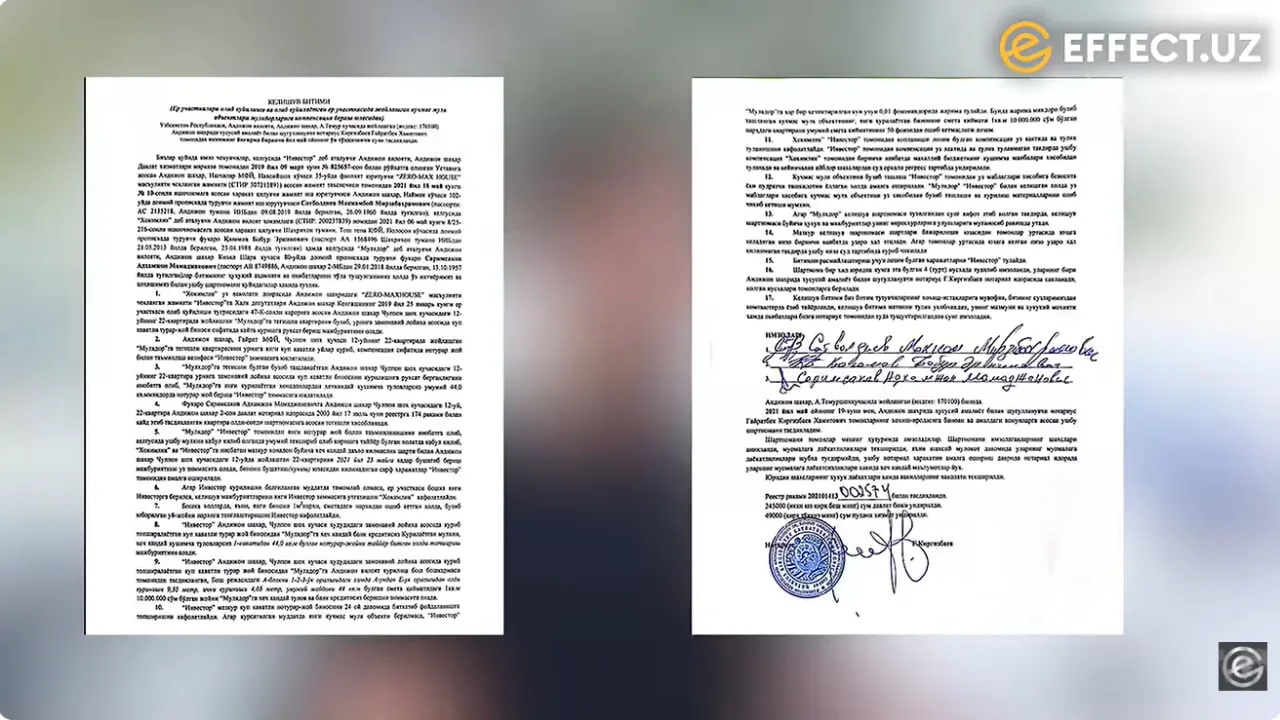
However, over time, certain problems also arose in the process involving Zeromax, and the construction work returned to the control of the “Azia Max” construction company. Currently, this builder party does not recognize the contracts concluded with “Zeromax” and is offering the citizen an apartment on the upper floors of the building based solely on the residential status indicated in their old documents.
“I am not an investor, I am a property owner”
The applicant's main objection is that they are being offered a different location in the new building. They emphasize that their former property was located on the ground floor and they had carried out business activities there for many years. They stated that they acquired this space in 1997 and later purchased the second property in 2001.
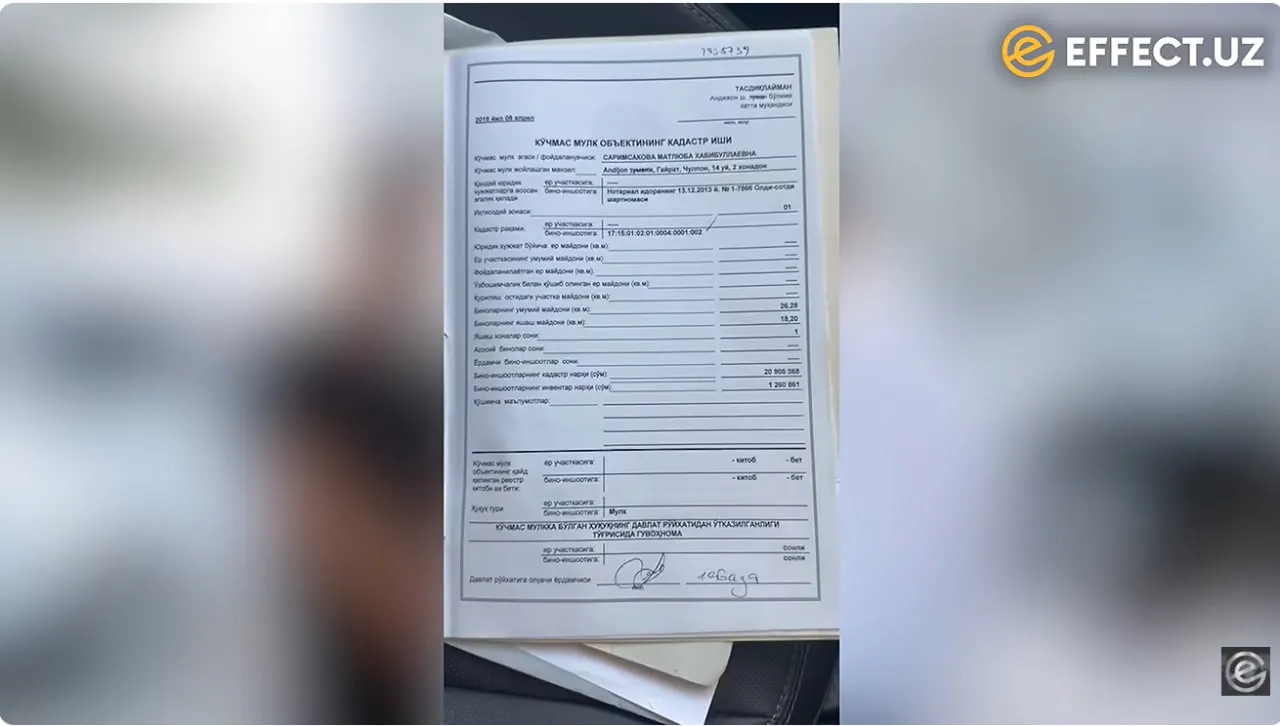
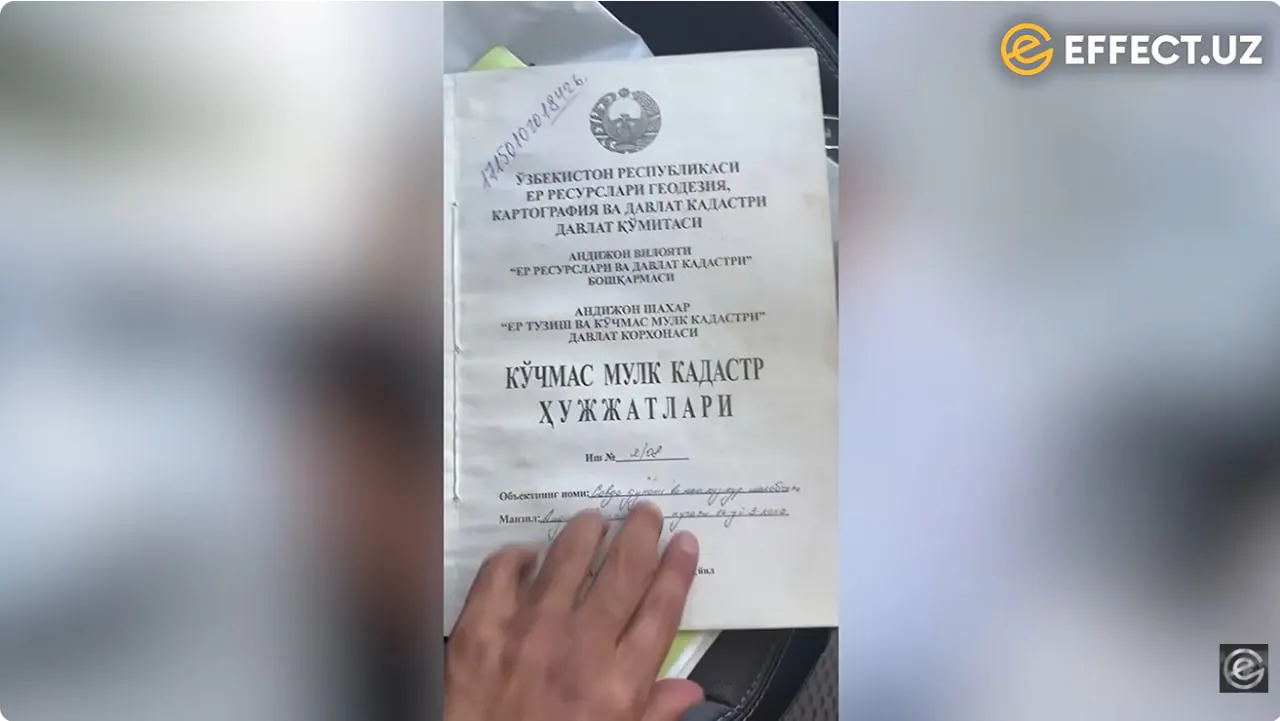
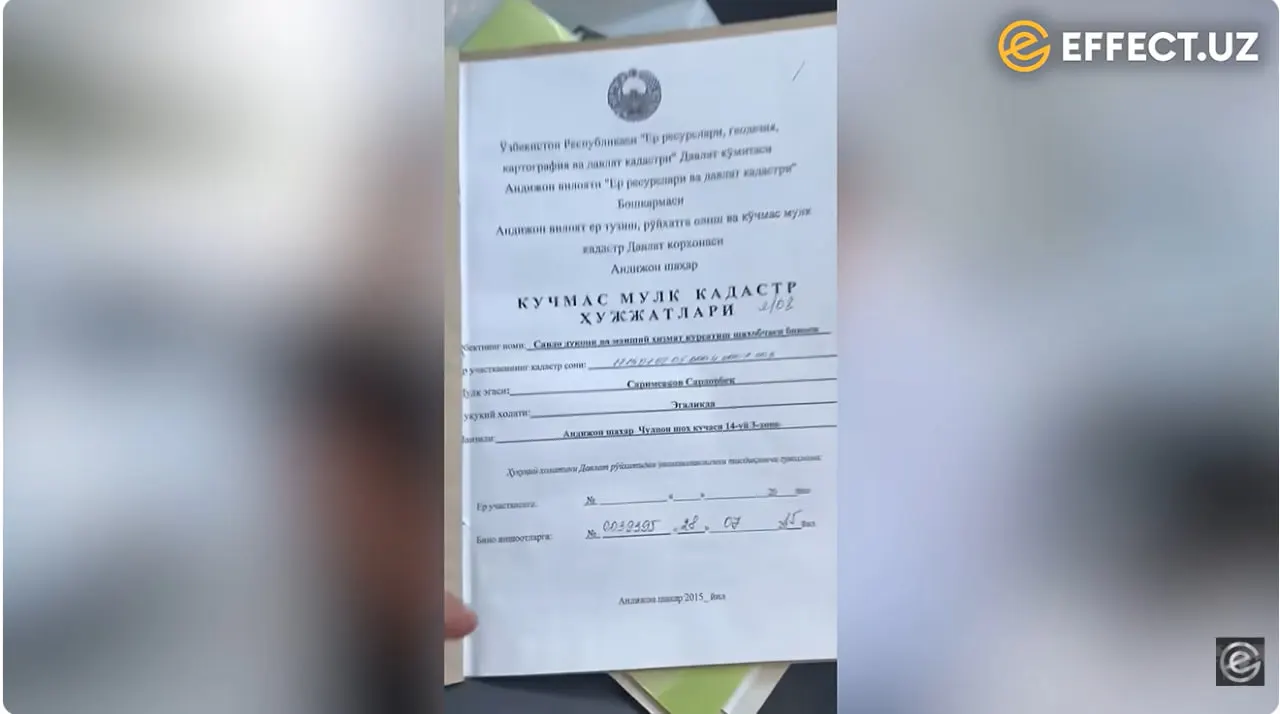
They mentioned that they used these buildings as a photo studio and carried out business activities until 2019. The dispute escalated after the reconstruction regarding the status of these premises and the type of property to be provided in their place.
The applicant emphasizes that they are not tying their demand to money or additional compensation. According to them, their main demand is that their former property be provided in accordance with its legal status and the requirements specified in the contracts.
“I am not an investor here, I am a property owner! The Constitution establishes that private property is inviolable. They demolished my ground floor space and are using it themselves. I am not asking for anything extra or for profit, I am just asking them to give me back my space,” — they say.
Residential space for residential, non-residential for non-residential?
Another important aspect of the conflict is the status of the property. The applicant says they were previously explained that if their ground-floor space was residential, they would be provided with residential space, and if it was non-residential, they would be provided with non-residential space. However, it was later stated that they are being offered a space on a different floor instead of their former location.
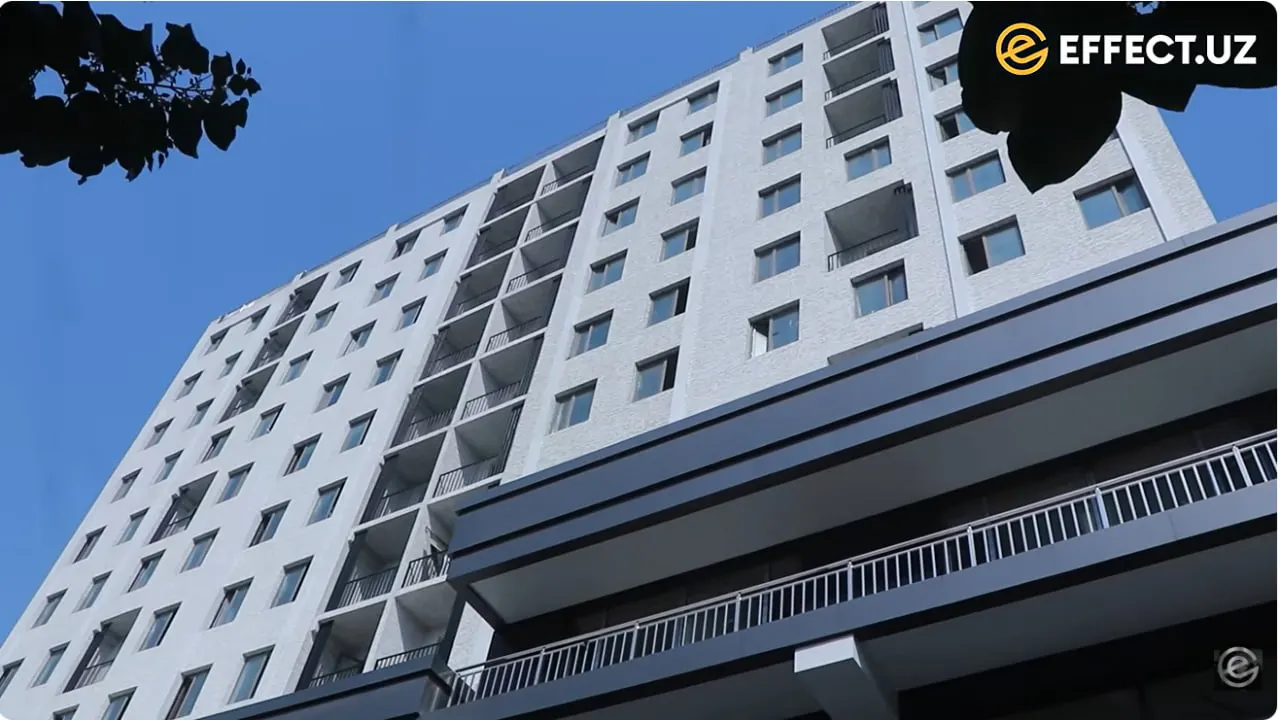
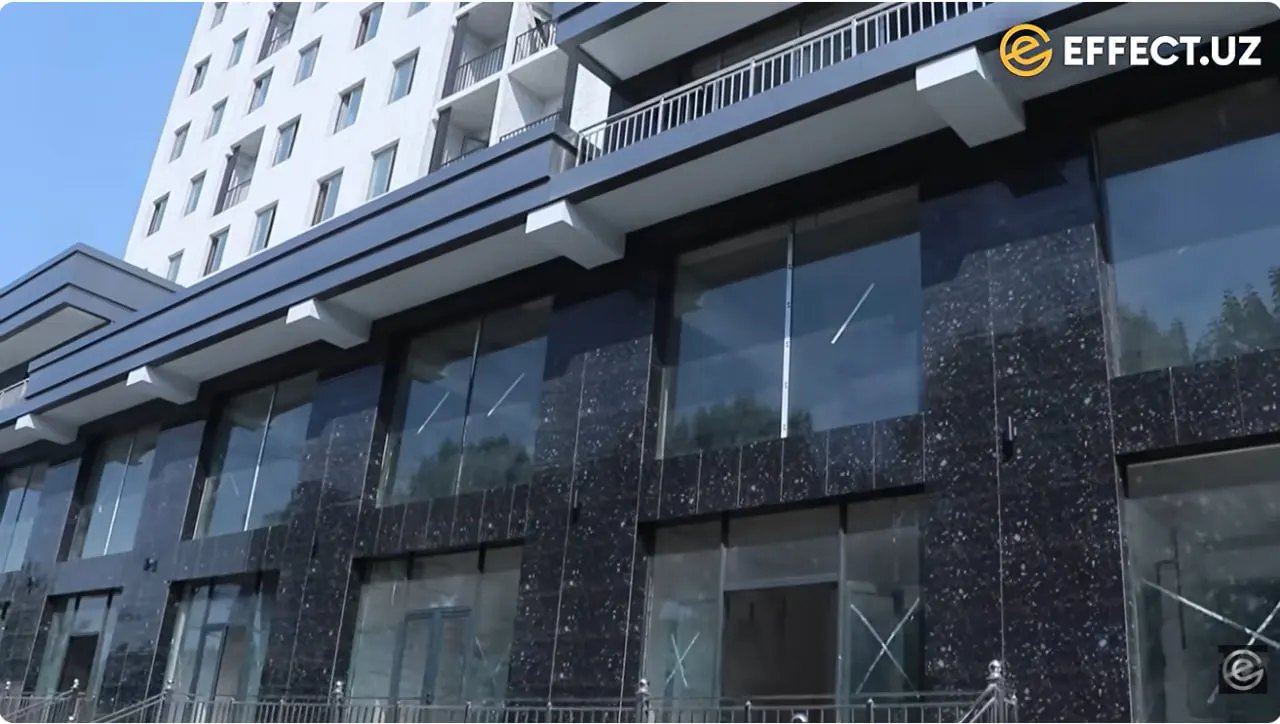
The applicant emphasizes that this situation is crucial for business activities because their former place was on the ground floor, where the photo studio operated.
The construction company's position in the interview is different. They state that property owners are intended to receive residential space if it was residential, and non-residential space if it was non-residential. However, there is a disagreement between the parties regarding the exact floor or apartment to be provided. For this reason, the company representative stated that they are awaiting a court decision.
Bank loan and collateral issue: A 20 billion soum risk
During the investigation, another complex and alarming situation came to light. According to the applicant and other sources, the builder pledged a completed and under-construction section of this property to Hamkorbank, securing credit funds amounting to 20 billion soums.
This situation raises very serious concerns not only for the applicant entrepreneur, but also for other citizens expecting spaces in this building: if tomorrow the construction company fails to timely pay its 20 billion soum credit obligation, won't the bank seize this building put up as collateral? If the bank executes recovery against the mortgaged property, will citizens and owners who have been waiting for their property in distress for years remain completely homeless and without premises?
In addition, objections are raised that even though the owner had a legal cadastral standard document for the previous 84 sq.m area, the builder sold this space to third parties by removing the restriction or processing a new cadastral document. The high probability that the bank will seize the mortgaged property tomorrow due to the builder's insolvency further complicates the process. These issues are also currently being examined in the civil court.
“I haven't been able to resume my business for seven years”
According to the applicant, due to the reconstruction and the dispute, they have not been able to work in their former place for nearly seven years. They emphasized that during this time, they were forced to rent another place with their family and continue their activities. They stated that this period was difficult not only in terms of property, but also family and economic aspects.
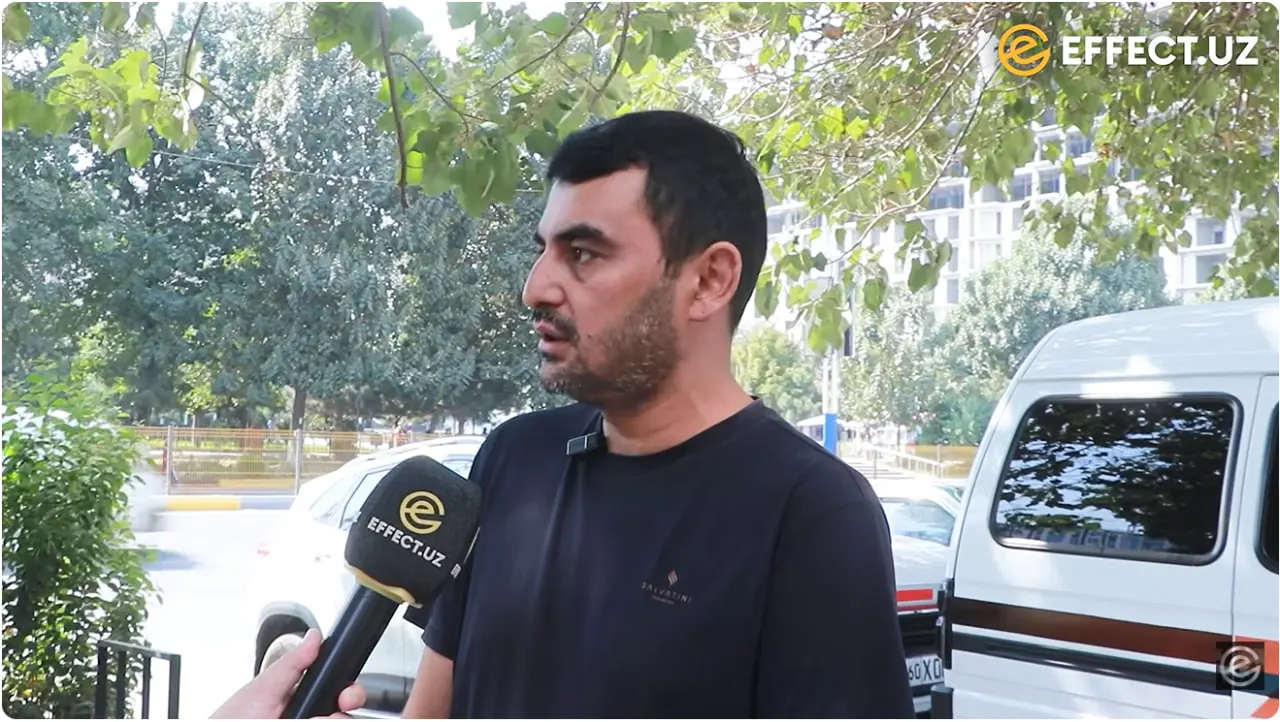
“When the problem started, my son was 8 years old, now he is 17. 7 years of my life have passed in these hardships. We rent a place and make ends meet. It hurts to suffer and not be able to use our own home,” — they say.
Helplessness of the hokimiyat and prosecutor's office: Does the builder have an “invincible backer”?
The applicant stated that in recent years they have repeatedly appealed to the prosecutor's office, internal affairs bodies, the State Security Service, and the Ombudsman. When visiting the city hokimiyat for a reception, the response was “This issue does not fall within our competence, go see the court.” Meanwhile, the initial contracts were signed with the participation and under the guarantee of officials.
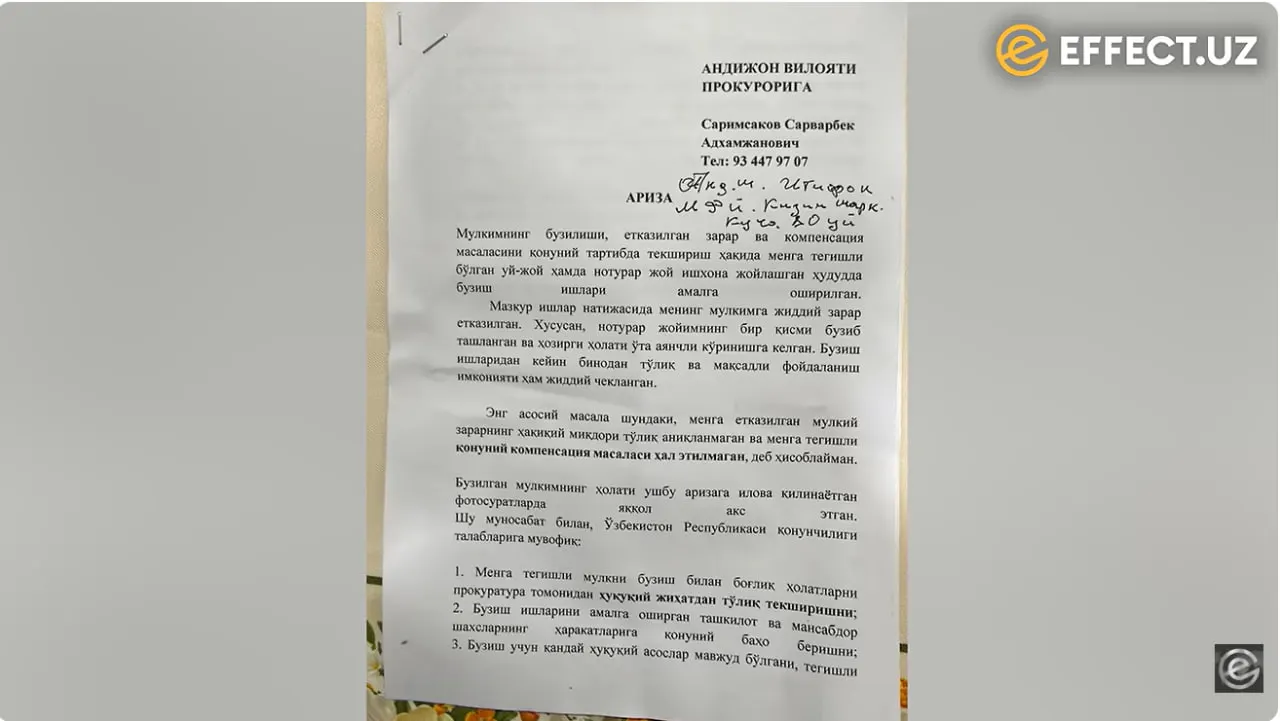
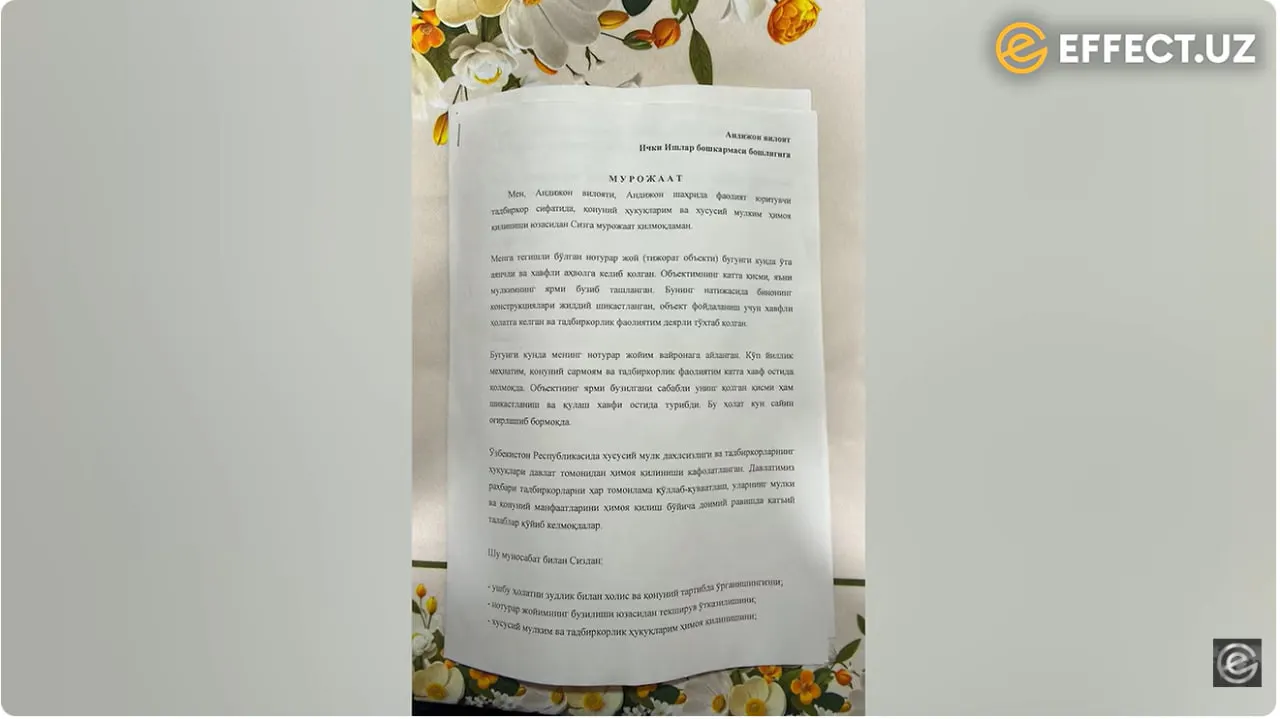
The applicant emphasized that they possess a recorded video of a conversation between the construction department prosecutor of the Andijan regional prosecutor's office and a representative of the construction company (a person named Akbar). According to them, even in communication with the prosecutor's office employee, the builder's representative showed no fear, threatening with words to the effect of “I will cause problems for you,” and previously, when the Andijan city hokim's deputy for construction arrived, he disrespected and chased him away from among the people.
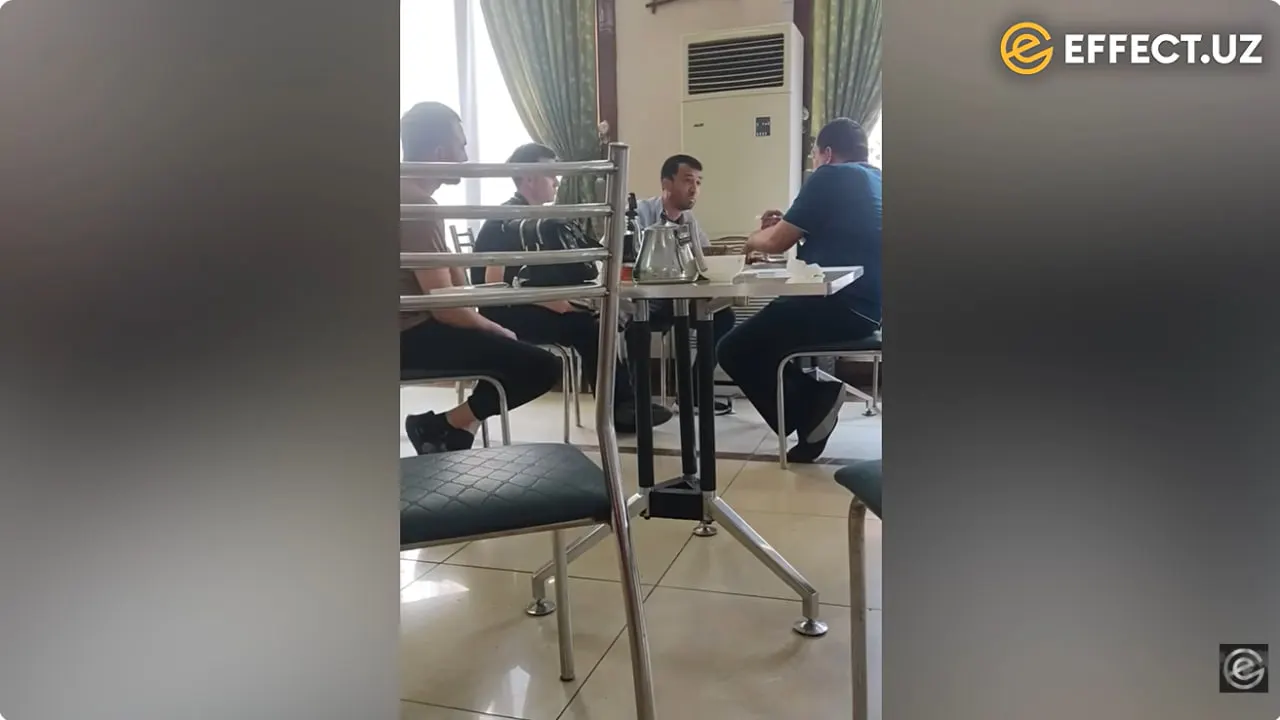
The applicant says that seeing the helplessness of local authorities, suspicions are arising that the builder has a “big backer” at the national level.
“If a single builder disregards an employee of the regional prosecutor's office and disrespects the deputy hokim in front of the citizens, it means he has a very big backer behind him. If an ordinary citizen had spoken like that, completely different measures would have been taken. If even a regional-level prosecutor's word carries no weight, then who will help us? Seeing this helplessness of local officials, we are beginning to realize that we have no choice left but to appeal to the Presidential Administration,” they say.
What does the construction company side say?
In the second part of the interview, the construction company representative was also spoken with. According to their position, the applicant signed a contract with the previous construction company. The current company holds a different position on the issue of whether or not it has assumed all obligations under that contract.
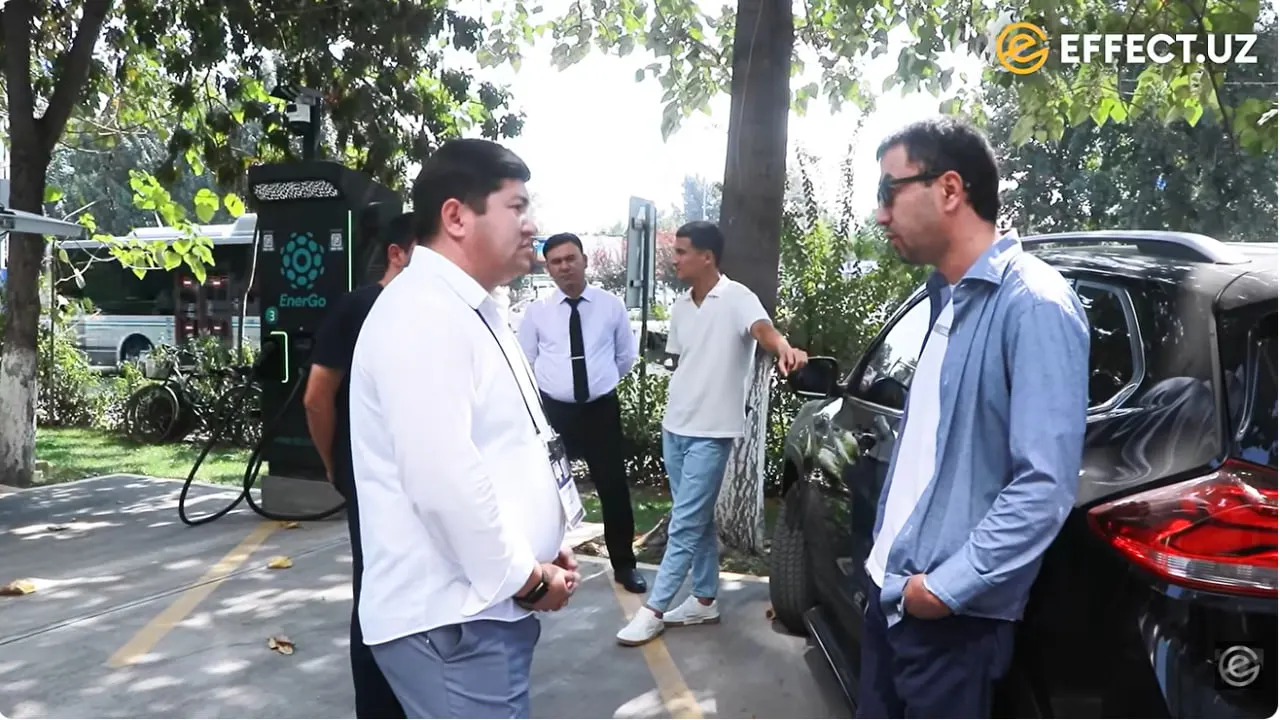
The company representative noted that there is no direct contract concluded with the applicant. They also stated that the issue of which exact location and under what terms an agreement was reached between the parties is being examined in court.
According to the company representative, there is no stance that the property will not be given to the applicant at all. The issue is about which place, with what status, and in what order it will be provided. Therefore, the company side stated that they are waiting for the court decision.
The main debate — whose obligations are what?
As seen from the conversation, at the center of the conflict is not just the issue of “first floor or another floor.” Several important legal questions arise here:
— By which documents are the rights to the former property confirmed?
— Does the contract concluded with “Zeromax” and guaranteed by the hokimiyat create obligations for the subsequent construction company?
— Won't the bank's 20 billion soum credit and collateral agreement leave property owners homeless in the future?
— Why are local hokimiyat and prosecutor's office bodies unable to enforce the powers they guaranteed?
The Constitution of the Republic of Uzbekistan explicitly establishes that the inviolability of private property is guaranteed by the state. However, this situation in Andijan shows that agreements concluded under the guarantee of local authorities sometimes fail to protect citizens. During court proceedings, assessments are expected to be given to issues of pledging the building as bank collateral, changes in cadastral documents, and the legal succession of contractors.
Effect.uz will continue to monitor the development of events.
Muhammad Ali Qozoqov, Effect.uz