A draft resolution of the Cabinet of Ministers “On approval of the regulations on the procedure for interaction between Road Patrol Service officers and road users and the use of special devices” has been published on the portal for discussion of normative-legal acts.
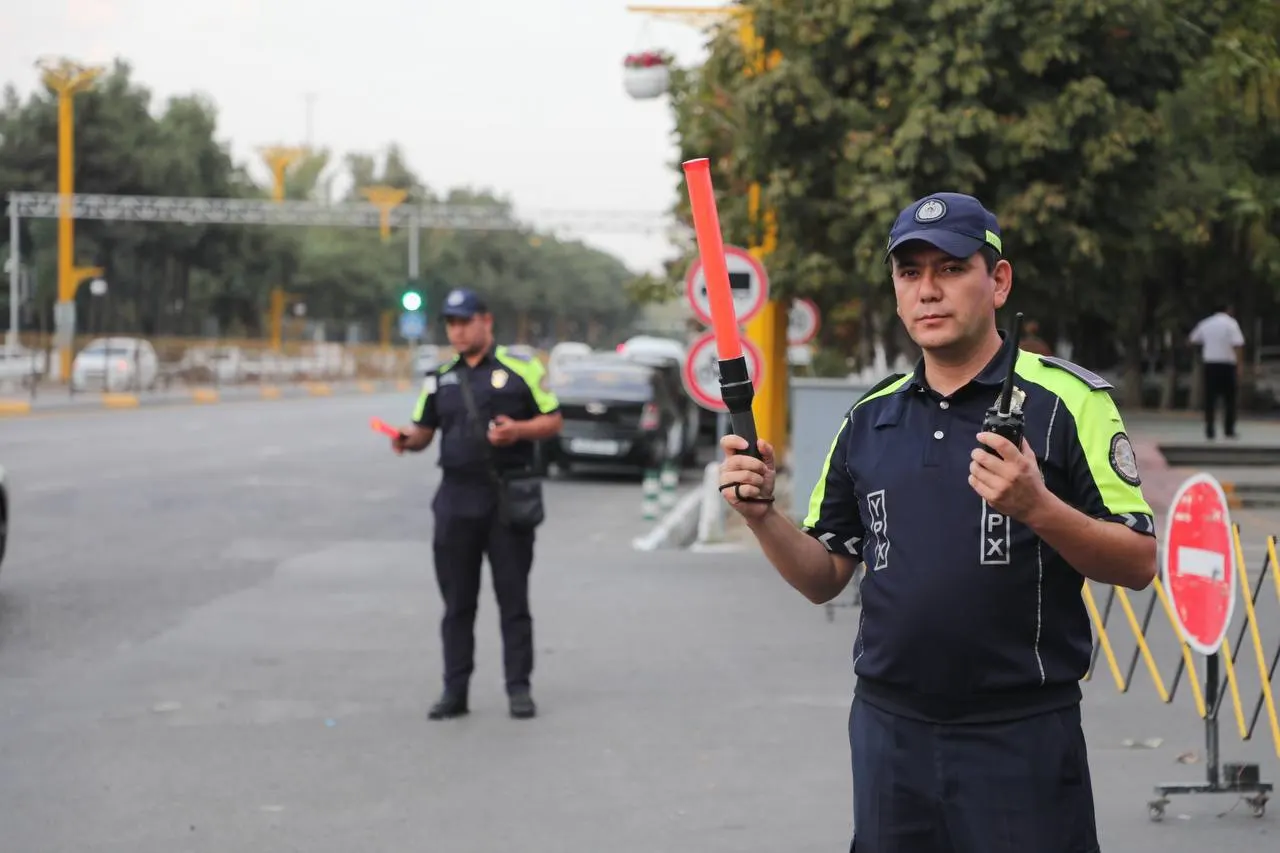
According to the regulations on the procedure for interaction between Road Patrol Service (YPX) officers and road users and the use of special devices, the interaction between YPX officers and road users is based on the principles of legality, fairness, equality, inevitability of liability for guilt, compliance with and respect for the rights, freedoms, and legitimate interests of citizens.
A vehicle may be stopped by a YPX officer on the following grounds:
when a traffic violation by the driver is detected through visual observation or recorded using a special device;
when there is information that the vehicle is wanted, or that the driver or passengers are involved in a traffic accident or other offense;
when it is necessary to clarify the details of an incident from drivers or passengers who witnessed a traffic accident or offense;
in the process of executing instructions from authorized state bodies or officials to restrict or prohibit traffic;
when there is a need to render assistance to road users or law enforcement officers;
when there is a need to use a vehicle in the manner established by law (excluding vehicles belonging to diplomatic and consular missions and other representations of foreign states, international organizations, as well as specially designated vehicles);
during the conduct of special events;
when there is a need to check the availability of documents granting the right to use and drive, as well as documents for the vehicle and the cargo being transported (excluding special and military cargo, and cargo cleared and sealed by the customs service).
It is prohibited for YPX officers to stop vehicles on other grounds.
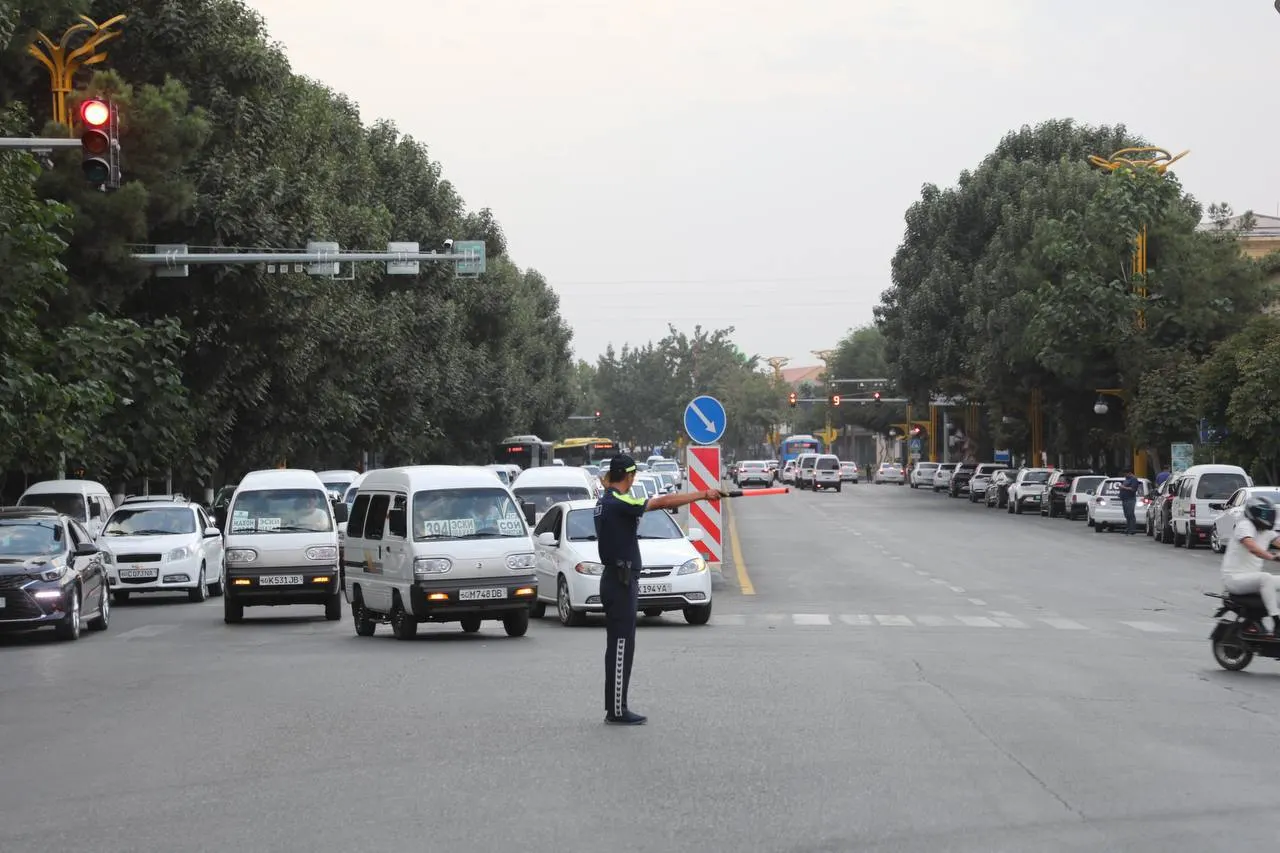
Signals given by YPX officers must be clear to road users and given in a timely manner.
When a driver's vehicle is stopped by YPX officers to check documents, measures are taken in the manner established by law only for violations detected during the document check process.
When a traffic violation by a vehicle driver is recorded through visual observation or a special device, the YPX officer must first explain the specific violation committed to the driver, and then check the documents and take appropriate measures.
When stopped, the driver can obtain information from the MADX – ADX (Central Dispatch Service) that the YPX officer is serving on duty in that specific area based on the duty roster (deployment). Upon the driver's request, the YPX officer provides information regarding the telephone number of the MADX – ADX. Detailed information about the full duty deployment schedule of the YPX officer is not provided.
The deployment schedule of the YPX officer is kept with the head of the combat unit (subdivision) of the State Road Safety Service (hereinafter referred to as DYHXX) where the officer is serving, and if necessary, can be shown for review at the driver's request. Copies of the deployment schedule are not provided.
When vehicles are stopped by YPX officers during special events, the road user is given an explanation of the exact purpose of the special event and the reason for the stop.
Special events may be conducted based on a plan approved or mutually agreed upon by the Minister of Internal Affairs of the Republic of Uzbekistan, the Head of the Road Safety Department of the Ministry of Internal Affairs, heads of territorial internal affairs bodies, and heads of territorial DYHXX.
A road user can obtain information on whether special events are actually being conducted based on an approved plan by calling MADX – ADX or by contacting the head of the DYHXX combat unit (subdivision) where the officer serves.
Road users are provided with information on the purpose of the special events, whether the YPX officer who stopped the vehicle participated in the special event, and whether a special event was conducted in the area where the vehicle was stopped. Information on the code name, full nature, and scope of the special event, as well as the documents serving as the basis for holding the special event, is not shown and copies of them are not provided.
When a road user contacts the head of the DYHXX combat unit (subdivision) where the YPX officer who stopped them serves, a reasoned response letter is issued to the applicant in the manner prescribed by law.
In the performance of their official duties, YPX officers have the right to:
stop a vehicle in the cases specified in Article 6 of these Regulations and check documents granting the right to drive and use it, documents for the vehicle, as well as transported cargo;
externally inspect the vehicle and cargo together with the driver or the person accompanying the cargo;
use electronic databases to check road users' documents;
identify road users who witnessed a traffic accident and other offenses;
use vehicles belonging to organizations and citizens in the manner established by law (excluding vehicles belonging to diplomatic and consular missions, other representations of foreign states, international organizations, and specially designated vehicles);
compare the numbers of vehicle engine units and parts with the numbers recorded in registration documents in the direct presence of the driver (except in cases where ensuring the driver's presence is not possible);
pursue a vehicle;
escort a vehicle;
detain persons wanted for committing crimes;
detain vehicles suspected of committing crimes, vehicles whose drivers committed an offense and fled the scene, disobeyed a lawful demand, as well as when vehicle drivers commit administrative offenses under Article 291, part one, paragraph "a" of the Code of Administrative Responsibility of the Republic of Uzbekistan (hereinafter referred to as MJtK): Article 125, parts three, five, and six; Article 125-1, part two; Article 126; Article 127, part two; Article 128-6 (if the driver is absent and the violation of stopping or parking rules impedes the movement of other road users); Articles 131, 135, 135-1; Article 136, parts one and two; Articles 137, 176-3; Article 194 (regarding failure to comply with a police officer's lawful demand to stop a vehicle), as well as in other cases directly provided for by law;
remove from driving, confiscate documents granting the right to drive, and take vehicles to a storage facility in cases where drivers are under the influence of alcohol, drugs, or otherwise intoxicated (hereinafter referred to as intoxicated), lack proper documents to drive, have a mental state or health condition that may hinder driving, or are driving a faulty vehicle, as well as in cases provided for in Article 291, part one, paragraph one of the MJtK;
use physical force, special means, and firearms when grounds provided by law exist.
YPX officers may also have other rights stipulated by law.
In the following cases, a YPX officer has the right to demand that the driver or passengers exit the vehicle cabin:
to eliminate technical malfunctions of the vehicle and violations of cargo transportation rules;
when there are sufficient grounds to believe that the driver is driving the vehicle while intoxicated;
to compare the numbers of vehicle engine units and parts with the numbers recorded in registration documents in the direct presence of the driver;
when there is a need to check the availability of documents for the vehicle or the cargo being transported;
when the driver or passenger is suspected of committing a crime or when there is a need to remove them from driving;
in cases where the driver's presence in the vehicle cabin may pose a threat to traffic safety (due to the driver's mental state, age, influence of medications reducing sensitivity and attention, fatigue and illness to a degree threatening traffic safety, doubts about the ability to drive the vehicle, etc.).
Except for cases where the driver's ability to exit the vehicle cabin is limited due to a physical disability.
In the performance of their official duties, YPX officers are obliged to:
carry out official duties exclusively using mobile cameras;
detect rule violations using visual observation and special devices;
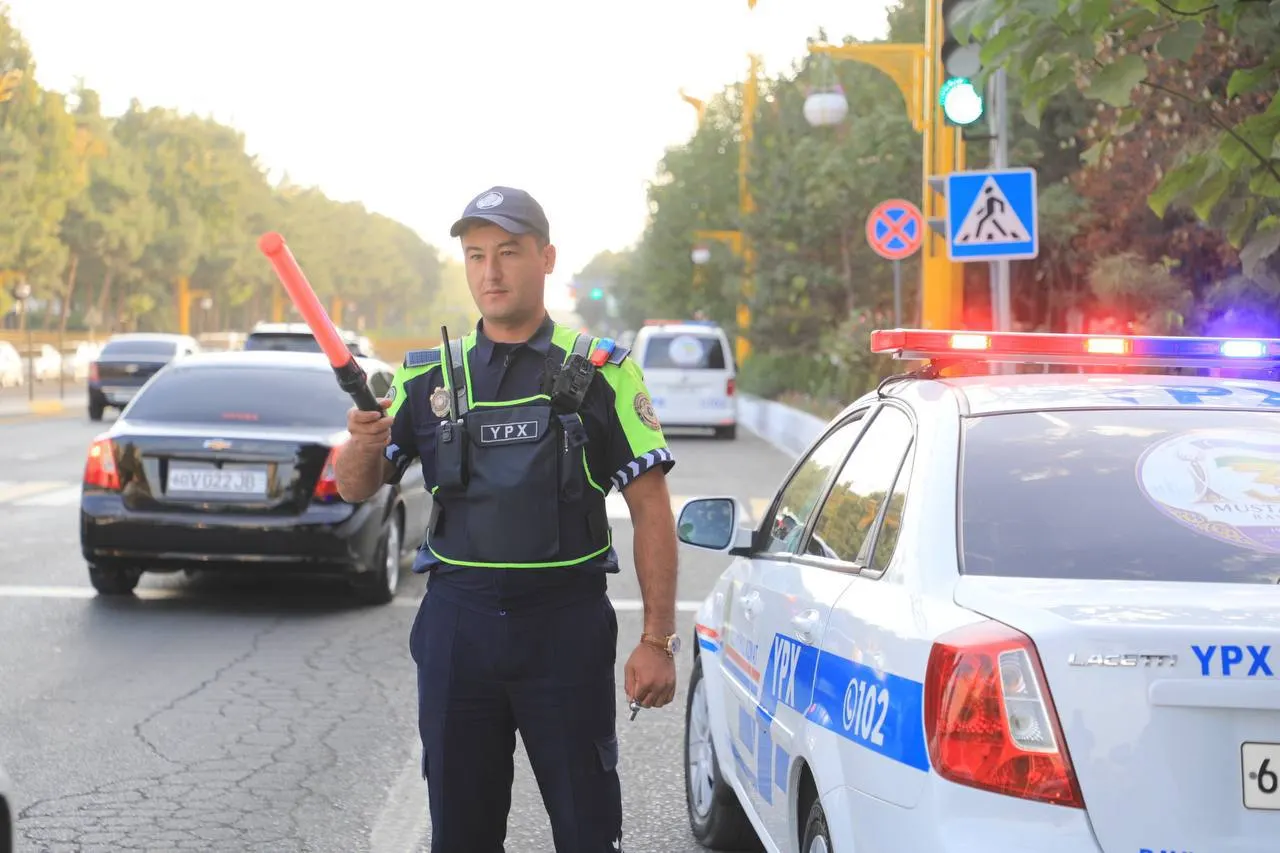
after stopping a road user, approach them, introduce themselves, provide information about their position, rank, and surname, and upon request, display their badge and show their service ID in an open manner (the YPX officer is prohibited from handing the service ID over to the road user);
inform road users that a mobile camera is being used and warn them that video recordings may be used to prove guilt if illegal actions are committed in the future;
in any situation, be calm, polite, courteous, and attentive to road users, address them respectfully using the formal “You”, and observe a culture of communication and legality in interactions with road users;
give road users clear and concise explanations of the reason for stopping them and the offense committed;
if there are grounds to believe a person is intoxicated, ensure their removal from driving and testing for intoxication in the prescribed manner;
restrict or prohibit the movement of road users when necessary;
explain rights and obligations to a person who violated rules while drawing up an administrative report;
take timely and appropriate measures against offenders in accordance with the law;
prevent offenses, identify the causes and conditions contributing to their commission, and take measures to eliminate them;
take measures to cordon off the scene of a traffic accident to prevent changes to the scene or the loss/destruction of evidence;
render assistance to victims of offenses or accidents, persons whose life or health is in danger, road users in need of medical assistance, and citizens in taking vehicles damaged as a result of a traffic accident to a designated place;
keep the service vehicle, badge, communication device, and special devices assigned to them in working order, and use special devices purposefully and strictly for official purposes;
not use unauthorized special devices, devices without certificates, with expired certificates, or devices not registered with internal affairs bodies in the prescribed manner;
acquaint a driver who violated rules by exceeding the established speed limit with the readings of the special device, and upon request, show the certificate (or a copy thereof) of the device;
immediately report to their immediate supervisor and the supervising prosecutor every case where physical force or special means result in damage to the life, health, or property of individuals or legal entities, as well as all cases where firearms are used;
explain to road users the right to appeal to a higher authority (official) or court.
YPX officers also fulfill other obligations established by law.
It is prohibited for a YPX officer to detain a road user groundlessly and without valid reasons.
When stopping a road user or processing a violation committed by them, a YPX officer is not obliged to provide explanations to persons not related to the situation and lacking authority established by law.
In their interactions with YPX officers, road users have the right to:
demand that the YPX officer explain the reason for the stop and which clause(s) of the Rules was/were violated;
demand that the YPX officer who stopped the vehicle introduce themselves, show their service ID, and display their badge;
not present documents to a YPX officer operating without a mobile camera;
record their interaction with the YPX officer using their own audio, photo, and video equipment (except for cases where the YPX officer is serving near areas and objects where a special regime is established by law).
present documents to the YPX officer without stepping out of the vehicle cabin, except for cases provided for in Article 13 of these Regulations;
familiarize themselves with the results of the special device recording the committed violation;
demand the presentation of certificates (or copies thereof) for the special means used to detect the offense;
provide explanations regarding the offense;
demand not to be detained without valid reasons;
participate in the process of external inspection of the vehicle or cargo by YPX officers;
after an administrative report is drawn up, obtain brief information from the central information dispatch service (hereinafter referred to as MADX) – information dispatch service (hereinafter referred to as ADX) on whether the YPX officer is authorized to serve in that area (deployment) or whether special events are being conducted;
after an administrative report is drawn up, demand that the head of the combat unit (subdivision) where the YPX officer's deployment schedule is kept show the deployment schedule;
familiarize themselves with the administrative report drawn up against them and the case files concerning the administrative offense, and make copies of them at their own expense;
appeal the actions or inaction of the YPX officer, the drawn-up report, and the issued decision to a higher authority (official) or court;
Road users may also have other rights established by law.
In their interactions with YPX officers, road users are obliged to:
obey the lawful demands of the YPX officer and fulfill them;
upon request by YPX officers, present for inspection the established documents for driving (vehicle registration certificate, driver's license and warning coupon, insurance policy, cargo documents), as well as identity documents (in cases where the driver operates without a driver's license);
state truthful information about the incident they witnessed to the YPX officer;
not offer gifts, material valuables, or perform actions aimed at otherwise influencing the YPX officer;
not abuse official position by refusing to show a service ID (except for persons for whom a special procedure for drawing up an administrative report for a violation is established by law);
not interfere with the interaction between other road users and the YPX officer.
Road users also fulfill other obligations in accordance with the law.