In recent years, slow travel has become one of the key trends in modern tourism. Travelers increasingly prefer calm, meaningful, and purposeful journeys. According to a report by the European Travel Commission for 2026, interest in slow travel rose from 22 percent in 2025 to 26 percent in 2026, confirming the growing popularity of this trend. From this perspective, Turkey's villages stand out as ideal destinations for slow travel. Some of these villages have been named "Best Tourism Villages" by UN Tourism, reflecting their commitment to sustainable, community-based tourism principles.
Barbaros – The Village of Dolls
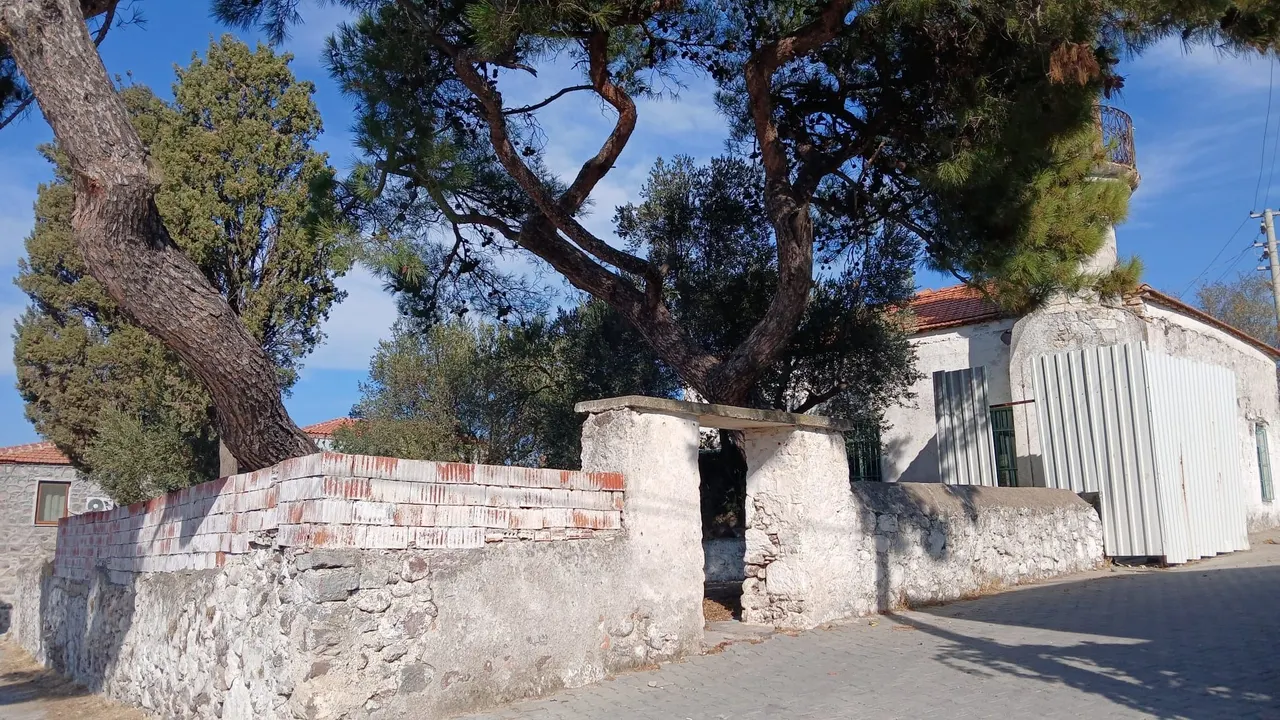
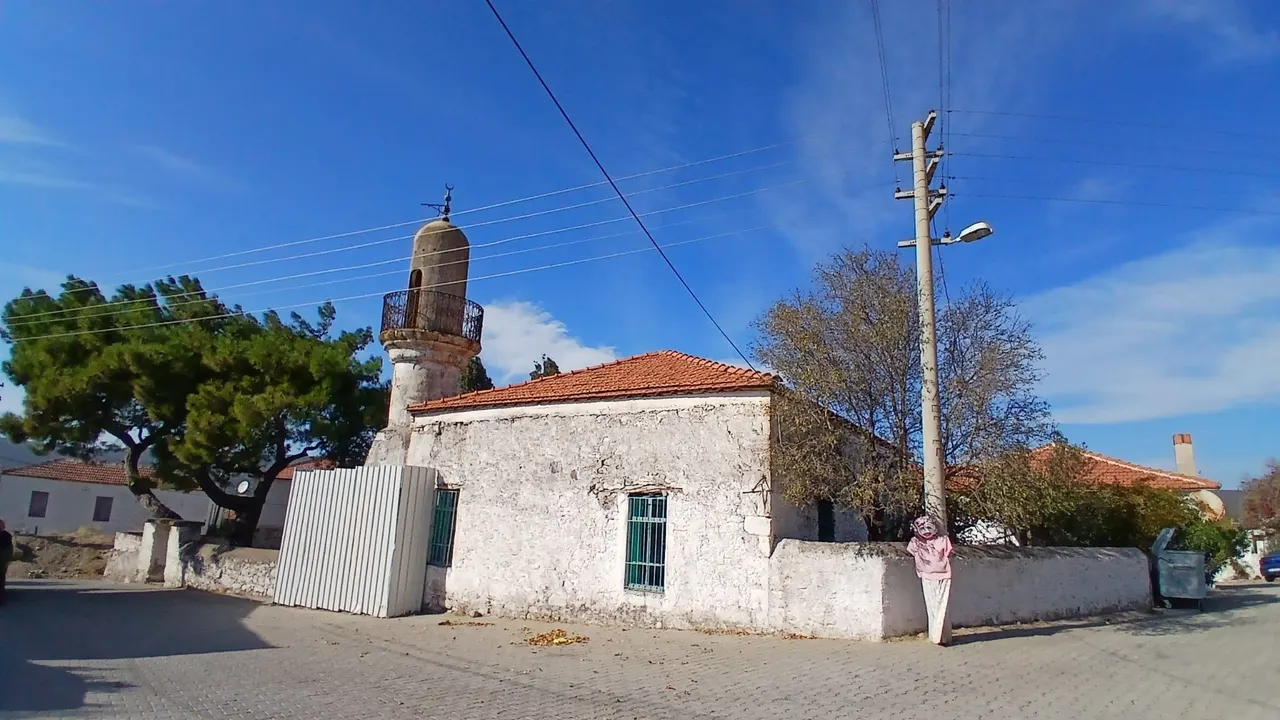
The village of Barbaros is located in the Urla district of Izmir and captivates travelers with its 700-year history and authentic Aegean spirit. Stone houses, narrow streets, and local handicraft traditions give the village a unique charm. It was included in the "Best Tourism Villages" list by UN Tourism in 2025.
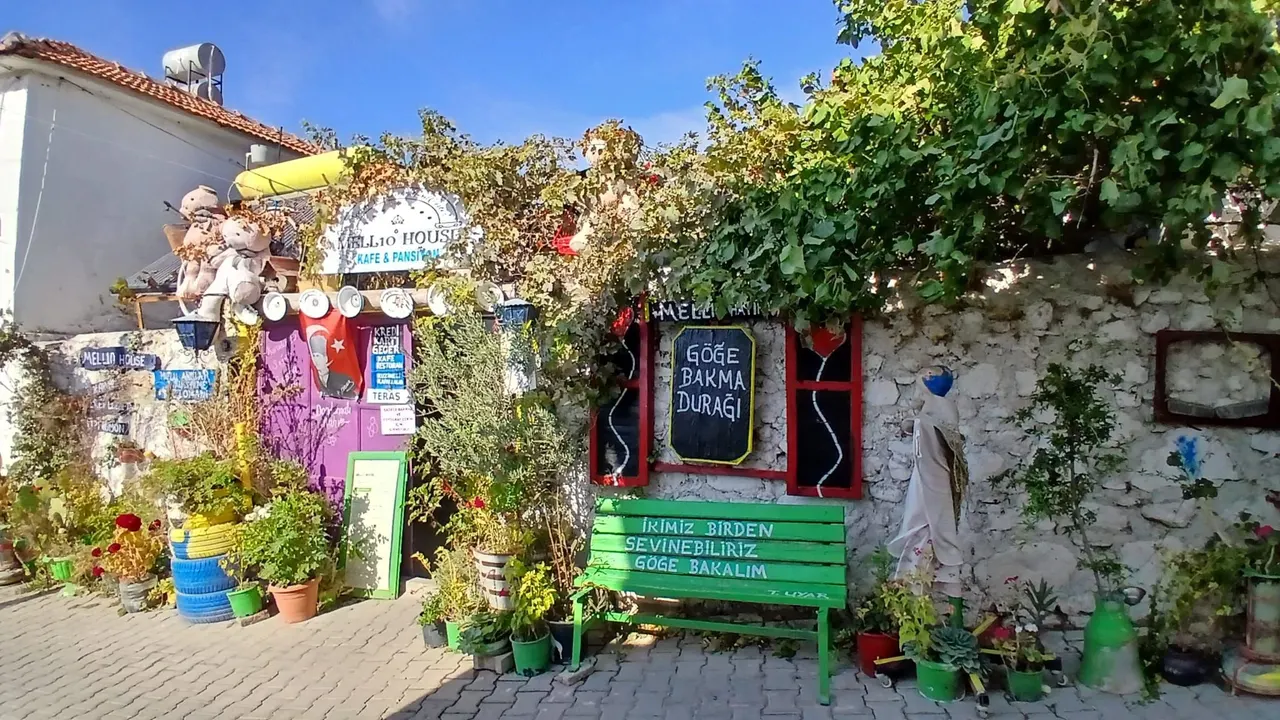
One of Barbaros's most interesting traditions is the "Çat Kapı" ("Knocking on the Door") custom. A special sign on the door invites guests into homes, where they can enjoy traditional Aegean dishes made with local olive oil, garden-grown vegetables, and freshly picked herbs. Among the local delicacies, the warm and savory katmer filled with handmade cottage cheese, parsley, and onions holds a special place.
During the Oyuk (Scarecrow) Festival held in September, the streets are decorated with various scarecrows. The nearby Urla vineyard route and popular gastronomic spots make Barbaros an ideal destination for those who value peaceful relaxation and delicious food.
Uçağız and Ormana: From the Coast to the Mountains
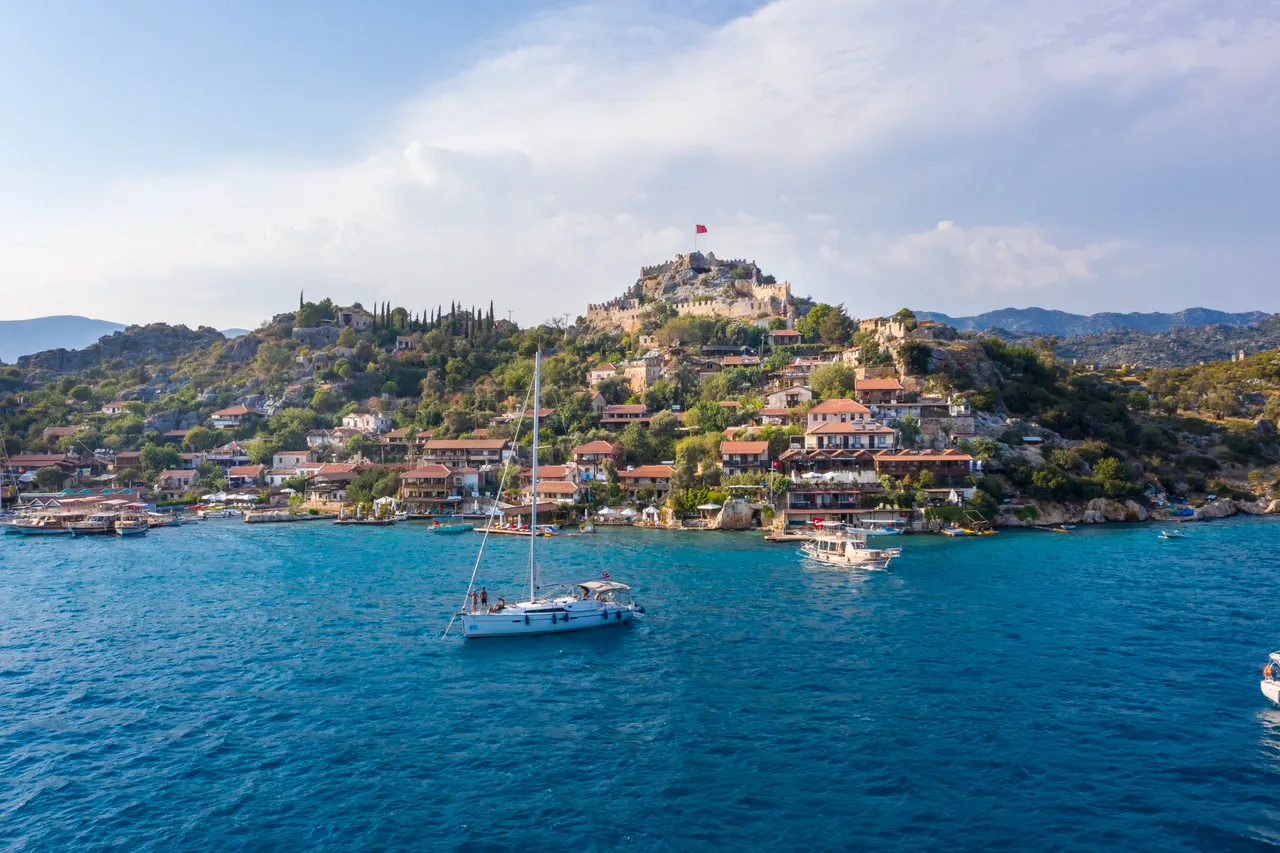
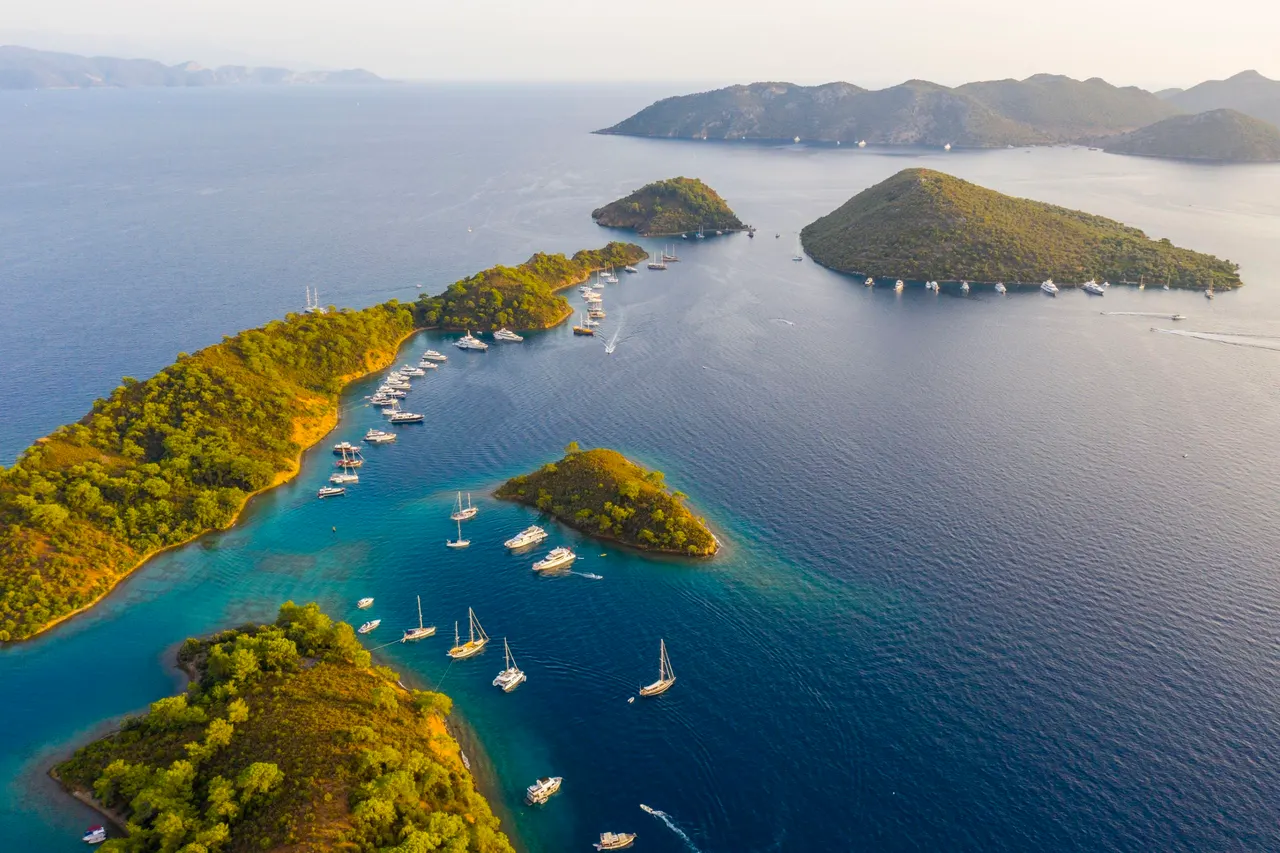
The village of Uçağız stands out with its peaceful atmosphere, historical heritage, and natural beauty. Narrow streets surrounded by stone walls lead to family-run restaurants, art workshops, and a medieval castle. The crystal-clear sea offers great opportunities for active recreation such as boat trips and diving.
The village is also an important stop along the famous Lycia Way, which, together with the ancient city of Myra and the Church of St. Nicholas, adds historical and spiritual richness to the region.
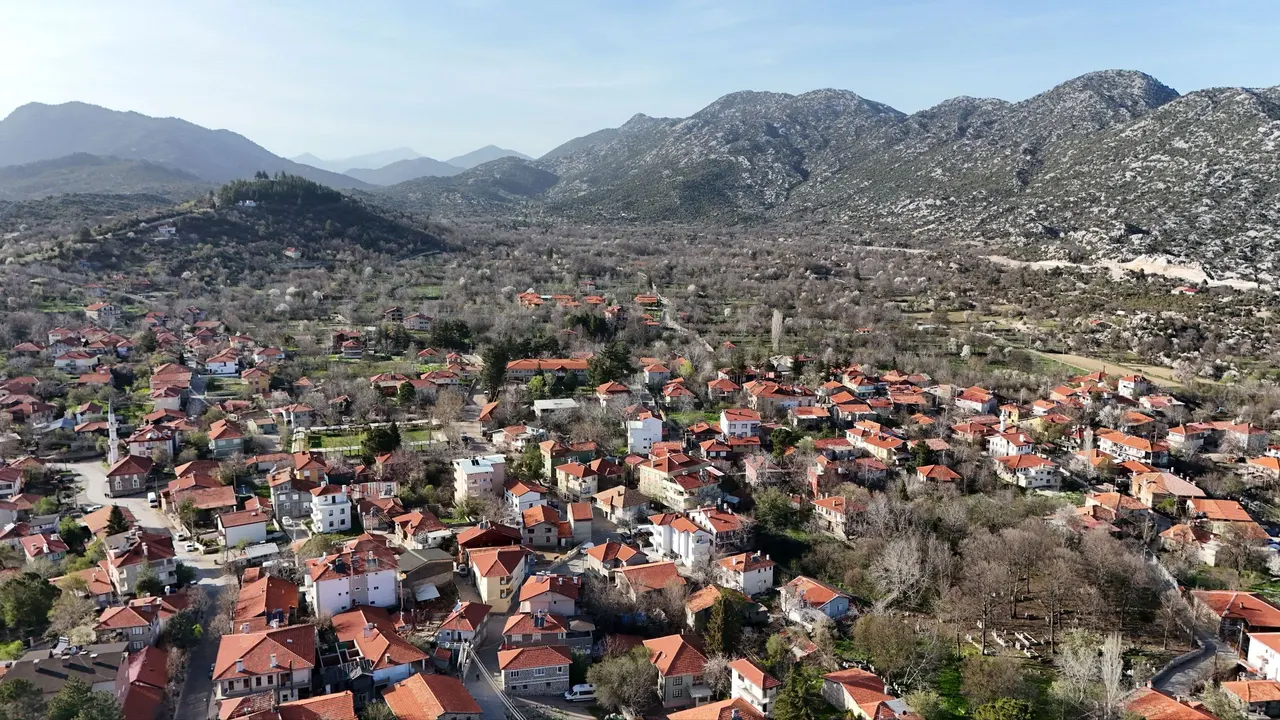
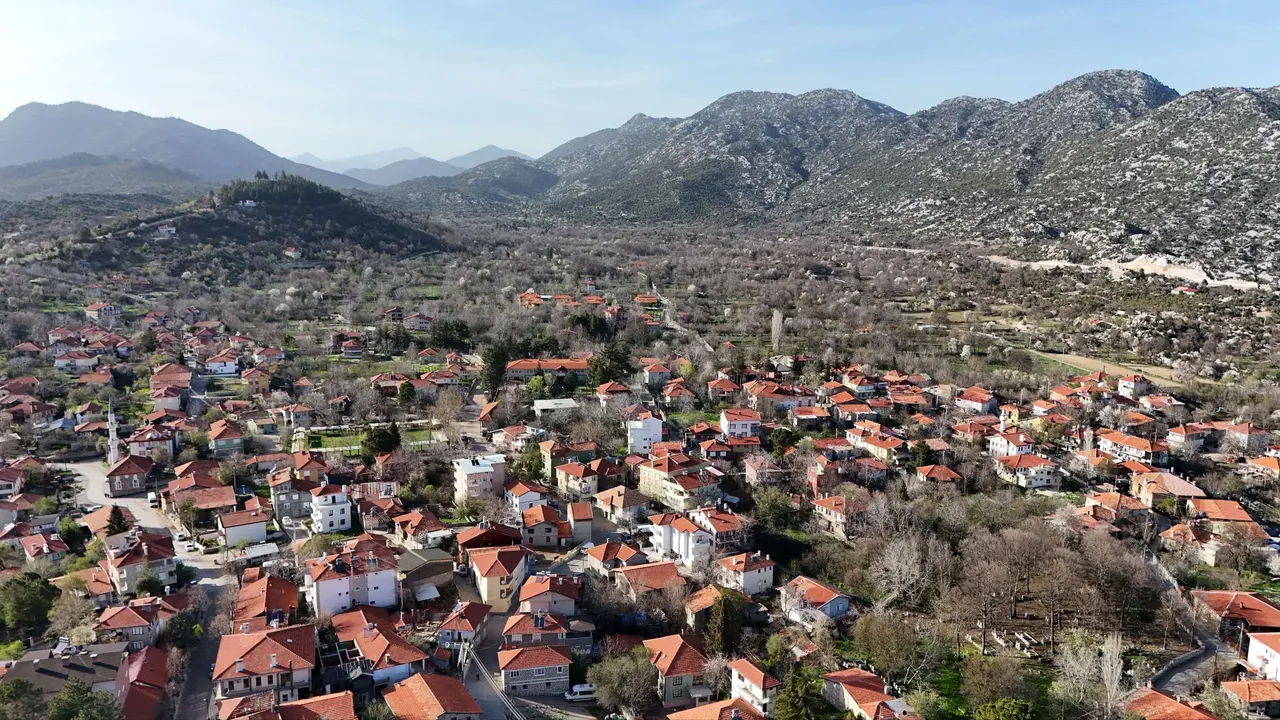
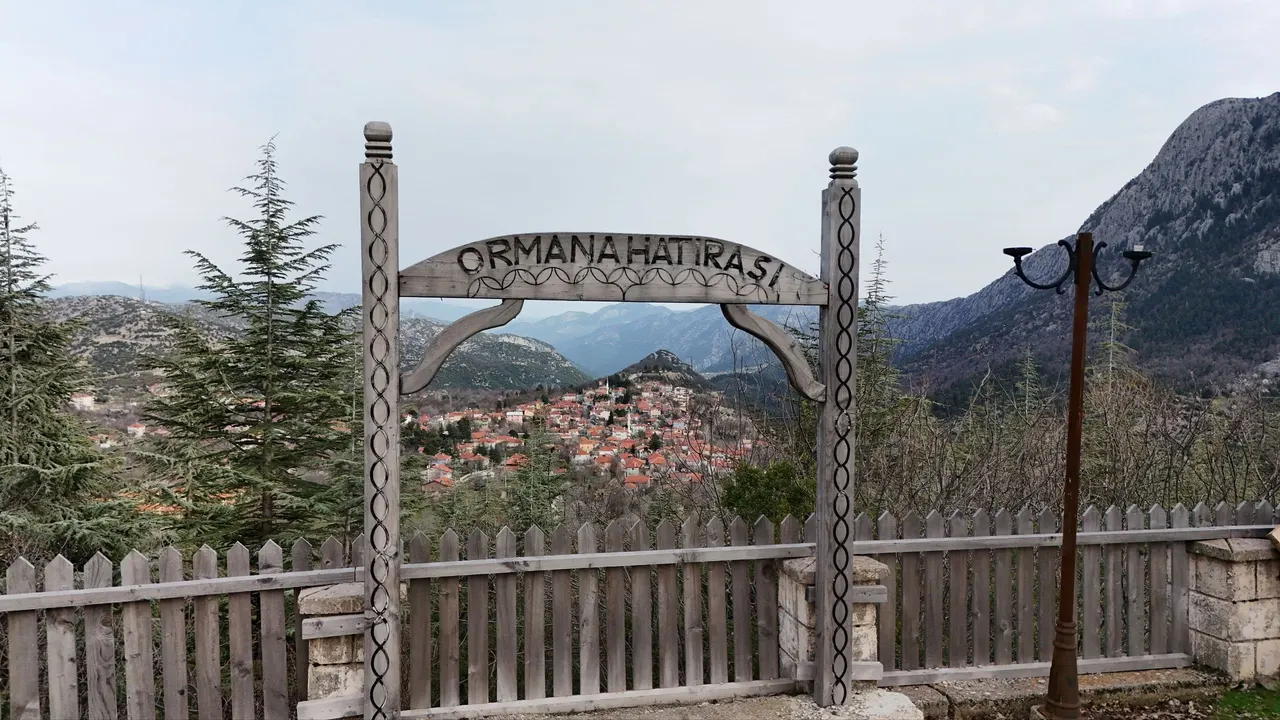
The village of Ormana is famous for its unique "button houses," built entirely from local stone and cedar wood without any mortar, following traditional methods passed down from generation to generation. Today, some of these houses have been converted into boutique hotels, allowing travelers to experience a living cultural heritage environment.
The village also stands out for its natural products and gastronomic traditions. Here, a "farm-to-table" experience based on mushrooms, local herbs, grapes, grape molasses, and natural cheese made from the milk of free-roaming goats leaves an unforgettable impression on visitors. The village's traditional Gılamık silk weaving is valued as a unique handicraft tradition.
Additionally, near the village are the Altınbeşik Cave, which houses Turkey's largest underground lake, the Eynif Plain where wild horses roam freely, and the ruins of Tol Han, reminiscent of ancient Silk Road routes. Ormana village has been included among GoTürkiye's sustainable tourism destinations.
Anıtlı: A Journey to the Middle Ages
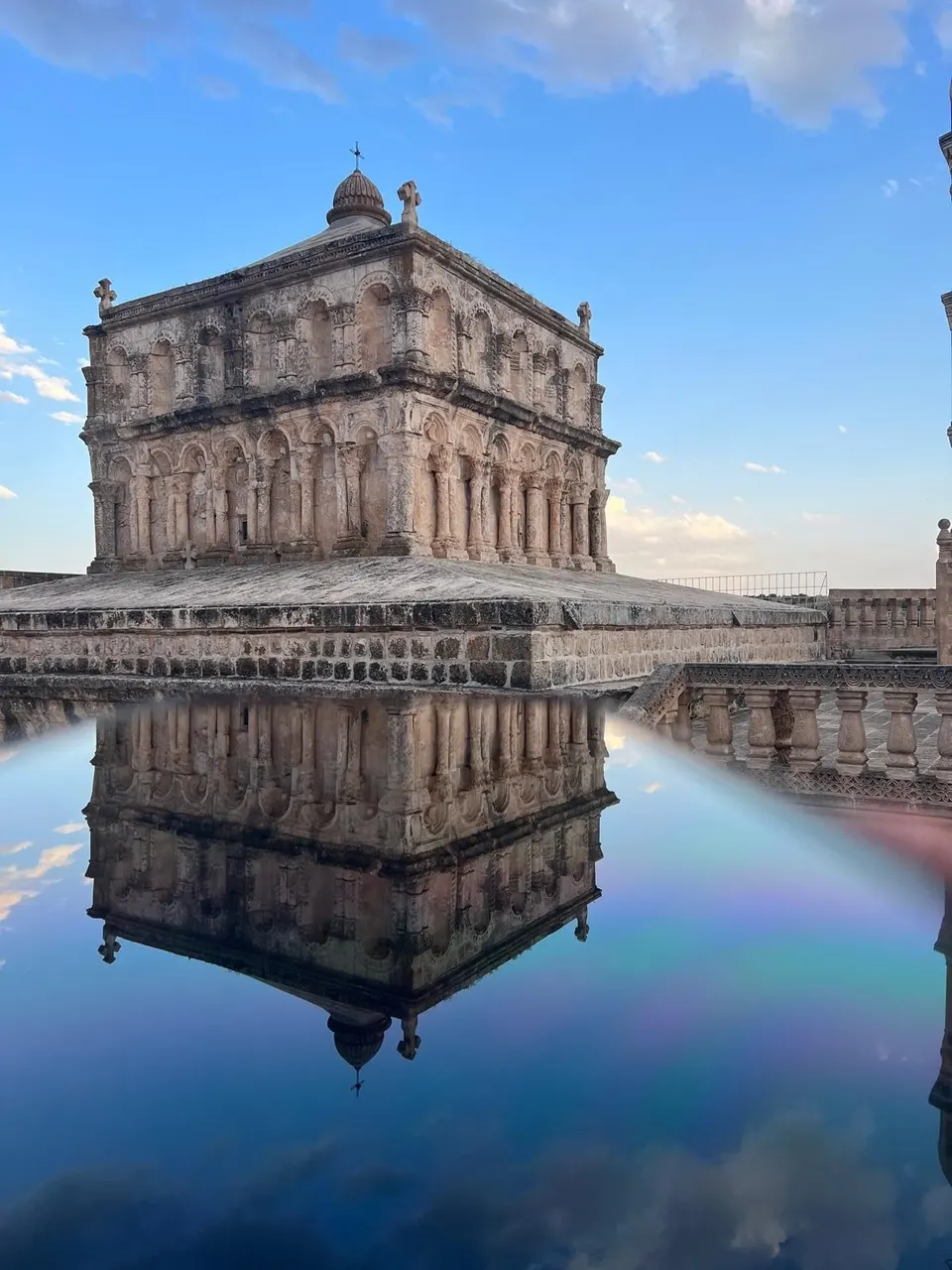
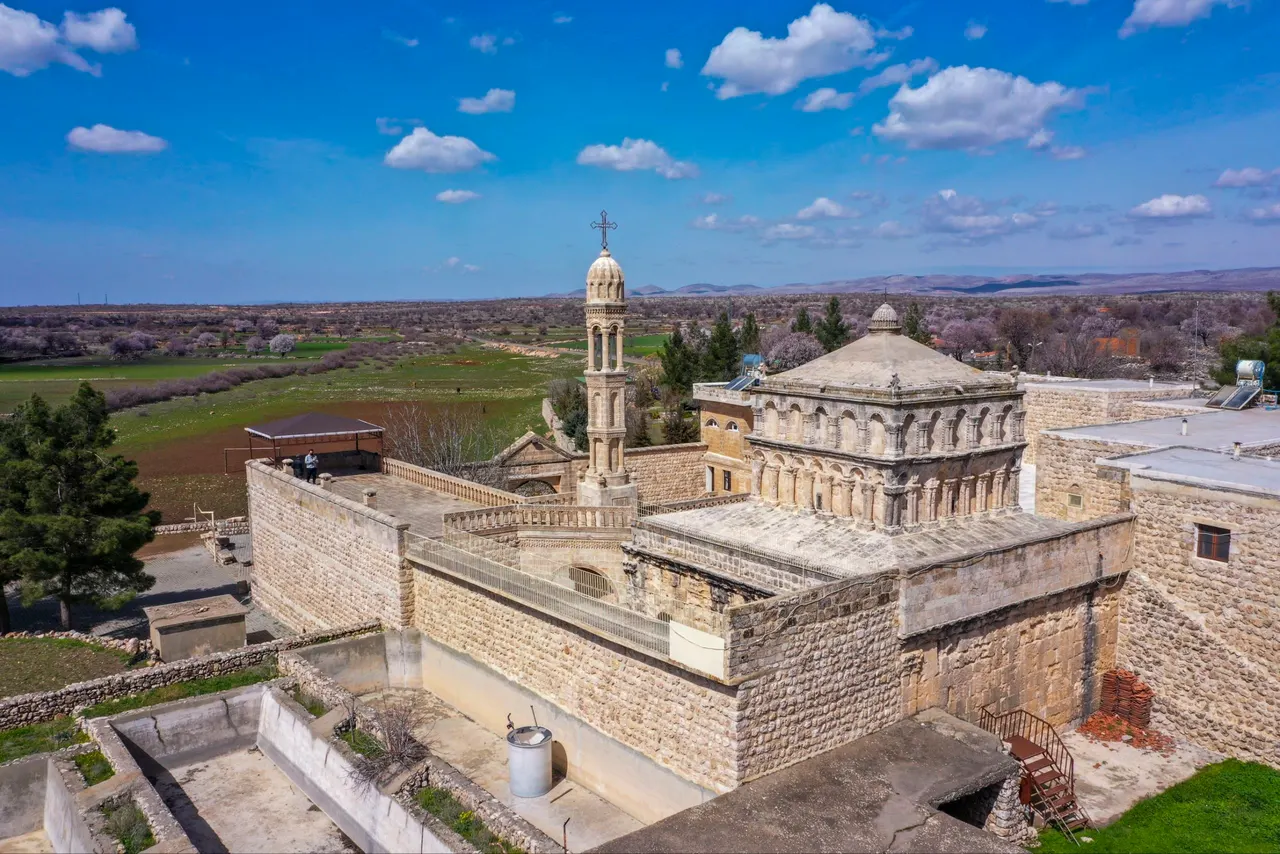
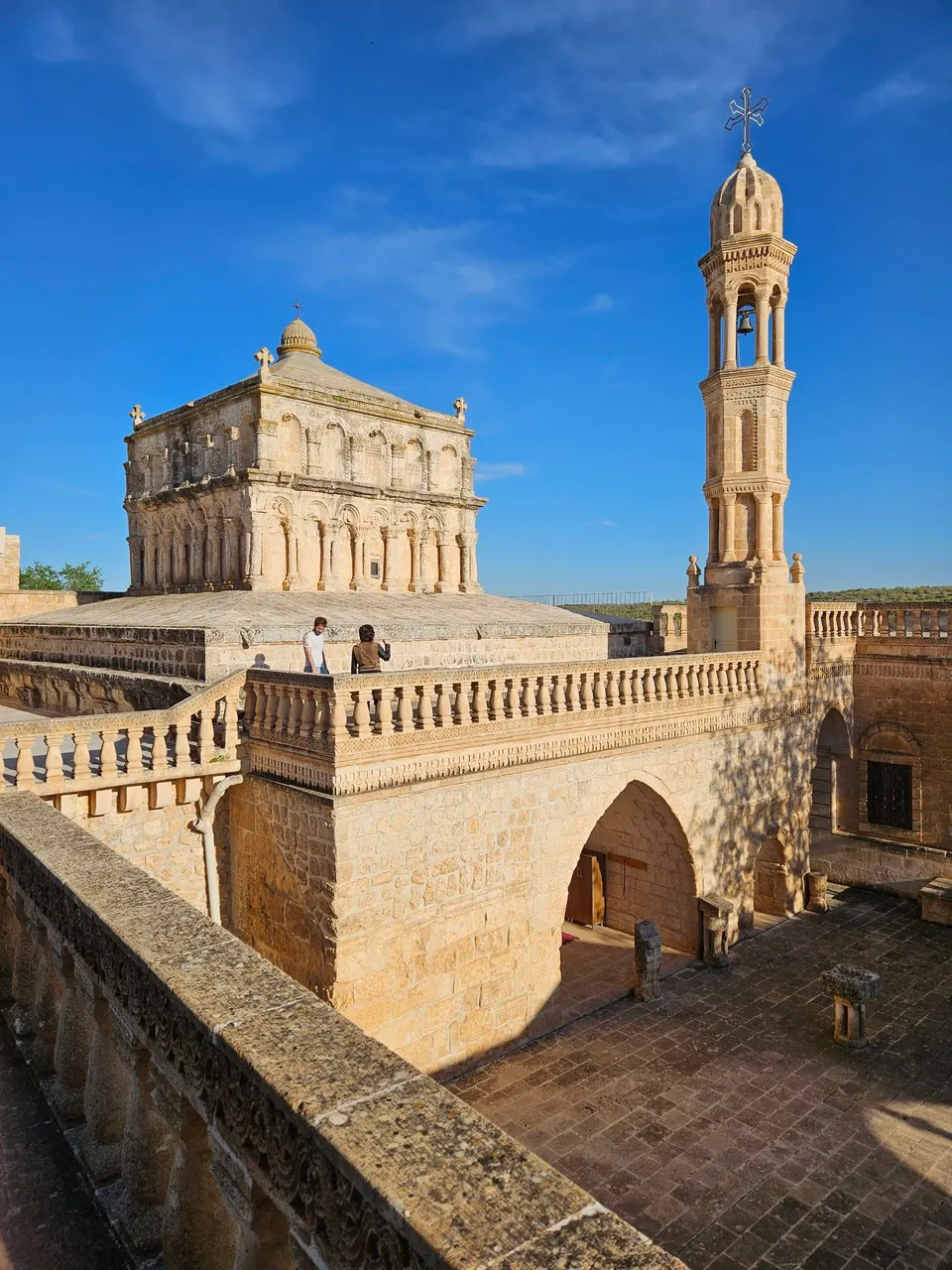
Anıtlı, formerly known by its Syriac name "Hah," is located in the Tur Abdin region of the Midyat district in Mardin province. The village is part of the "Late Antique and Medieval Churches and Monasteries of Midyat and Surrounding Area (Tur Abdin)" complex, which is included in the UNESCO World Heritage Tentative List. Built in 397 AD, the Mor Gabriel Monastery holds great historical significance as one of the oldest Syriac Orthodox monasteries in the world.
The region's gastronomy also has a unique charm. Chickpea bread prepared using traditional methods for centuries, Syriac borek, local pickles, and almond desserts are an integral part of this rich culinary heritage. Mardin's cuisine is increasingly gaining recognition for its use of local spices, the harmony of meat and fruit, and its culinary traditions.
Events such as the SineMardin International Film Festival, Midyat International Culture and Art Festival, Harire Grape Festival, and Mardin Biennial further enrich the cultural life of the region.