In recent years, interest in traveling by train has been growing worldwide. The opportunity to see multiple destinations during a single trip, enjoy natural scenery along the way, and travel leisurely is especially attracting the attention of young people.
The results of a recent study conducted by the Association of British Travel Agents (ABTA) also confirm this trend. Specifically, among 18–24-year-olds, the share of those who traveled by train was 5 percent in 2023, while in 2025 this indicator reached 12 percent, more than doubling. Furthermore, 12 percent of participants in this age category also planned to travel by rail in 2026.
Turkey is also one of the countries where rail tourism is developed, with its tourist trains connecting various destinations, diverse nature, historical cities, and gastronomic heritage. Especially in autumn and winter months, trains running to various regions of the country allow travelers to get acquainted with mountainous areas, forests, and historical sites.
The Touristic Eastern Express (Touristic Eastern Express), Touristic Karaelmas Express, and Special Touristic Salt Express are tourist railway routes covering different regions of the country.
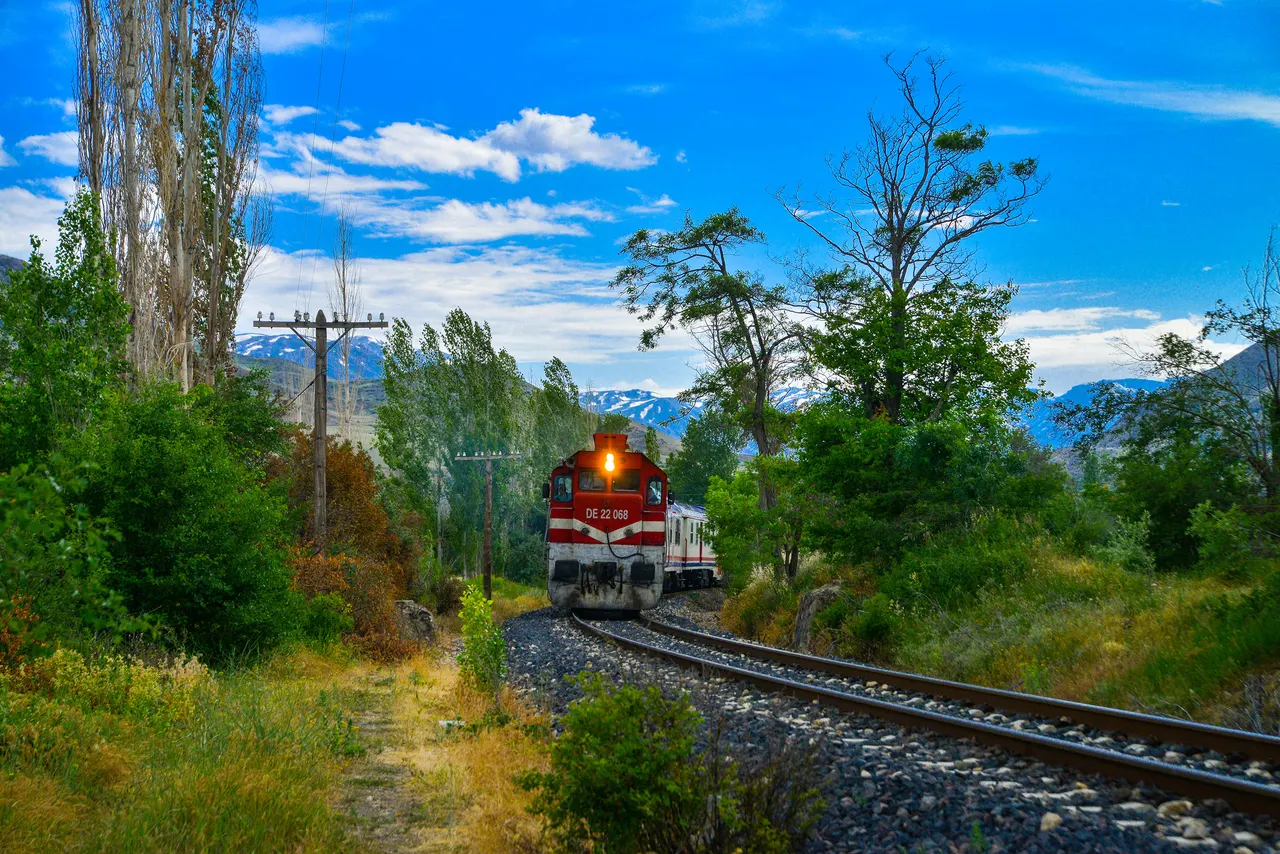
Touristic Eastern Express: Winter railway journey from Ankara to Kars
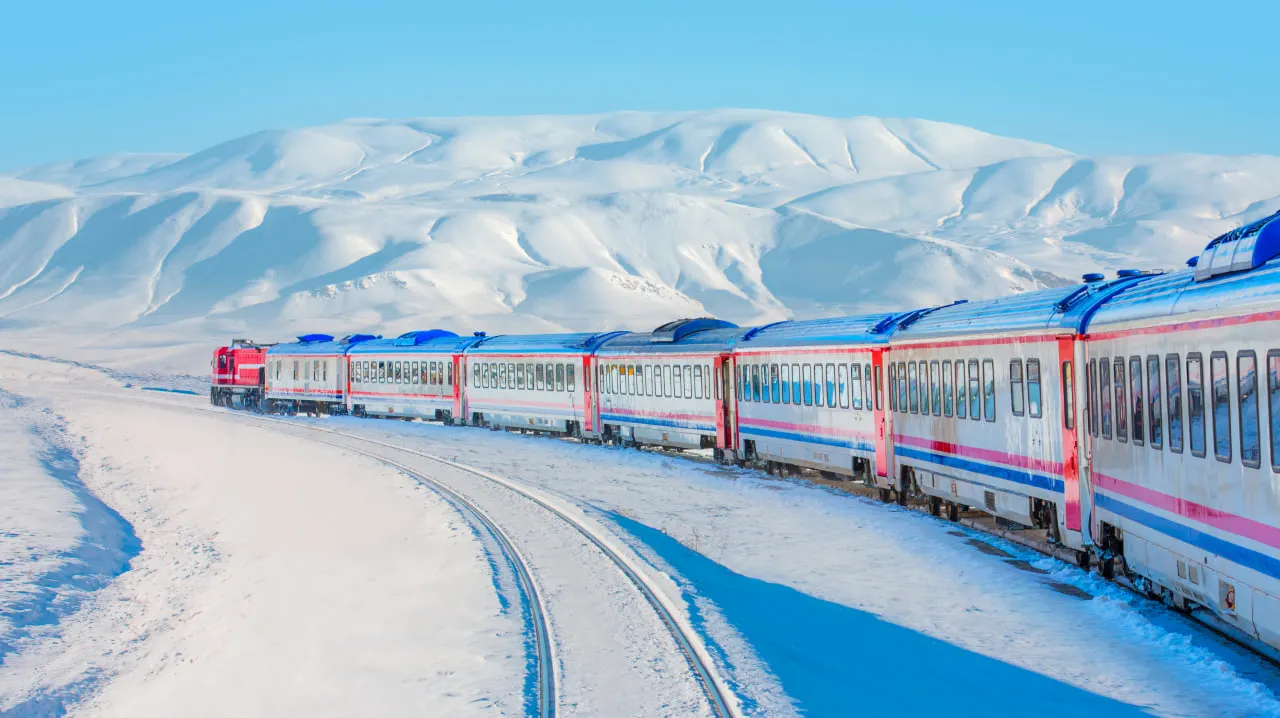
The Touristic Eastern Express departs from Ankara's historic railway station and reaches Kars via the cities of Kirikkale, Kayseri, Sivas, Erzincan, and Erzurum. Along the route, snow-covered mountains and winter nature landscapes can be observed. The train features sleeping compartments and a dining car for passengers.
The train heading from Ankara to Kars stops for 2.5 hours in Erzincan and 3.5 hours in Erzurum. While Erzincan draws attention with its unique landscapes along the Euphrates River, Erzurum is famous for local dishes such as the region-specific cağ kebab.
The final destination of the route is the city of Kars, around which the ancient city of Ani, Lake Çildir which freezes in winter, and the Sarikamiş ski center are located.
On the return journey, the train stops in Iliç, Divriği, and Sivas. Key attractions include the Dark Canyon in Iliç and traditional stone houses in Kemaliye, and the UNESCO World Heritage-listed Divriği Great Mosque and Hospital in Divriği.
The railway journey concludes in the capital Ankara, where historical monuments ranging from the Phrygian period to the modern Republic of Turkey are preserved.
Journey through the Western Black Sea region: Touristic Karaelmas Express
The Touristic Karaelmas Express, running to Turkey's Western Black Sea region, was launched as a tourist train in 2025. This railway route connects the cities of Ankara and Zonguldak.
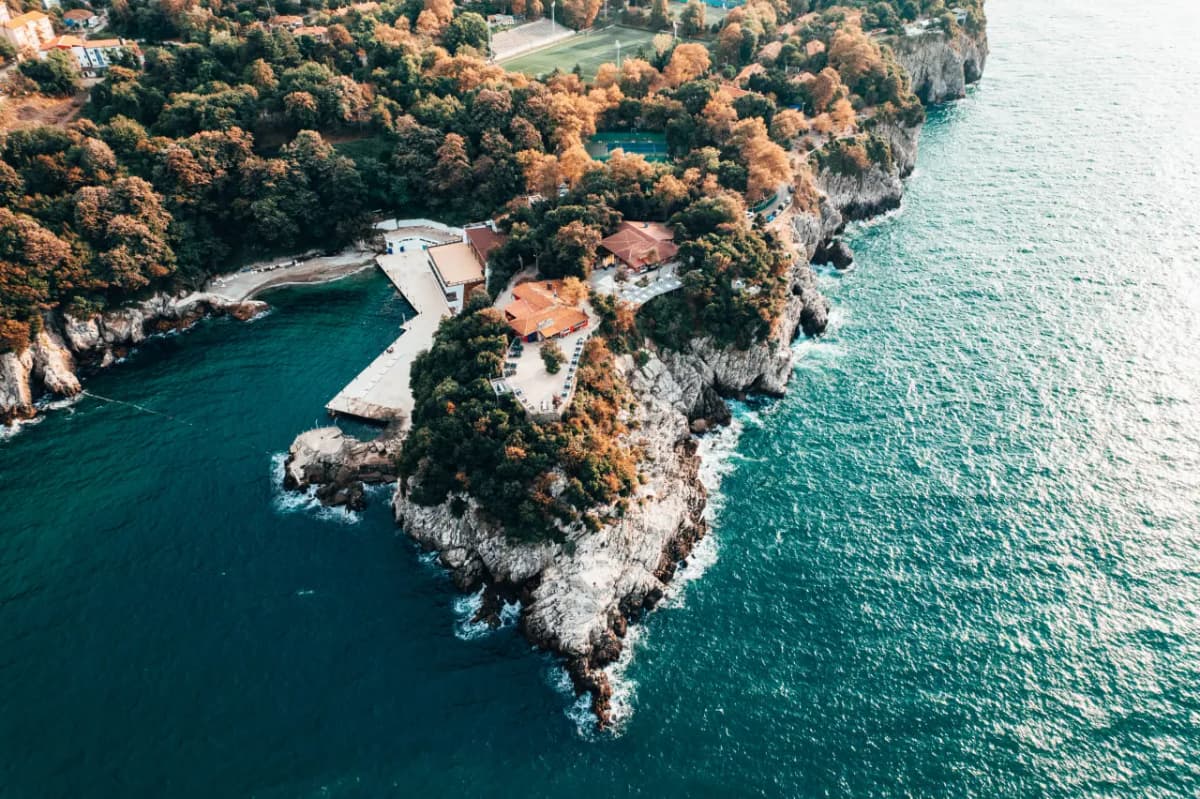
The train route passes through destinations such as Kalejik, Çankiri, Çerkeş, and Yenije, ending in the city of Zonguldak. Located relatively close to Istanbul, Zonguldak is one of the cities with the lush nature of the Western Black Sea region and a rich historical heritage related to the coal mining industry.
In the autumn season of 2026, trips of the Karaelmas Express from Ankara to Zonguldak operated every Friday from October 2 to November 13. A special stopover time was also allocated for tourists in Yenije.
Return trips were organized every Saturday from October 3 to November 14. On the return route from Zonguldak to Ankara, there is an opportunity to get acquainted with the historical monuments of the cities of Çankiri and Kalejik.
Short railway journey: Touristic Salt Express
The Touristic Salt Express connects Ankara, located in the center of Anatolia, with the city of Çankiri, famous for its salt industry. Launched in 2024, the four-car train operates single-day round trips every Saturday until November 28, 2026.
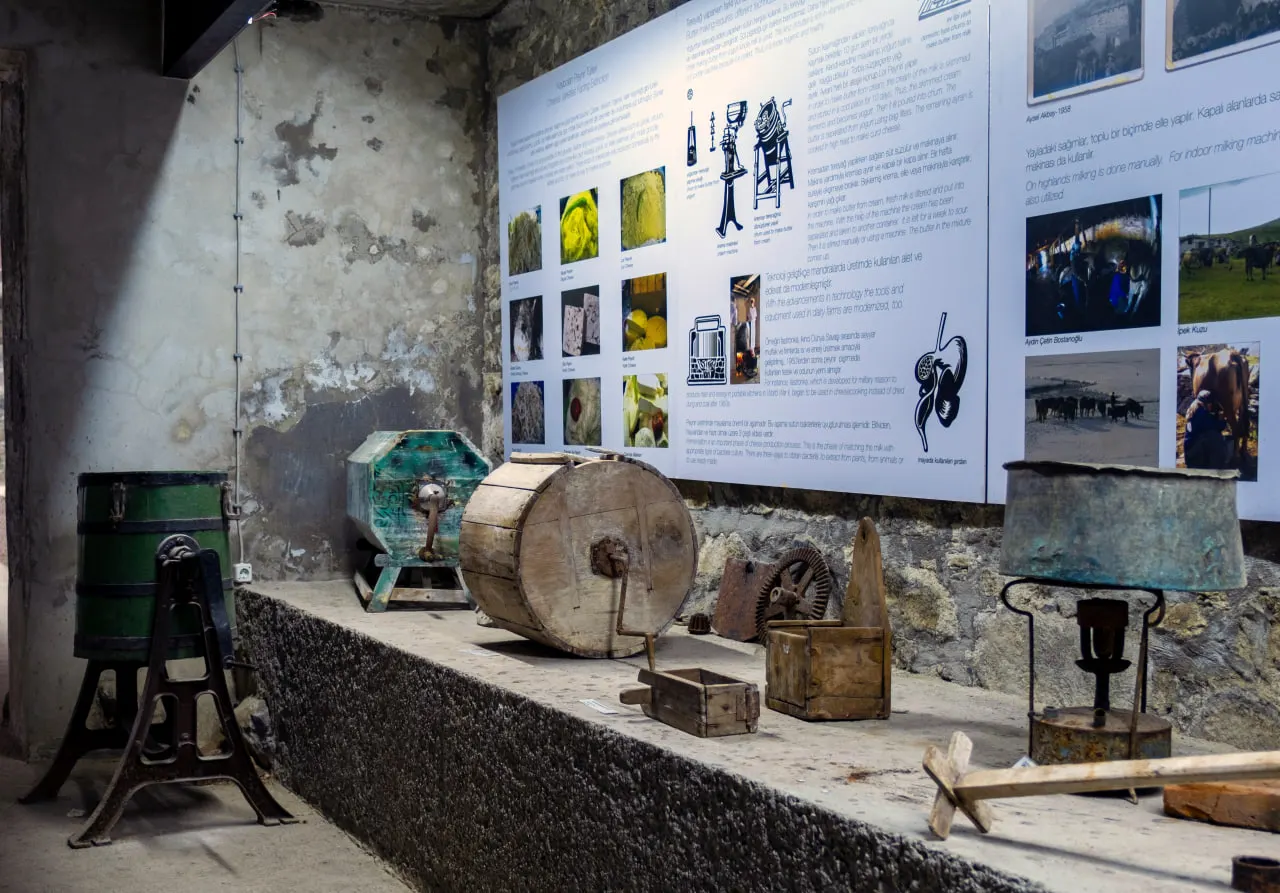
One of the main tourist attractions in the city of Çankiri is the Underground Salt Cave. In addition, the Historical Laundry Museum, Çankiri Regional Dishes and Culture House, and the Çankiri Museum provide an opportunity to get acquainted with the city's history, local cuisine, and cultural traditions.
Railway travels in Turkey cover various natural and historical areas. Some of the country's railway routes pass through snowy mountains, forested valleys, and historical cities. During the routes, there is also an opportunity to get acquainted with local dishes, the cultural heritage of the regions, and the lifestyle of the population.