Located in Turkey's Northern Aegean region and included in the UNESCO World Heritage list, the ancient city of Troy holds special significance as a historical monument. It is valued not only as a place that tells of the past, but also as an important cultural resource for literature, art, cinema, and scientific research. Today, Troy's heritage is presented to the general public through international cultural events, exhibitions, and scientific projects.
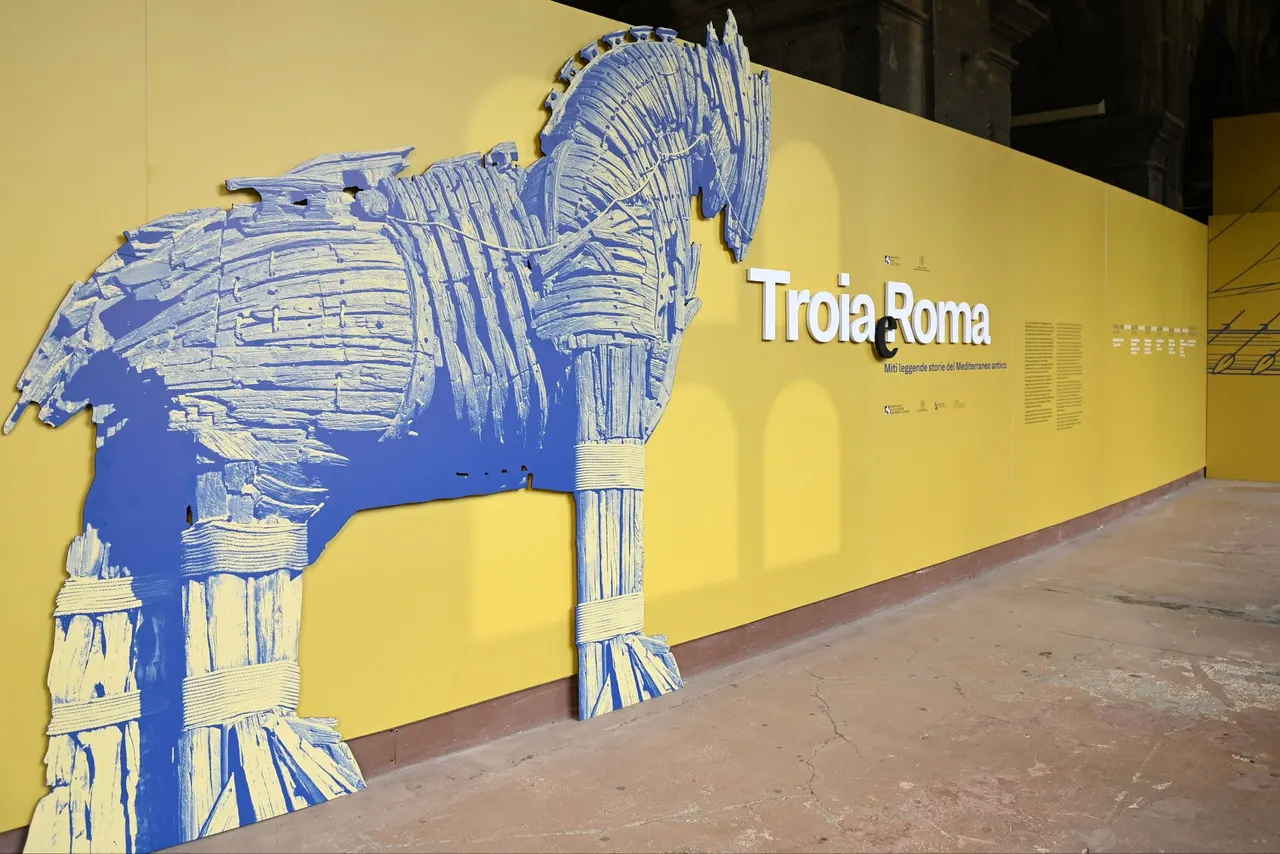
On June 11 of this year, a major exhibition dedicated to Trojan artifacts opened at the Colosseum in Rome. This exhibition is considered one of the most influential events showcasing Troy's heritage on an international scale in recent years.
The exhibition features 221 artifacts selected from 19 museums in Turkey. Among them are exhibits from the Troy Museum in Çanakkale. In addition, 50 rare items never before displayed in Italy and another 80 exhibits belonging to the collections of Italian museums are being presented to visitors. This exhibition not only reveals the broad scope of Troy's archaeological heritage but also once again demonstrates the ancient city's place in world cultural heritage.
Cultural and scientific events aimed at promoting Troy's heritage internationally continue in various countries. Following the conference and photo exhibition held at the Turkish House in New York, the ancient city's heritage will also be presented in the Netherlands. As part of the program, a special photo exhibition is scheduled to open on June 28 at the Yunus Emre Institute in Amsterdam, and a conference with the participation of Professor Rustem Aslan, head archaeologist of the Troy excavations, will be held on June 29 at Leiden University.
Such international conferences and exhibitions serve to expand historical and cultural perceptions of Troy. However, such events only provide a preliminary idea about the ancient city's heritage. To fully understand Troy's historical layers and archaeological environment, it is essential to visit the ancient city site itself, located 30 kilometers from the center of Çanakkale.
Toward nature, historical heritage, and legends
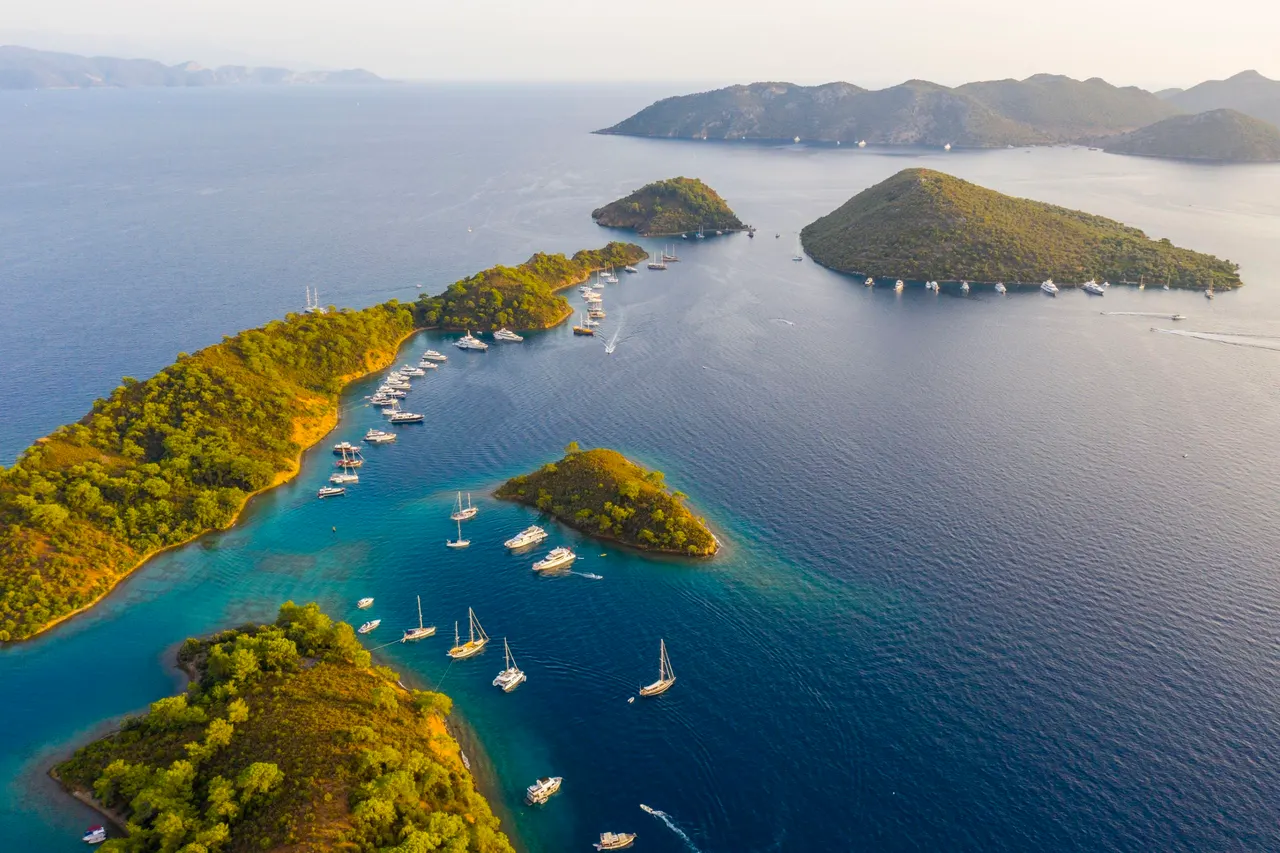
Çanakkale is one of the important regions situated in the northern part of the Aegean Sea, at the entrance to the Dardanelles Strait. The province stands out with its coastal landscapes, beaches, water sports, cycling routes, and winemaking traditions.
Çanakkale also holds a special place due to its historical significance. Locations associated with the Çanakkale Battle during the First World War, the Gallipoli or Dardanelles campaign, are visited today as sites of historical memory. Along the underwater routes in the region, shipwrecks from the war period can be seen.
The region's nature is also diverse. The lush green slopes of Mount Ida, the pristine waters of Assos, and the islands of Bozcaada and Gökçeada attract tourists with their unique atmosphere.
Troy: Layers of civilization
The ancient city of Troy is noteworthy as a monument encompassing various periods of ancient history. Troy is primarily known as the ancient city associated with Homer's epic poem, the Iliad. Legends about the Trojan War have caused this place to secure a firm place in world cultural memory. However, archaeological data shows that Troy was an important settlement inhabited by various cultures long before the legends. Included in the UNESCO World Heritage list, this monument reflects nearly 5,000 years of continuous living history from the Early Bronze Age to the Eastern Roman period. Today's research has identified ten separate cultural layers here.
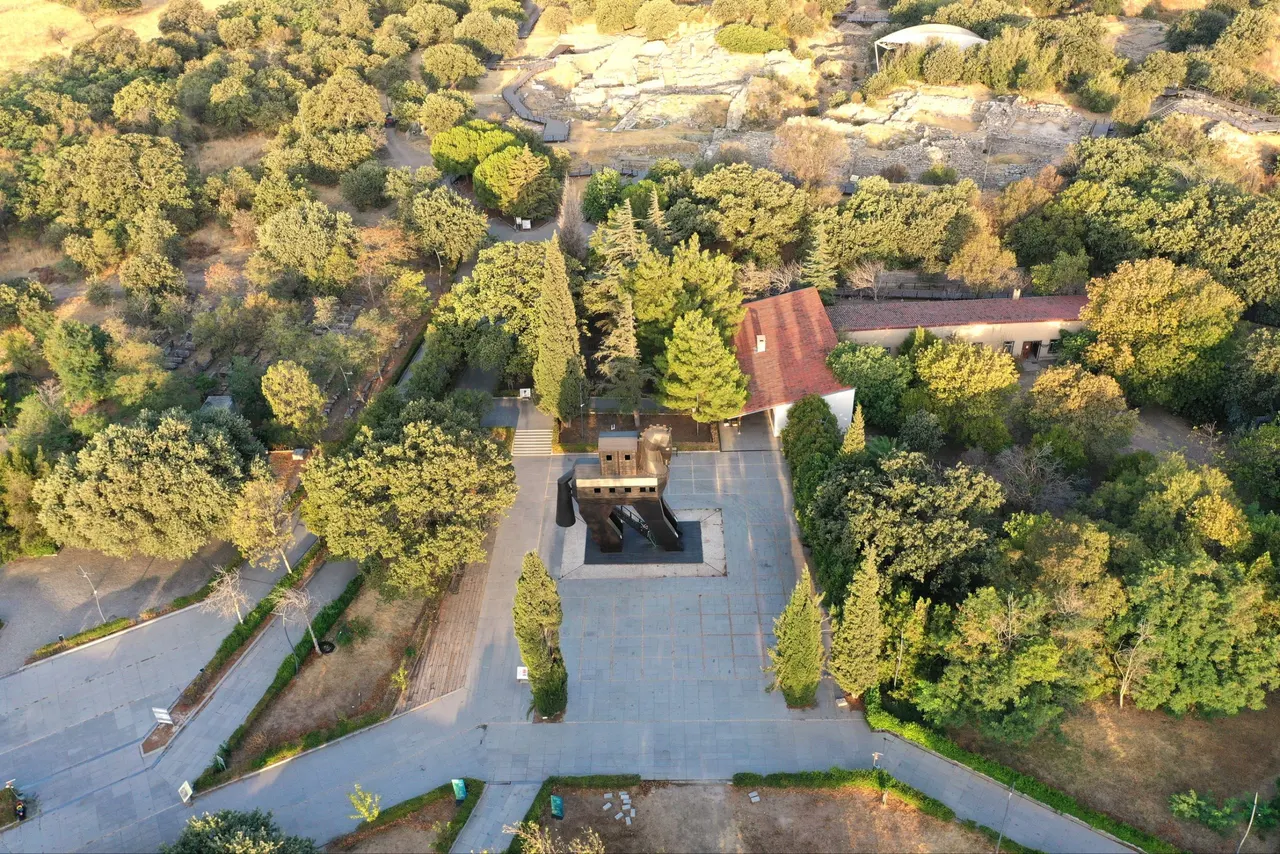
A giant wooden Trojan horse is installed at the entrance to Troy. This symbolic monument reminds visitors of the legendary imagery associated with the ancient city. Troy also plays an important role in myths concerning the origin of the Roman Empire. As described in Virgil's epic Aeneid, Prince Aeneas set out on a journey after the fall of Troy to find a "New Troy." The route known today as the "Aeneas Route" and recognized by the Council of Europe as a Cultural Route is connected precisely to this legend. According to the myth, Aeneas eventually reached the shores of Latium, and later his descendants founded the city of Rome in 753 BC.
Today, many historical traces can be seen in the ancient city area, ranging from Bronze Age defensive walls to the remains of the Roman-era Odeion and Bouleuterion. These monuments demonstrate Troy's cultural layers belonging to different periods.
The exploration of Troy is not limited to the ancient city area alone. Located at the entrance to the monument, the Troy Museum displays artifacts found during archaeological excavations carried out here. The museum's exhibition highlights Troy's multi-layered history based on a modern interpretation, serving as an important cultural space connecting the ancient city's past with today's viewer.