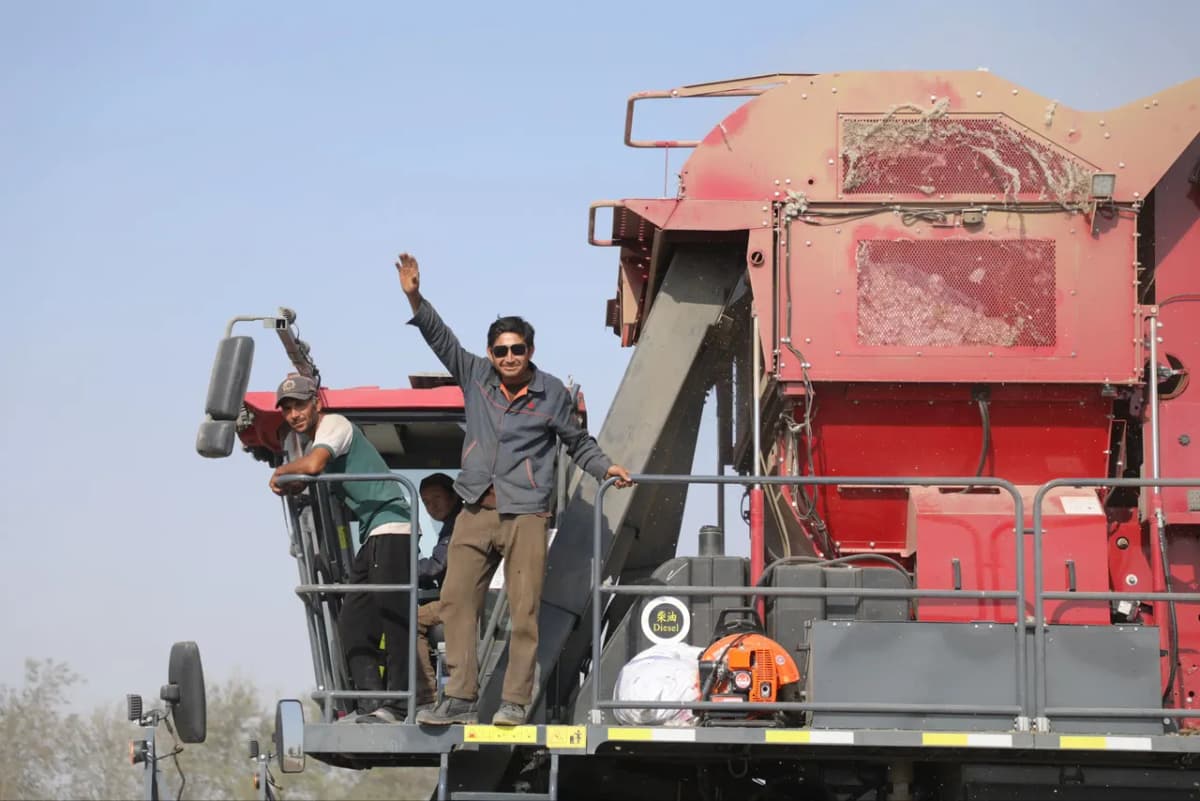
It is reported that some farmers have been given warnings stating, “We will take away your land.”
In recent days, serious appeals have been arriving from farmers to the Effet.uz news agency. They report that certain district administration representatives are stating that the land plots of farmers who fail to fulfill their cotton quota may be seized and given to other individuals, or even to foreign investors. If such cases are confirmed, they must be given a legal assessment.
So, what grounds exist in current legislation to seize the land of a farmer who has failed to fulfill the cotton quota?
The Land Code establishes clear grounds for terminating the right to use land. Among them are using the land for unauthorized purposes, irrational use of land, decline in soil fertility, and systematic failure to pay rent. Therefore, the failure to fulfill a one-year cotton quota does not automatically equate to seizing the land.
Furthermore, the Land Code specifies that the early termination of a lease agreement for a land plot is carried out by agreement of the parties, or in the absence of an agreement, by a court decision.
What does Decree No. PF-68 state?
Decree No. PF-68 dated April 24, 2026, aims to ensure the independence of agricultural producers in land use. The document establishes that entities specialized in cotton and grain growing can voluntarily relinquish their lease rights to 50 percent of their total land area. In other words, this norm is not a forced relinquishment of land by the farmer, but a voluntary mechanism provided for by legislation.
What about allocating land to foreign investors?
There is an important aspect here as well. Decree No. PF-68 provides for a mechanism to sublease certain lands to foreign investors. However, the document specifies this procedure with respect to virgin, rainfed, and pasture lands, subject to new development and return to use.
Therefore, it is incorrect to interpret this norm as meaning that a farmer's land leased for cotton cultivation in practice can be taken and given to any foreign investor under the pretext that they “did not fulfill the plan.”
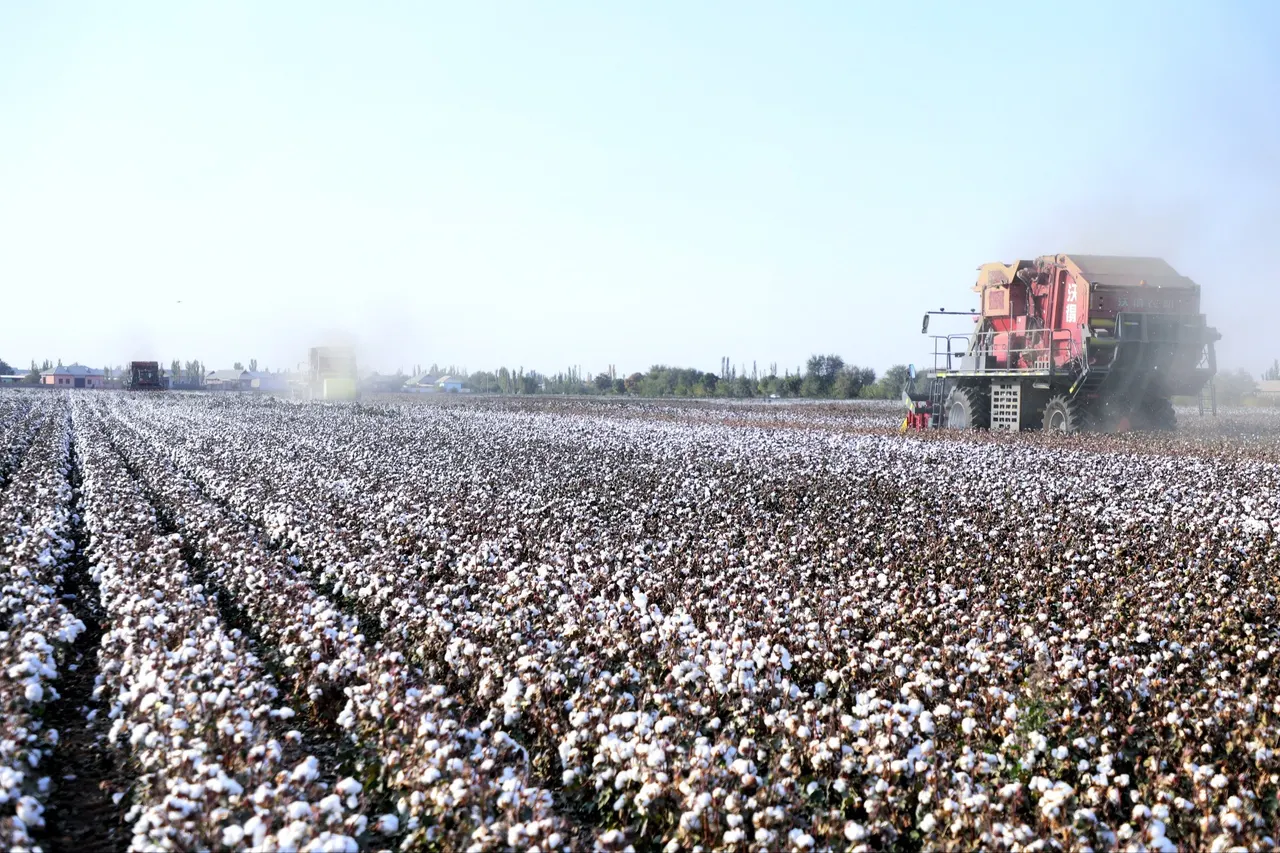
Resolution No. PQ-354 dated September 28, 2026, aims to financially support agricultural entities, improve subsidies, and risk management mechanisms.
What should farmers know?
If a farmer is being asked to surrender land or relinquish lease rights, they must first request the written legal basis for this demand.
If the failure to meet the cotton quota was caused by objective factors such as water supply, financing, seeds, weather, or others, it is important to gather supporting documents. Most importantly, the issue of forcing a farmer to write an application to relinquish land must receive a separate legal evaluation.
Therefore, the mere fact that a farmer failed to fulfill the cotton quota is not enough — the question of whether there are established grounds and procedures in legislation to terminate the right to use land must come first.
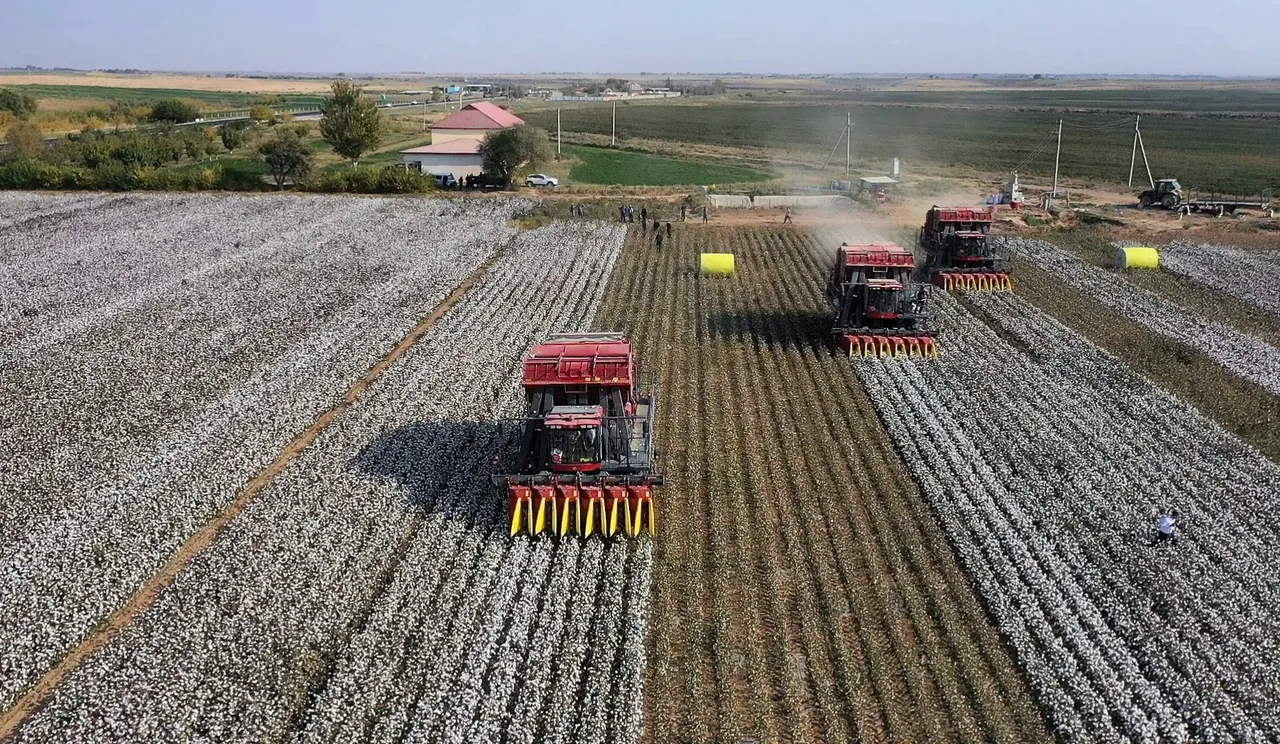
If certain officials are exerting pressure on farmers with the message, “If you don't fulfill the plan, we will take your land and give it to an investor,” these cases must be investigated based on documents and, if confirmed, given a legal assessment.
Fortunately, decisions on this matter are determined by the law, not verbal warnings.