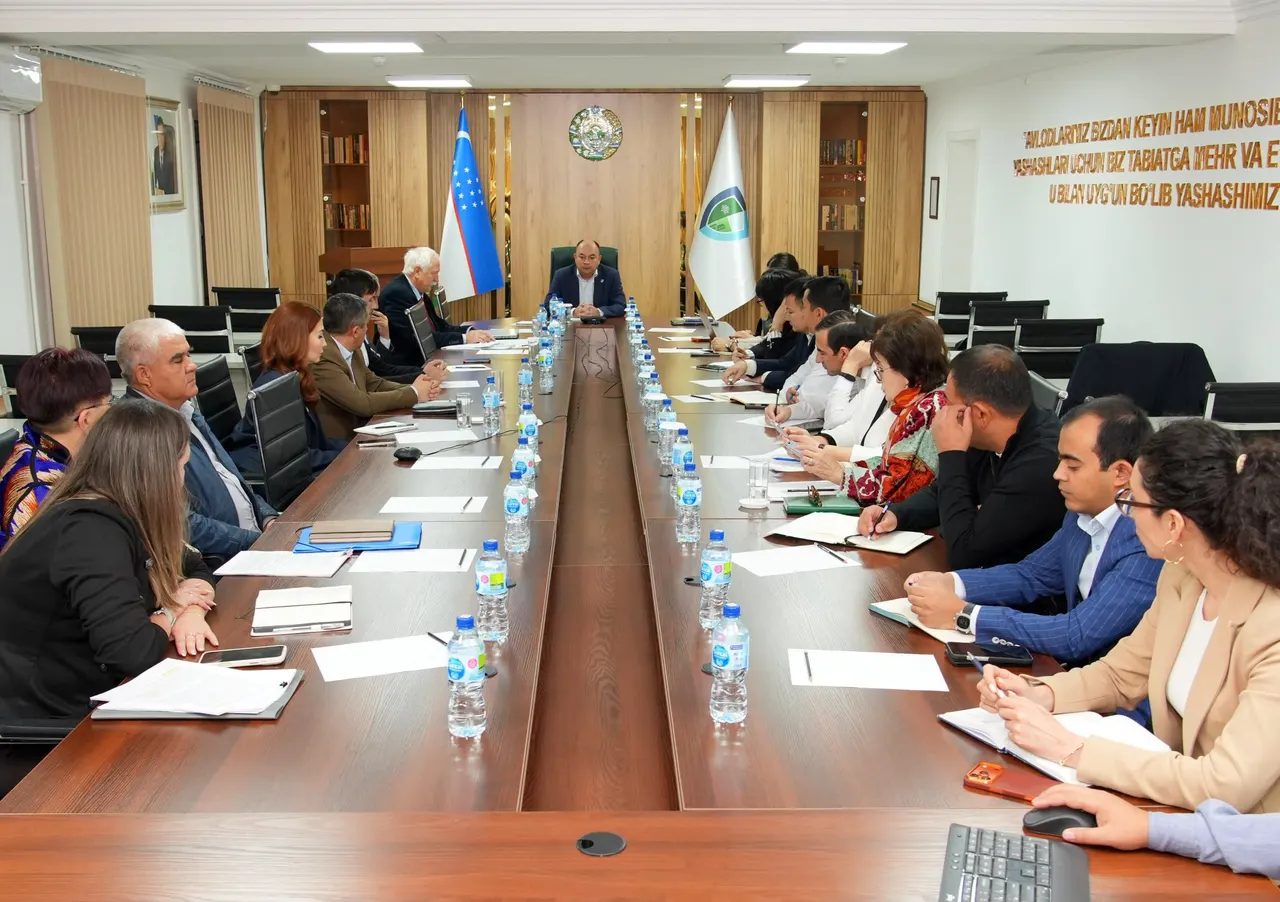
On October 14, 2026, the first meeting of the Interdepartmental Working Group on the introduction of best available technologies (BAT) and advanced environmental protection practices took place in Tashkent at the Center for State Ecological Expertise under the National Committee for Ecology and Climate Change of the Republic of Uzbekistan. Organized with the technical support of the World Bank Group, the event aimed to form a systematic approach to the ecological modernization of industrial enterprises in Uzbekistan. The meeting was attended by the leadership and specialists of the Center for State Ecological Expertise, representatives of relevant ministries and departments, industrial enterprises, research organizations and industry associations, as well as international experts from the World Bank Group.
The main objective of the meeting was to discuss the draft Roadmap for the phased transition of priority industrial sectors to BAT. It envisages the introduction of modern technological solutions, the reduction of pollutant emissions, increasing the efficiency of energy and water resource use, and minimizing the negative environmental impact of production activities.
During the meeting, representatives of the Center for State Ecological Expertise, in cooperation with international experts from the World Bank Group, presented the conceptual and methodological approaches for developing the national BAT system, the initial testing results of the proposed methodology, and the draft Roadmap covering the period until the end of 2028.
For the initial development of sectoral reference documents on BAT, the cement industry, mineral fertilizer production, thermal energy and large boiler installations have been identified as priority areas. The selection of these sectors is primarily related to the need to reduce industrial pollution and increase the environmental efficiency of energy-intensive production.
Participants also paid special attention to the issues of forming national reference documents on BAT, taking into account international experience and the operational characteristics of Uzbekistan's enterprises. These reference documents are expected to serve as a methodological basis for setting achievable indicators of environmental and resource efficiency, selecting optimal technological solutions, and consistently modernizing operating manufacturing enterprises.
The introduction of BAT is viewed not only as a tool for complying with environmental protection requirements, but also as an opportunity to increase the competitiveness of domestic industry. In this regard, reducing production costs, rational use of raw materials, water and energy, reducing waste generation, and introducing circular economy principles are of great importance.
During the discussions, special attention was also paid to improving the systems of environmental regulation, production monitoring, and enterprise reporting. The participants reviewed issues of forming a reliable database on the actual amount of pollutants emitted into the atmosphere by enterprises, technological indicators of production processes, and resource use efficiency. Such data are necessary for an objective assessment of the current ecological status of enterprises and for determining realistic deadlines for their transition to BAT.
Within the framework of the draft Roadmap, mechanisms for the institutional support of work in this direction were also considered. In particular, issues of establishing sectoral and thematic expert groups, developing the capacity of national experts, training specialists, and improving the relevant regulatory framework were discussed.
The necessity of forming economic incentives for the ecological modernization of enterprises, attracting investments, and utilizing the opportunities of international financial institutions in implementing projects aimed at increasing energy efficiency and reducing industrial pollution was also emphasized.
During the group discussions, representatives of interested organizations reviewed issues of the areas proposed in the Roadmap, interdepartmental cooperation, information provision, financing, and the implementation of measures for introducing BAT. The results of the discussions and proposals expressed by the participants will be used to further improve the draft Roadmap, clarify its implementation mechanisms, and determine priority tasks for sectoral expert groups.
The introduction of best available technologies is one of the important directions in Uzbekistan's transition to a model of ecologically sustainable industrial development. The consistent implementation of this approach will create conditions for the technological modernization of enterprises, reduction of environmental pollution, increase in production efficiency, and improvement of the quality of life of the population.
The Center for State Ecological Expertise, together with state bodies, industrial enterprises, the scientific community, and international partners, will continue its work on developing the national BAT system.
Practical mechanisms for transitioning industry to best available technologies discussed in Uzbekistan
Administrator57 min ago6 views
Share:
Related News
Uzbekistan
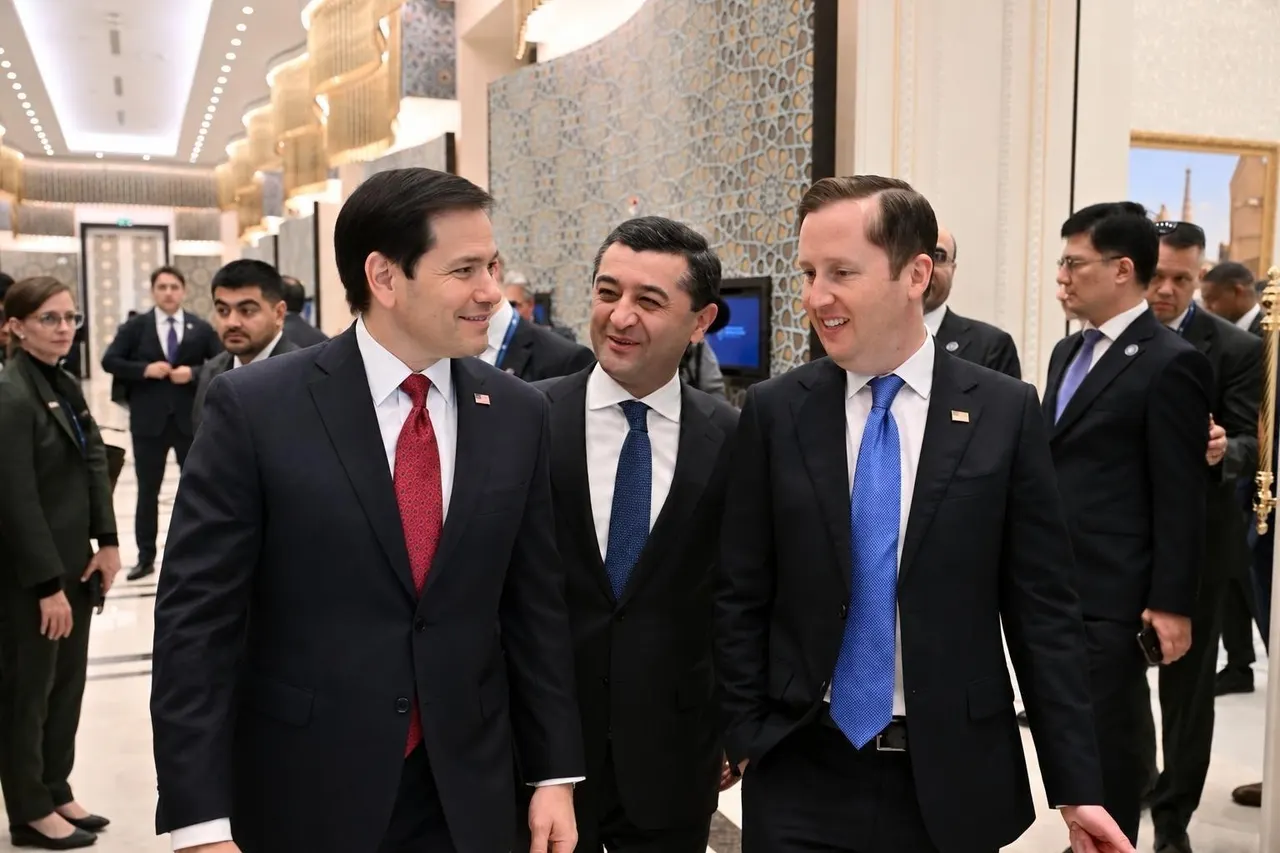
Baxtiyor Saidov participates in an exhibition dedicated to the history of Uzbekistan and the US alongside Marco Rubio
2 h ago21
Uzbekistan
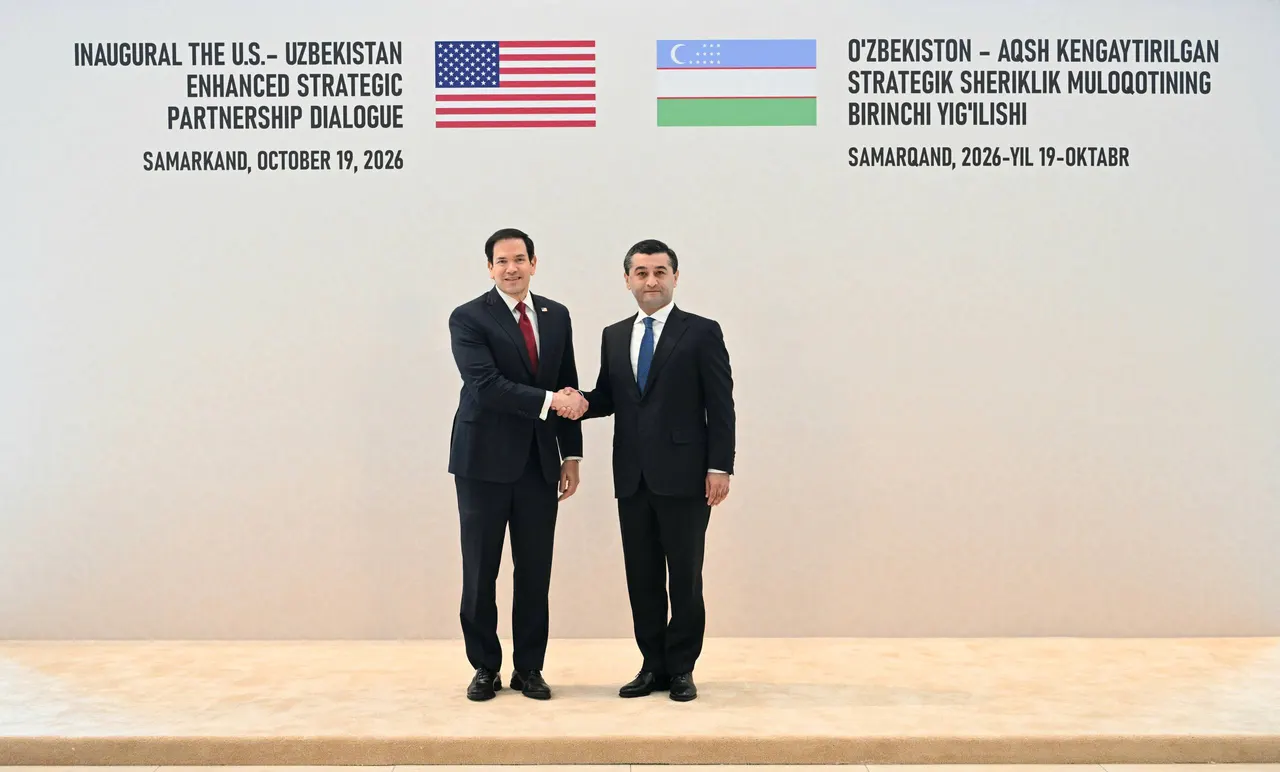
Uzbekistan and the US hold the first meeting of the enhanced strategic partnership dialogue
4 h ago18
Uzbekistan
A woman was detained in Tashkent on suspicion of smuggling hashish hidden inside a doll
5 h ago33

Uzbekistan
Uzbekistan-US relations: What has changed in 11 years?
October 18, 2026, 15:4143