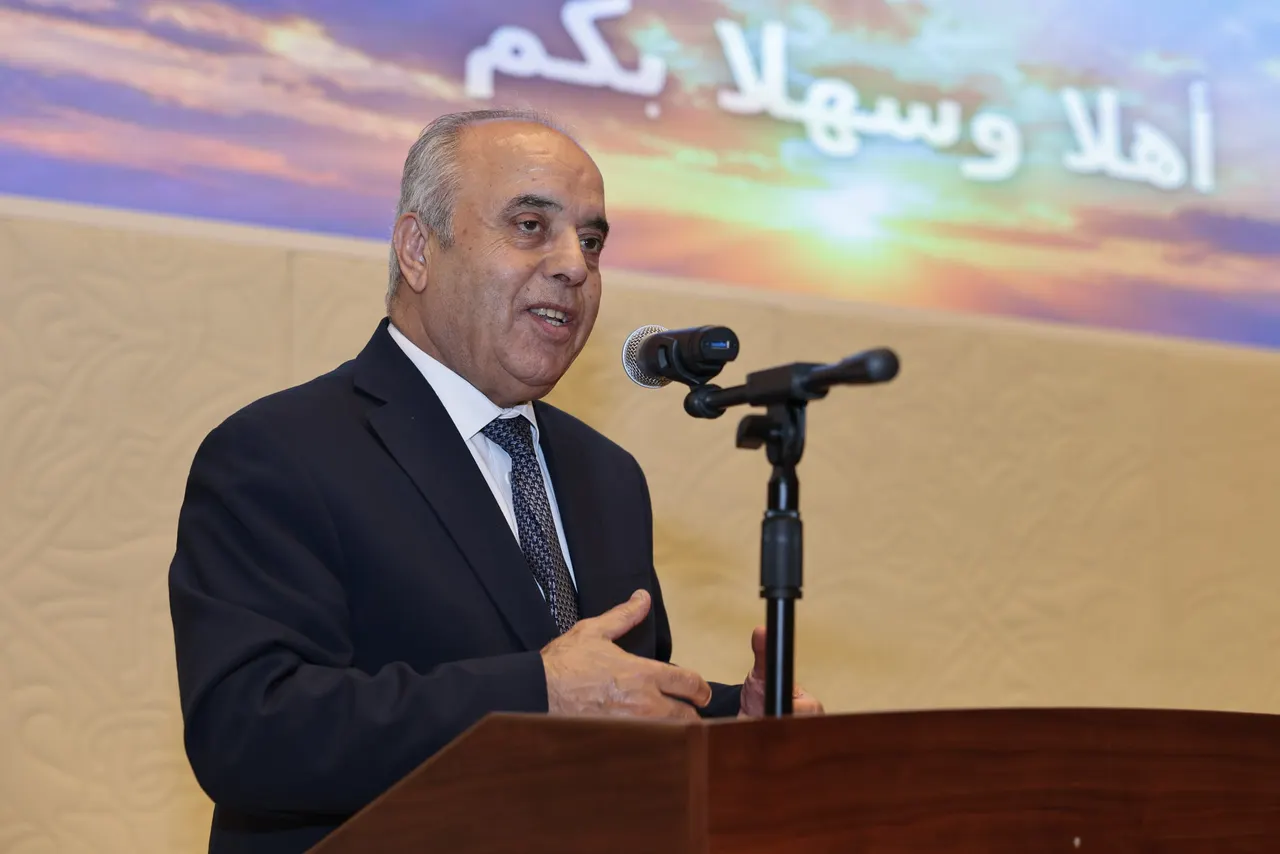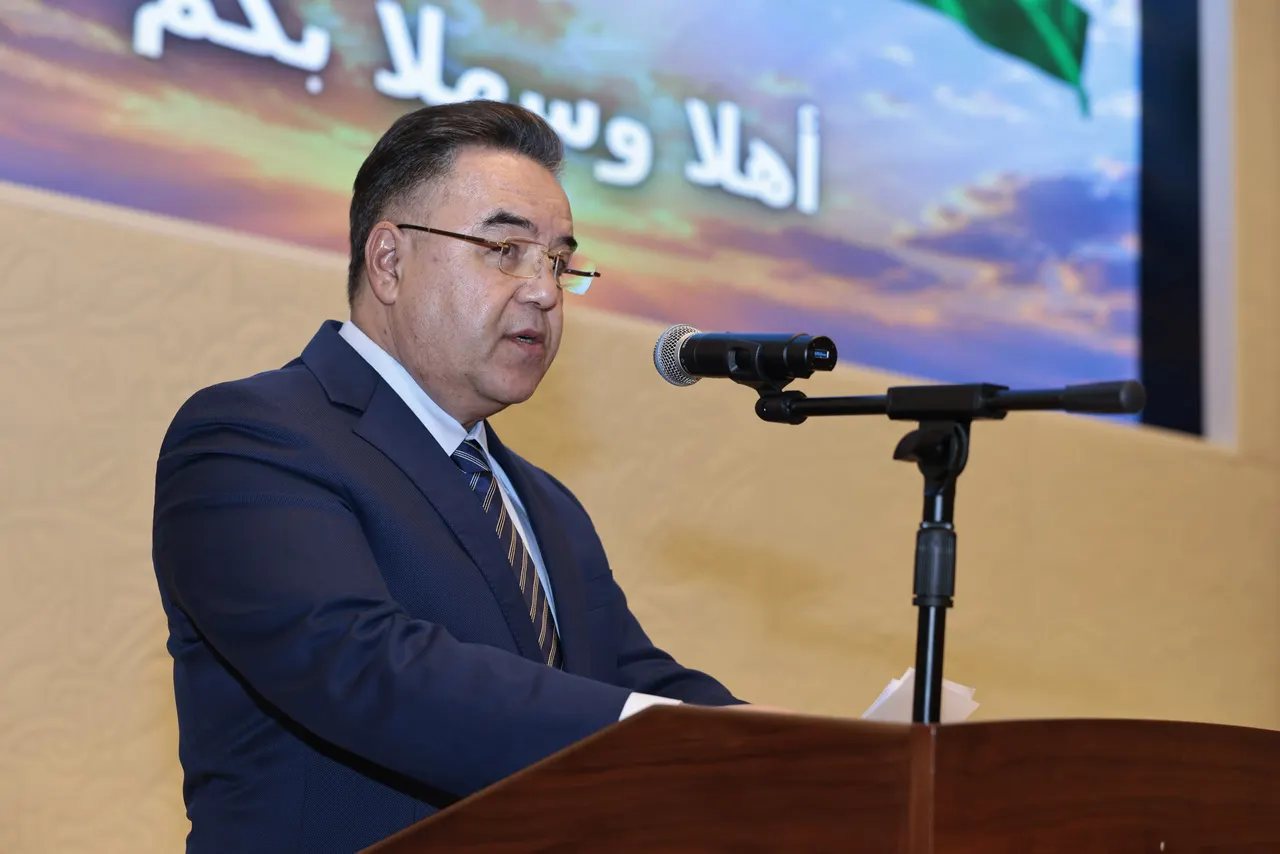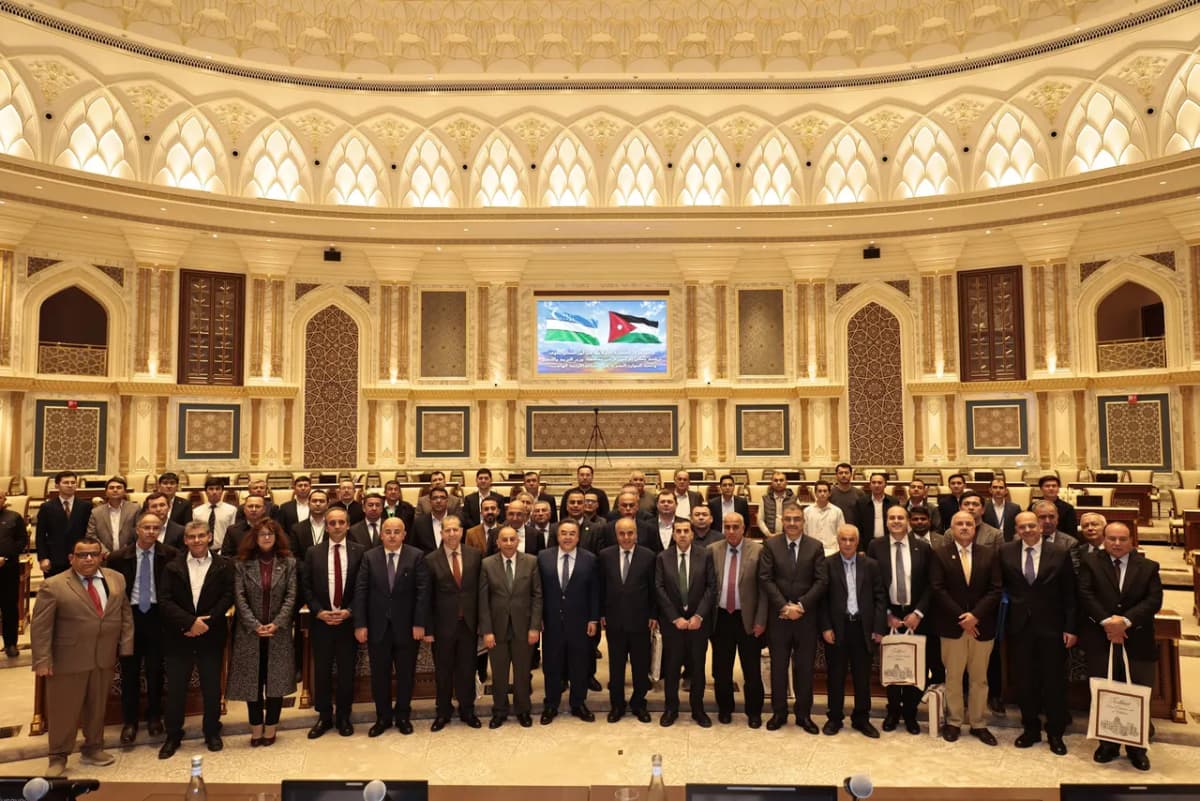
On November 16, a delegation led by Professor Azmi Mahfaza, Minister of Education and Human Resources Development of the Hashemite Kingdom of Jordan, visited the Center of Islamic Civilization in Uzbekistan. The guests were welcomed by Firdavs Abdukhalikov, Director of the Center.
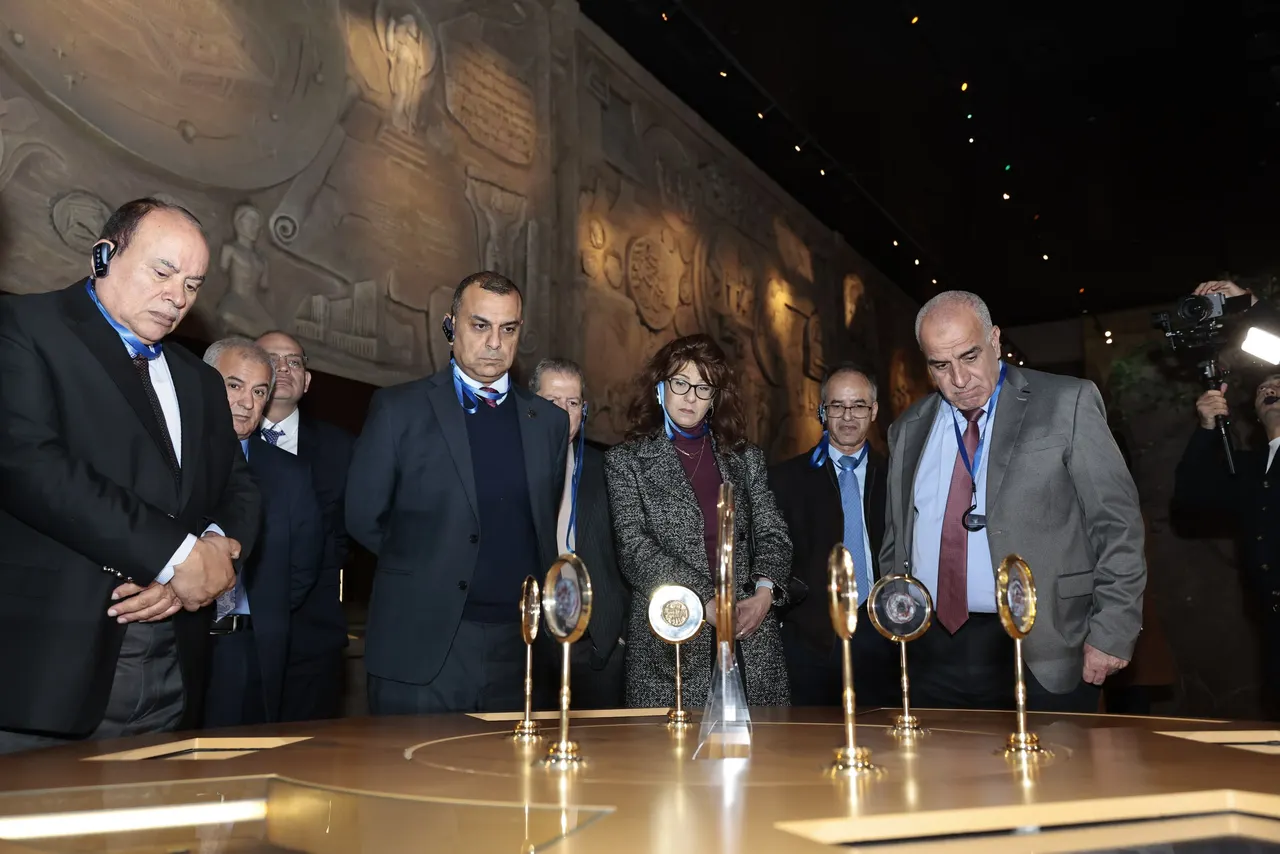
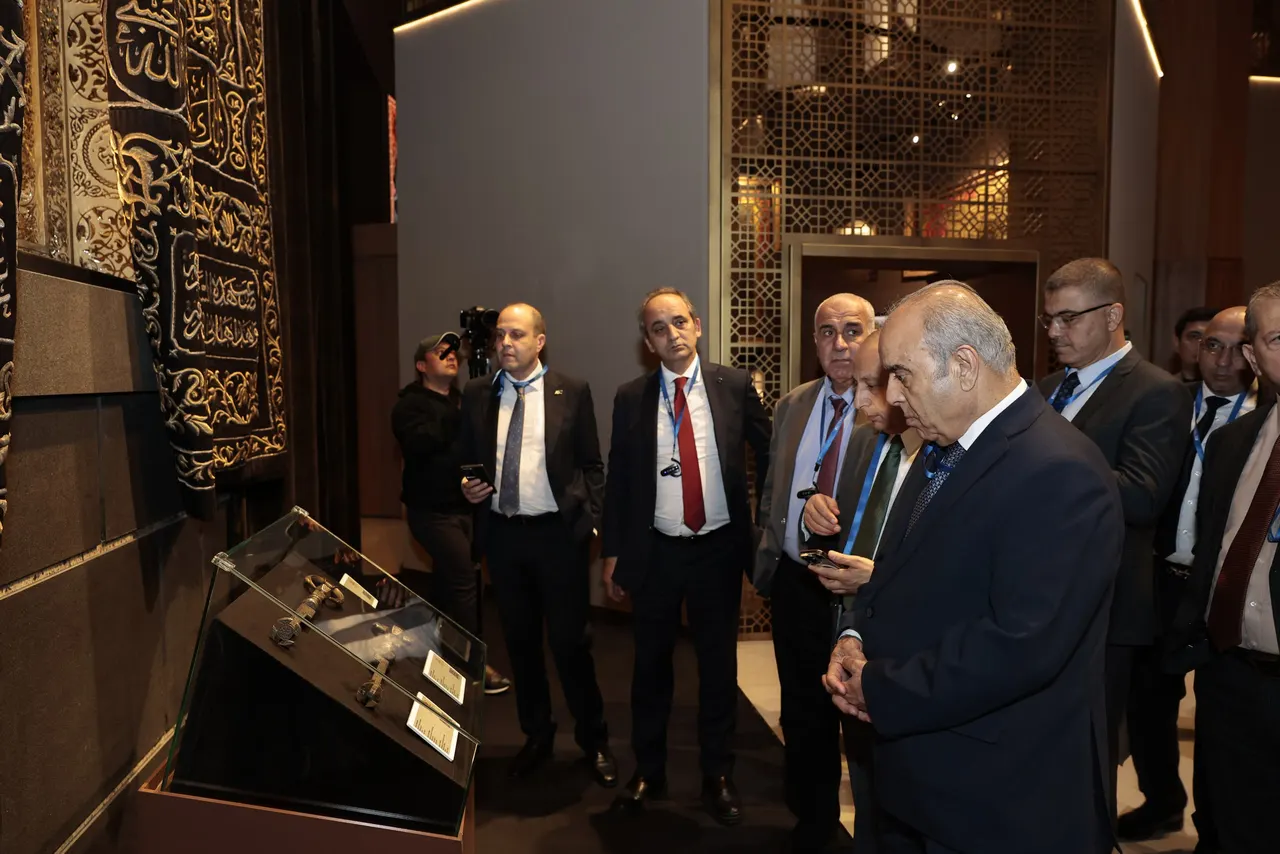
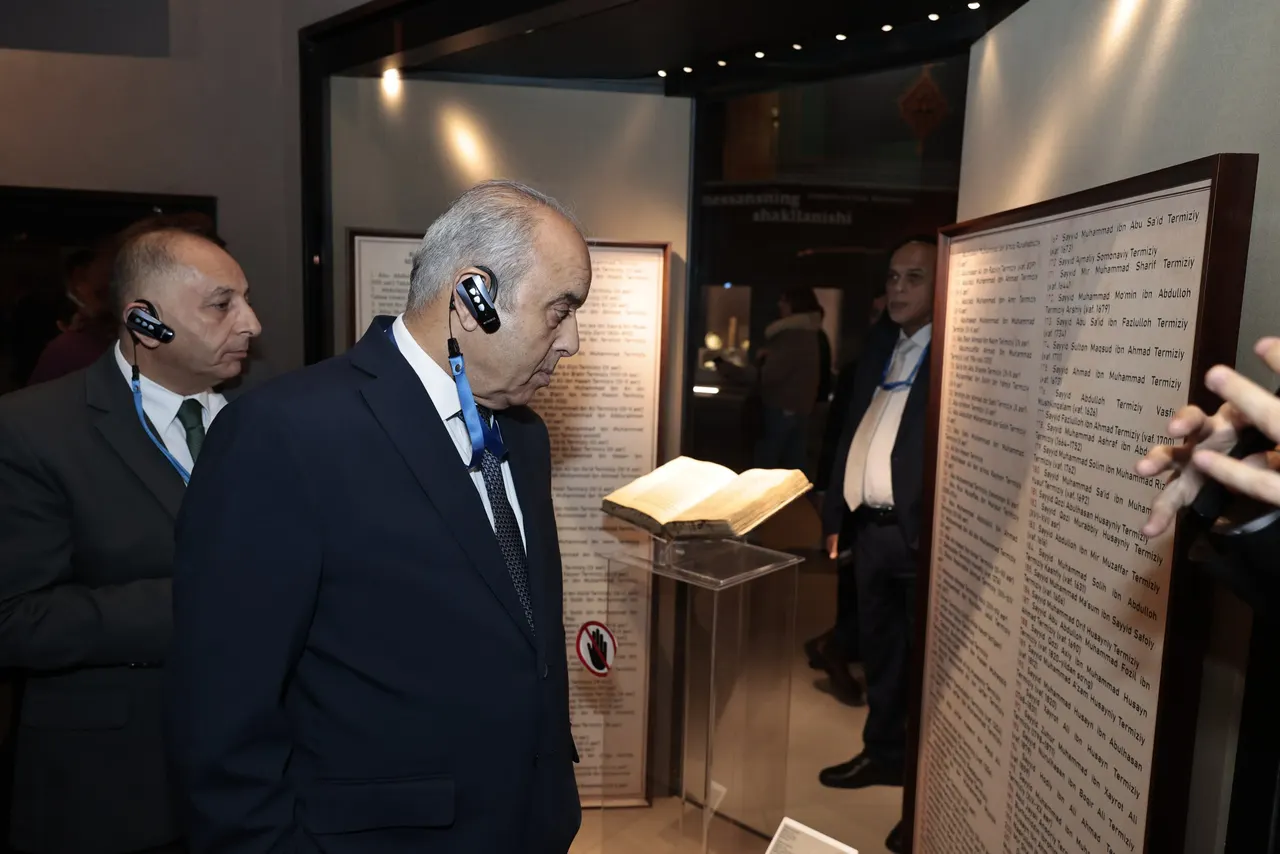
During the visit, members of the delegation familiarized themselves with the museum expositions of the Center. They were provided with information about the centuries-old history of Islamic civilization, the contribution of great scholars raised on the soil of Mawarannahr to the development of world science and civilization, rare manuscripts, and historical artifacts. The guests also viewed the exhibit of the holy Kaaba kiswa.
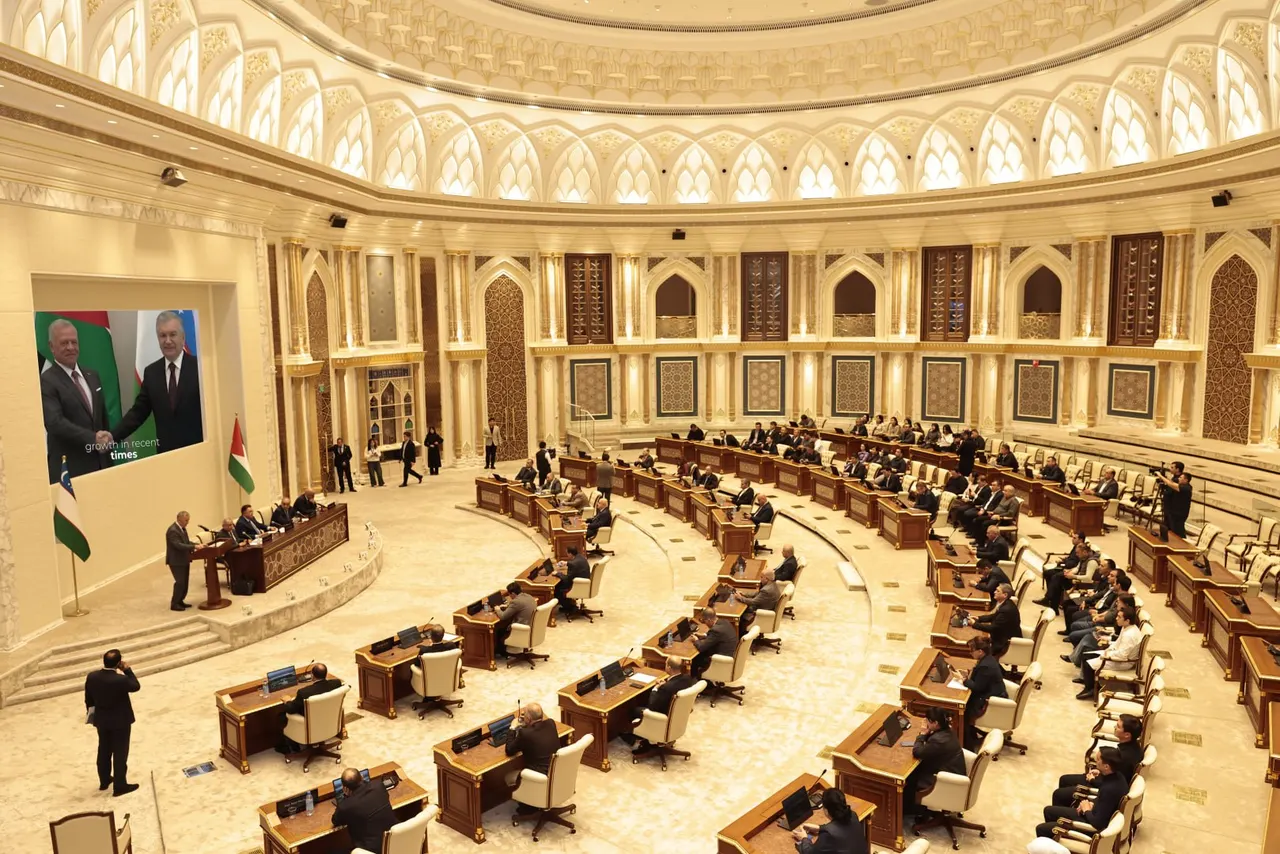
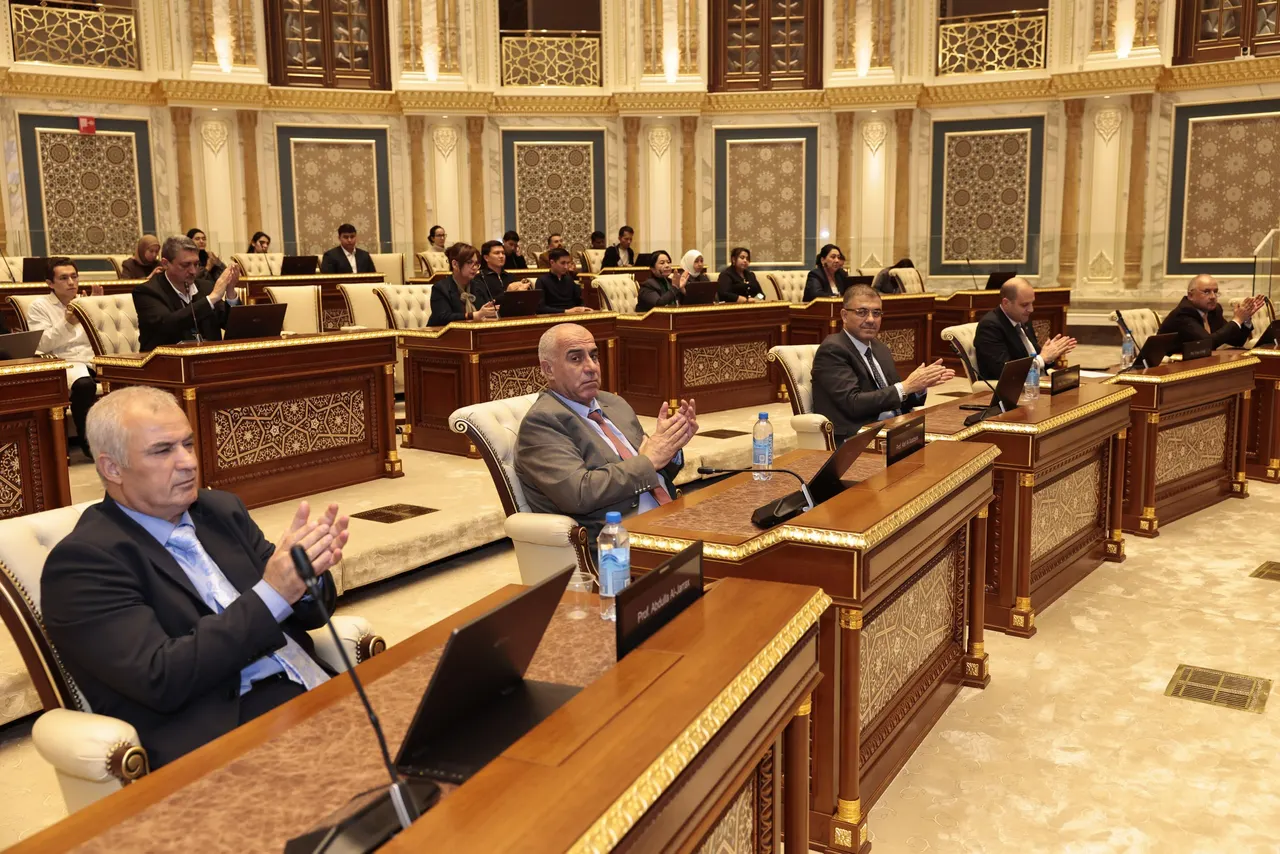
Afterwards, an official meeting took place in the Conference Hall of the Center. It discussed prospects for cooperation in strengthening friendly relations between Uzbekistan and Jordan, as well as studying education, science, culture, and our shared historical and spiritual heritage.
Center Director Firdavs Abdukhalikov noted that relations between the two countries have reached a new stage in recent years. In particular, it was noted that the visit of King Abdullah II ibn al-Hussein of Jordan to Uzbekistan in August 2025, the negotiations held in Samarkand with President Shavkat Mirziyoyev, and the bilateral documents signed at their conclusion defined new directions for cooperation.
Attention was also drawn to the international scientific and educational significance of the Center and its role in developing educational dialogue among various countries. Firdavs Abdukhalikov emphasized that the peoples of Uzbekistan and Jordan are bound by shared religious values, a rich historical heritage, and a common contribution to the development of Islamic civilization.
According to him, there are broad opportunities for developing ties between the research institutions, universities, libraries, and museums of the two countries. In particular, issues of conducting joint scientific research, studying and digitizing manuscript sources, exchanging exhibitions, preparing scientific publications, and establishing expert experience exchange were noted as priority areas of cooperation.
At the meeting, it was also announced that preparations are underway by the Center's team for presentations scheduled to be held on November 19–20 in the Jordanian capital of Amman. It was emphasized that these events serve to develop scientific and cultural ties between the two countries and advance new cooperation initiatives.
In turn, Jordanian Minister of Education and Human Resources Development Azmi Mahfaza shared his impressions of the Center's activities and museum expositions. He highly praised the architectural solution, content, and opportunities for showcasing the historical heritage of the complex.
According to the Minister, the expositions allow for an understanding of the depth of historical ties connecting Uzbekistan, Jordan, and other countries in the region. He also noted that the two peoples share a common history and the heritage of great scholars, touching upon the importance of such institutions in preserving and passing down national history, religious and spiritual values to future generations.
Azmi Mahfaza also emphasized that under the leadership of Uzbekistan President Shavkat Mirziyoyev and Jordan King Abdullah II, cooperation between the two countries is developing consistently. It was noted that high-level visits and reached agreements are creating new opportunities to further expand educational and cultural ties.
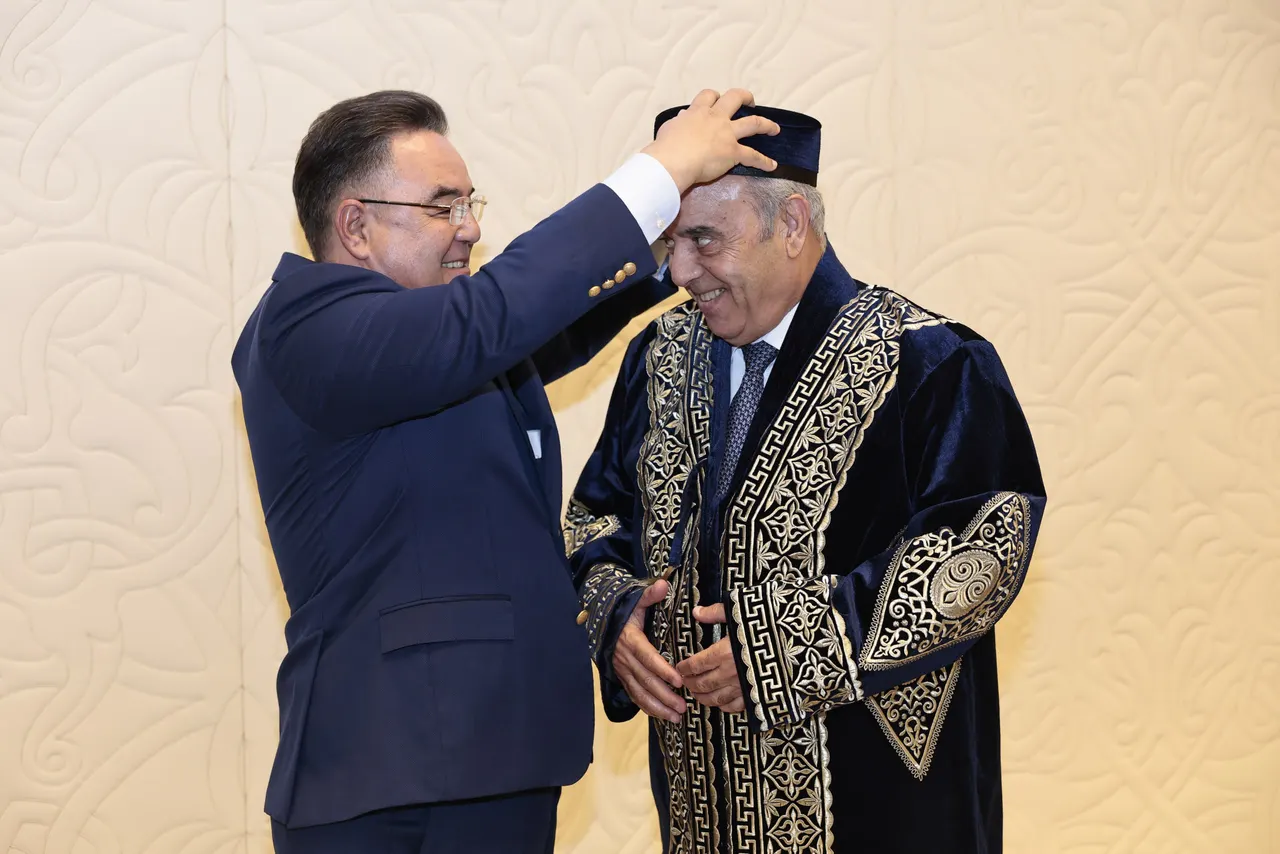
At the end of the meeting, commemorative gifts were presented on behalf of the Center to the head of the Jordanian delegation, Azmi Mahfaza. The Minister also left his note in the Center's Honorary Guest Book.
This visit served as a platform for dialogue on expanding scientific, educational, and cultural ties between the two countries, studying the shared historical heritage, and implementing joint initiatives.