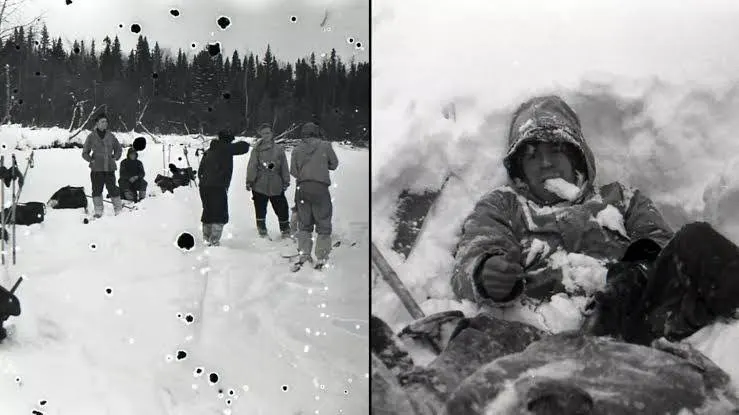
Imagine you are in the mountains with your friends. The surroundings are covered in thick snow. The temperature is below zero. A freezing wind is blowing outside. You are wearing warm clothes and preparing to sleep inside a tent. However, something happens during the night. You and your companions become so terrified that you do not even attempt to open the door to exit the tent. You cut the fabric from the inside and run half-naked toward the dark mountain...
00:00-01:30 The Last Night
The scariest part is that no one is waiting for you outside. There is no shelter, no adequate clothing, and no safe path. In 1959, a tragedy exactly like this occurred in the Ural Mountains. Nine experienced hikers died. Rescuers found their tent, and later, bodies were discovered under the snow, among the trees, and on the mountain slope.
Some of their bodies bore severe injuries. Others died from the cold. Certain details of the incident have captured people's imaginations for decades. So, what frightened them in the mountains? Why did they leave the tent without even taking their warm clothes?
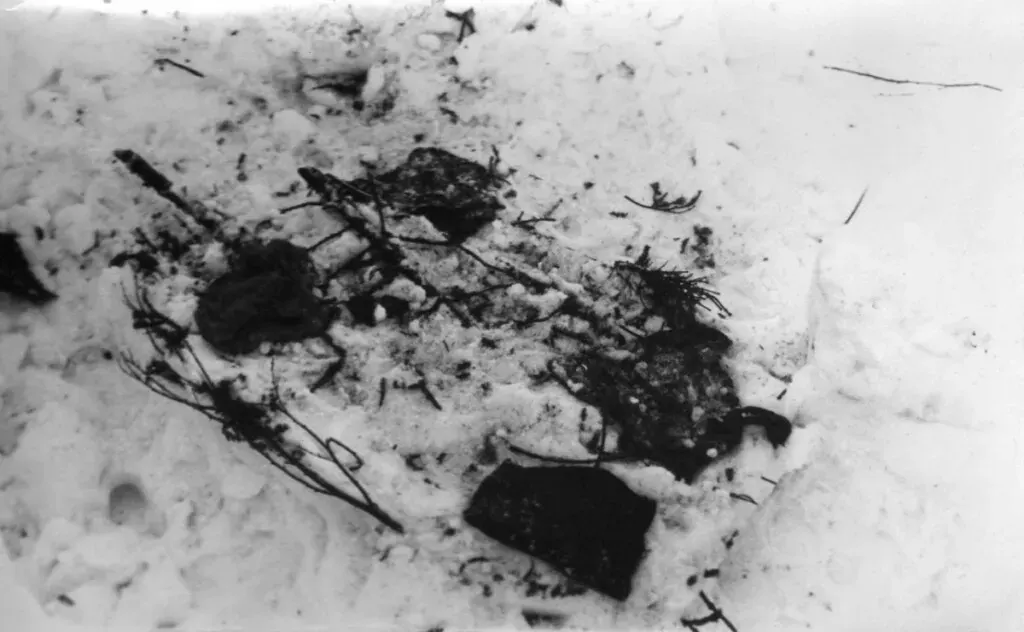
Was it a natural disaster, a human factor, or are there other details we still do not understand? Today, we examine the mystery of the Dyatlov Pass based on documents, forensic data, and scientific research. And most importantly, we will try to separate actual evidence from legends spread over the years.
01:30–04:00 THE NINE WHO HEADED TO THE MOUNTAINS
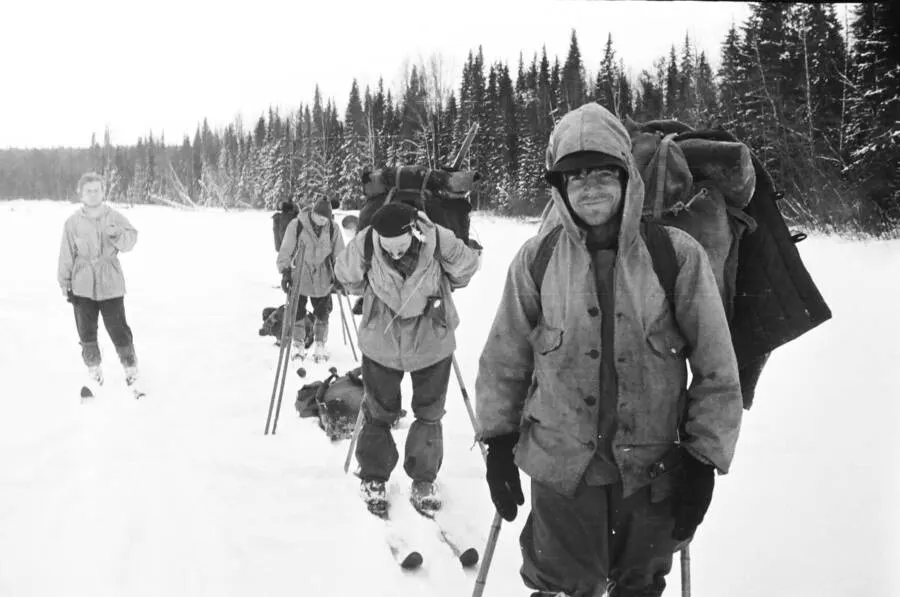
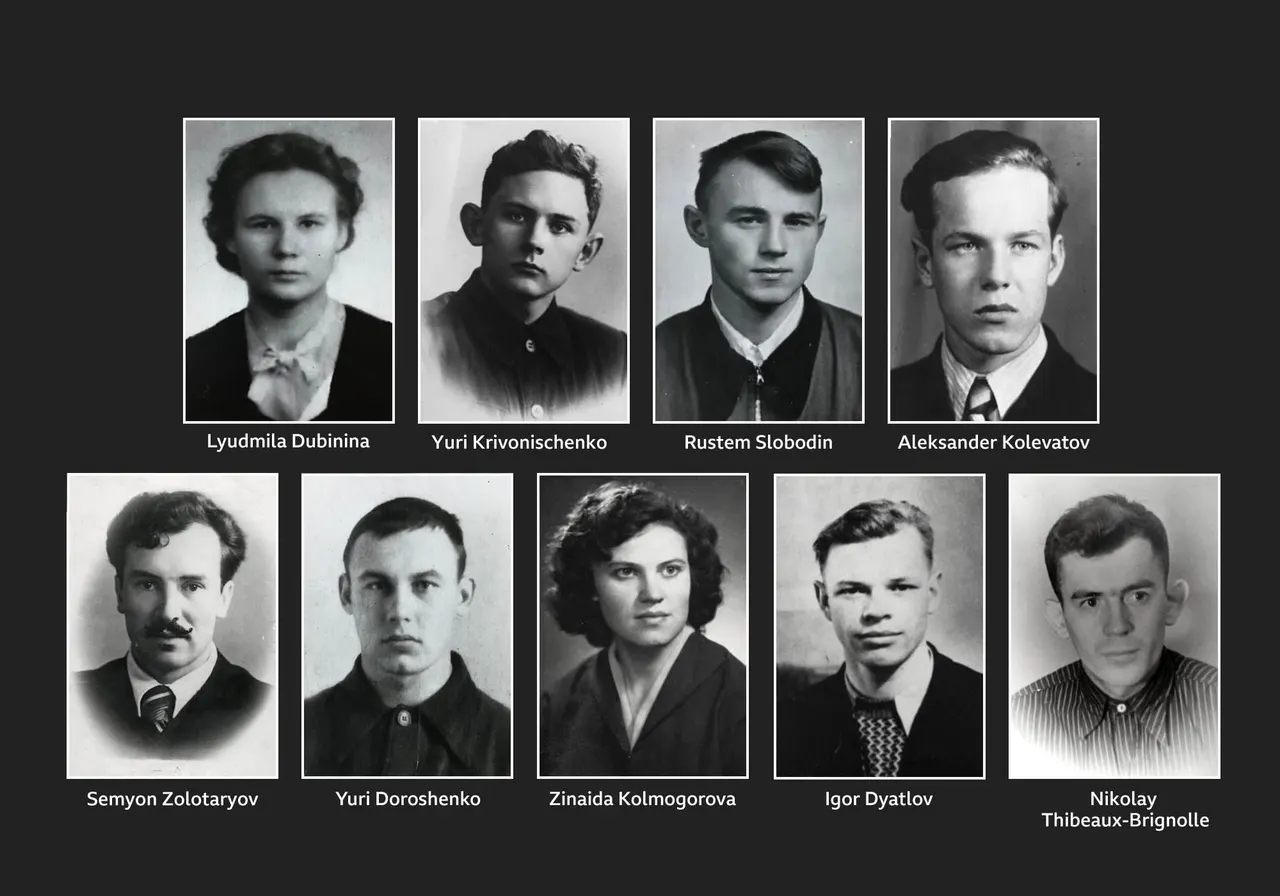
The incident took place in the winter of 1959 in the northern Ural Mountains, on the territory of present-day Russia. The expedition was led by Igor Dyatlov. He and his companions were young men experienced in mountain hiking. They planned to traverse a challenging winter route.
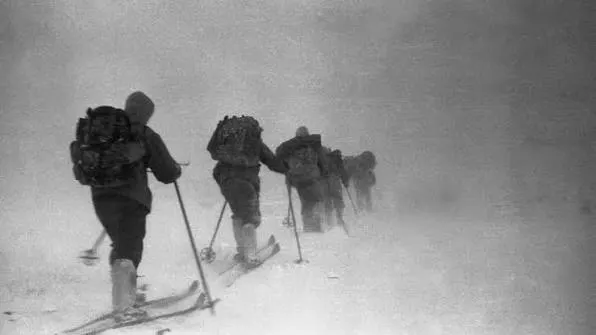
The group's goal was not to search for supernatural phenomena or enter a restricted military area, but rather to carry out a winter tourist expedition. The hikers moved on skis, carried heavy loads, and brought the necessary equipment with them. Throughout the journey, group members kept diaries and took photographs, which later played a crucial role in reconstructing the sequence of events.
However, the weather was deteriorating. The wind grew stronger, the temperature dropped, and visibility worsened. One of the group's final decisions was to pitch the tent on a mountain slope. According to scientific analysis, a section of the snowy slope was cut to set up the tent. This was a normal technical decision. But decades later, scientists showed that this very action might be key to understanding the mechanism of the potential tragedy.
On the night of February 1 to February 2, 1959, the fate of the group was sealed. Exactly what happened in those specific moments is not fully known. Therefore, we must separate the confirmed parts of the event from assumptions, because when mysterious events are discussed, people often fill in the gaps with their imagination. But imagination alone is not enough to reconstruct history; we need clear evidence.
04:00–08:00 THE SEARCH AND THE TERRIFYING DISCOVERY
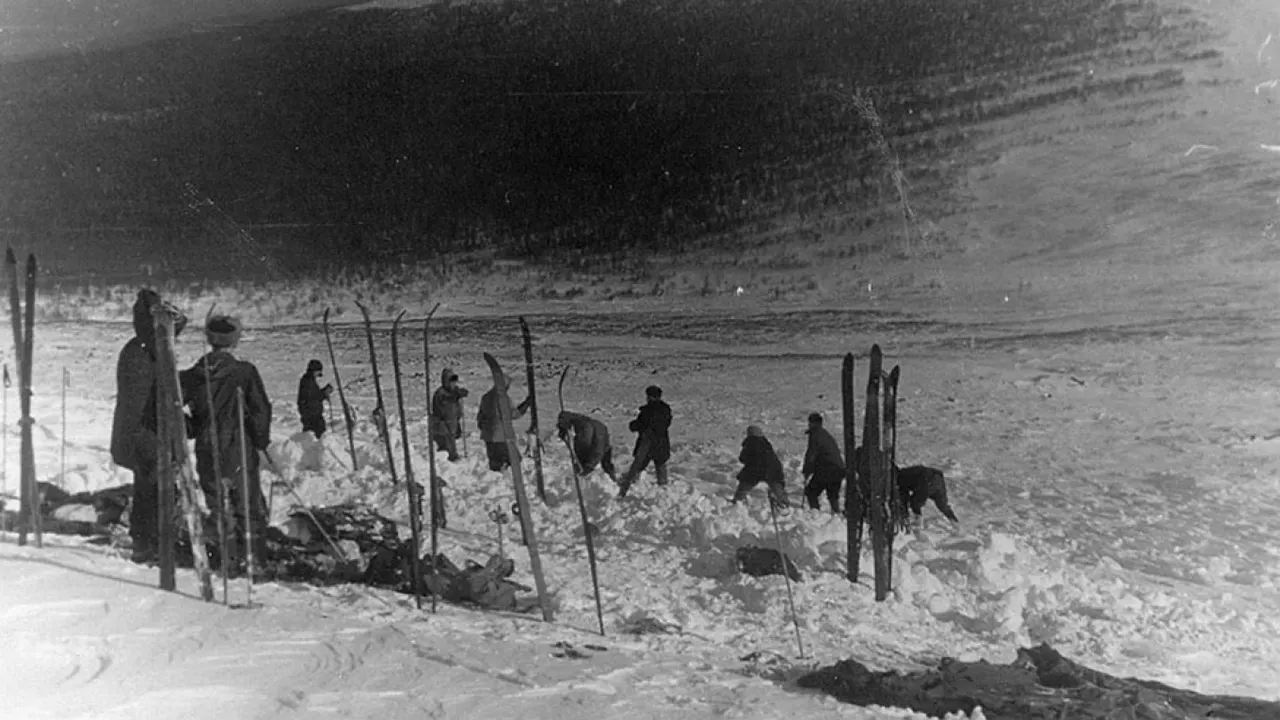
Concern grew after the group failed to return by the designated time. Search operations began. Rescuers eventually found the tent left behind on the mountain slope. It was covered with snow, containing clothing and travel items inside. One of the most important details was the record that the tent fabric had been cut from the inside.
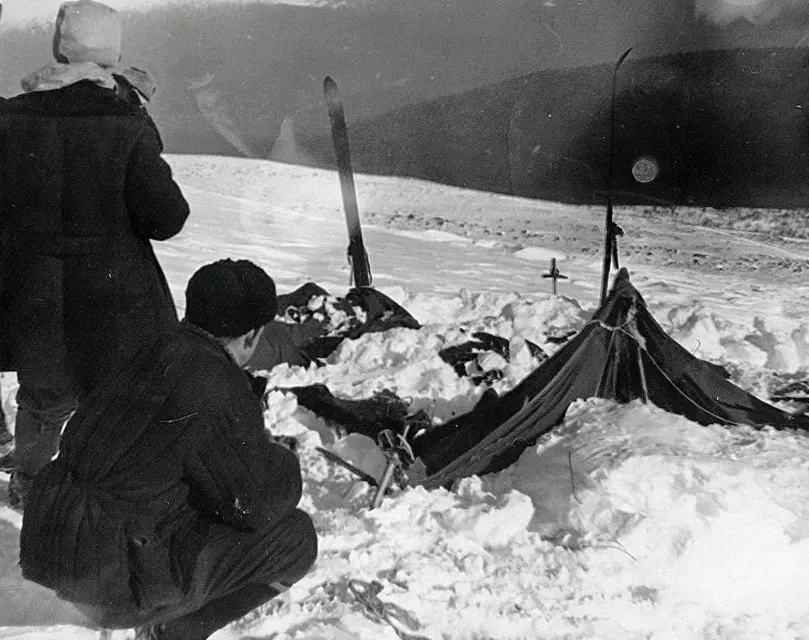
What does this mean? At the very least, it indicates that some members of the group did not leave the tent in the usual way. However, this fact alone does not prove why they left. Footprints leading from the tent toward the trees were identified. Rescuers managed to trace the movement of the group members toward the forest below. This raises another question: why did they move down the mountain after leaving the tent?
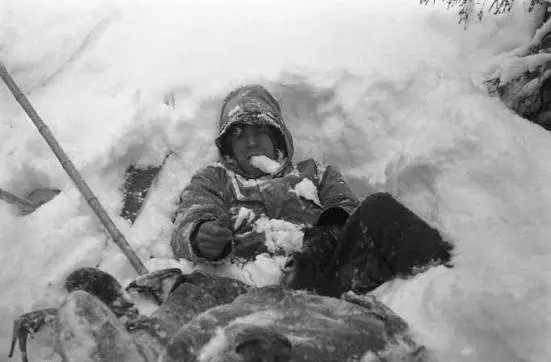
Perhaps they thought staying near the tent was dangerous. Maybe they wanted to find another shelter or wind protection among the trees. This is a logical explanation, but we do not know what each hiker was thinking. During the search, the bodies of the group members were found in various locations: some near the trees, others on the way back to the tent, or in a snow-covered ravine.
Some lacked adequate clothing. In the cold, human behavior, physical capacity, and decision-making abilities can change dramatically. Therefore, it is neither correct to explain this scene solely through fear nor to turn every action into a strange mystery. The important aspect is that rescuers did not directly observe all the stages of events between leaving the tent and death; they primarily drew conclusions based on the tracks and items found later.
Thus, we have evidence confirming parts of the event, but we lack a complete recorded description of the entire night. Understanding this difference is of vital importance in studying the mystery of the Dyatlov Pass.
08:00–12:00 STORIES OF INJURIES, EYES, AND TONGUES
At this point, a natural question arises: why did the Dyatlov Pass incident become so famous? One reason is that severe injuries were found on some of the group members. Medical records noted serious trauma to the chest and skull. The loss of soft tissue on some bodies also attracted public attention.
On the internet, these details are often told in an even more gruesome light. For instance, theories circulate such as "someone tortured and killed them," "they encountered a supernatural creature," or "they fell victim to a secret weapons test." However, severe injuries alone do not prove murder. Falling into a snow-filled ravine, hitting a hard surface, or the pressure of a massive snow mass can also cause severe injuries. Which mechanism operated in this particular event requires separate investigation.
The same rule applies to the famous stories about eyes and tongues. A long time passed before the bodies were found. They were exposed to snow, moisture, and the natural environment. In such conditions, the loss of soft tissue does not automatically imply human intervention. This explanation does not mean the exact cause of every single detail has been proven; it simply means one cannot conclude murder or a supernatural event based on a single sign.
Another popular topic is reports that traces of radioactivity were found on some items of clothing. This also sparked numerous theories. However, detecting traces of radioactivity is not the same as claiming the entire group fell victim to a secret nuclear test. To verify this, the level of radiation, where the sample was taken, the history of the clothing, and other evidence must be examined. There are also reports of strange glowing spheres seen in the sky that night. But these sightings alone do not prove what caused them to leave the tent.
We have reviewed several real yet incompletely explained details so far. Now we move on to the main question: what could have forced the group to leave the tent?
12:00–16:00 THE MOST POPULAR THEORIES
Various theories have been proposed regarding the Dyatlov Pass. Not all of them are equally credible. The first theory is that the people were attacked. Proponents of this idea point to the group fleeing without clothes and some of the injuries. However, reliable evidence showing an attack occurred is needed. Severe injuries or a cut tent alone are not sufficient for such a conclusion.
The second theory is secret military testing. The year 1959 was during the Soviet era. Therefore, some people have tried to link the incident to weapons testing and secret operations. However, the existence of secret military projects at some point does not mean every unexplained death on a specific mountain is connected to them. To confirm this theory, documentary evidence directly tied to the scene, time, and group is required.
The third theory is that strange atmospheric phenomena or infrasound caused panic among the people. Conditions capable of affecting human emotion and behavior can exist in nature. Yet, there is no reliable proof that a specific physical phenomenon occurred on that exact night and drove the group out of the tent. The fourth theory is a conflict among the group members. Human disputes are possible in any expedition, but possibility is not proof. A solid basis is required to explain all actions in this event through a personal quarrel.
Finally, the theory that has gained the most scientific attention is an avalanche. This theory does not automatically answer all initial questions. For example, details such as why some tried to return to the tent and why group members were found in different locations each require a separate explanation. Therefore, the most correct approach is not to believe a story simply because we like it, but to compare each theory with existing evidence. Now let us see what scientific research has shown.
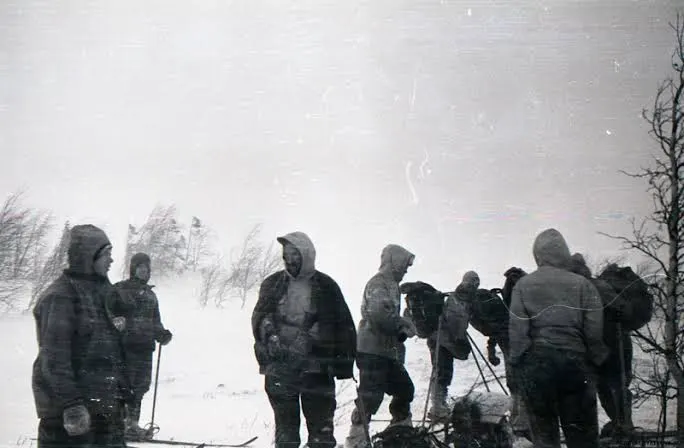
16:00–21:00 HOW COULD AN AVALANCHE OCCUR?
In 2021, a study by Johan Gaume and Alexander Puzrin was published in the scientific journal *Communications Earth & Environment*. They used mathematical models to test whether a delayed snow slab slide could explain the Dyatlov Pass incident. There is a simple yet important distinction here. People often imagine an avalanche solely as a giant wall of snow hurtling down a mountain. However, a smaller, compact layer of snow can also slide under certain conditions.
According to the researchers, the group cut a portion of the snow on the slope to set up the tent. A weaker layer likely existed beneath the snowpack. Strong winds then blew snow from the slope and deposited it in the area above the tent. Over time, the weight of the snow increased. Eventually, the weak layer may have lost its balance, causing a block of snow to slide downward. The authors showed in their model that such a delay could occur within approximately 7.5 to 13.5 hours. This is a model calculation, not a directly measured value of the event's timing.
Why is this theory important? Because it offers an answer to one of the previous objections: if the tent was on a mountain slope, why didn't the snow slide immediately instead of hours later? According to the study, the gradual accumulation of snow via wind can explain a delayed slide. The second question is why rescuers did not find clear traces of a large avalanche?
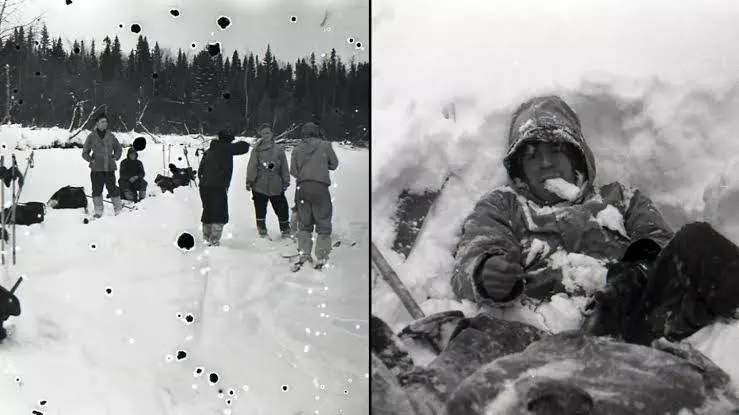
In the scenario proposed by the authors, the snow layer could have been relatively small, and subsequent winds could have altered its traces. Additional studies in 2022 also showed that small avalanches could occur in the area. The third question is why the injuries were severe. Through modeling, scientists demonstrated that a dense snow layer could press down on the people inside the tent, crushing them against the hardened snow and skis at the bottom of the tent. This might help explain some of the chest injuries.
However, the authors of the study do not claim that all controversial details have been resolved. For instance, issues such as radioactive traces, the actions of certain individuals, and the positions of the bodies are not fully solved by this model. Thus, the result of the scientific research does not mean the "mystery is completely solved." It shows that the avalanche mechanism is more plausible than previously thought. This is a crucial distinction for a historical detective: showing a theory is scientifically possible is certainly not the same as proving its every detail.
21:00–24:00 UNANSWERED QUESTIONS
So, if the avalanche theory can explain a lot, why is the Dyatlov Pass still considered a mystery? First, there were no direct witnesses to the group members' actions at the time of the incident. We rely primarily on traces, diaries, photographs, and medical records found later.
Second, natural disasters do not allow for the precise reconstruction of every single detail. Snow, wind, and time can alter evidence. Third, while several theories answer some questions, they leave others open. For example, debates continue regarding the group's exact decisions when leaving the tent, the movement path of each participant, and the direct mechanism of certain injuries.
Fourth, popular stories about mysterious events often mix verified evidence with unconfirmed assumptions. Therefore, this event must be viewed with a balanced perspective. On one hand, a tragedy occurred in the mountains that claimed the lives of nine people. This alone deserves serious study. On the other hand, we do not need to explain everything through supernatural forces. Sometimes nature itself, harsh conditions, and human limitations can lead to tragedy.
24:00–26:00 FINAL CONCLUSION
More than 60 years have passed since the Dyatlov Pass incident. Nine people went on a mountain trip and did not return. Rescuers encountered one of the most discussed winter expedition tragedies in history. What caused their death? Available evidence and subsequent scientific research indicate that a combination of a sliding snow layer, severe weather, and freezing conditions likely led to the fatal outcome.
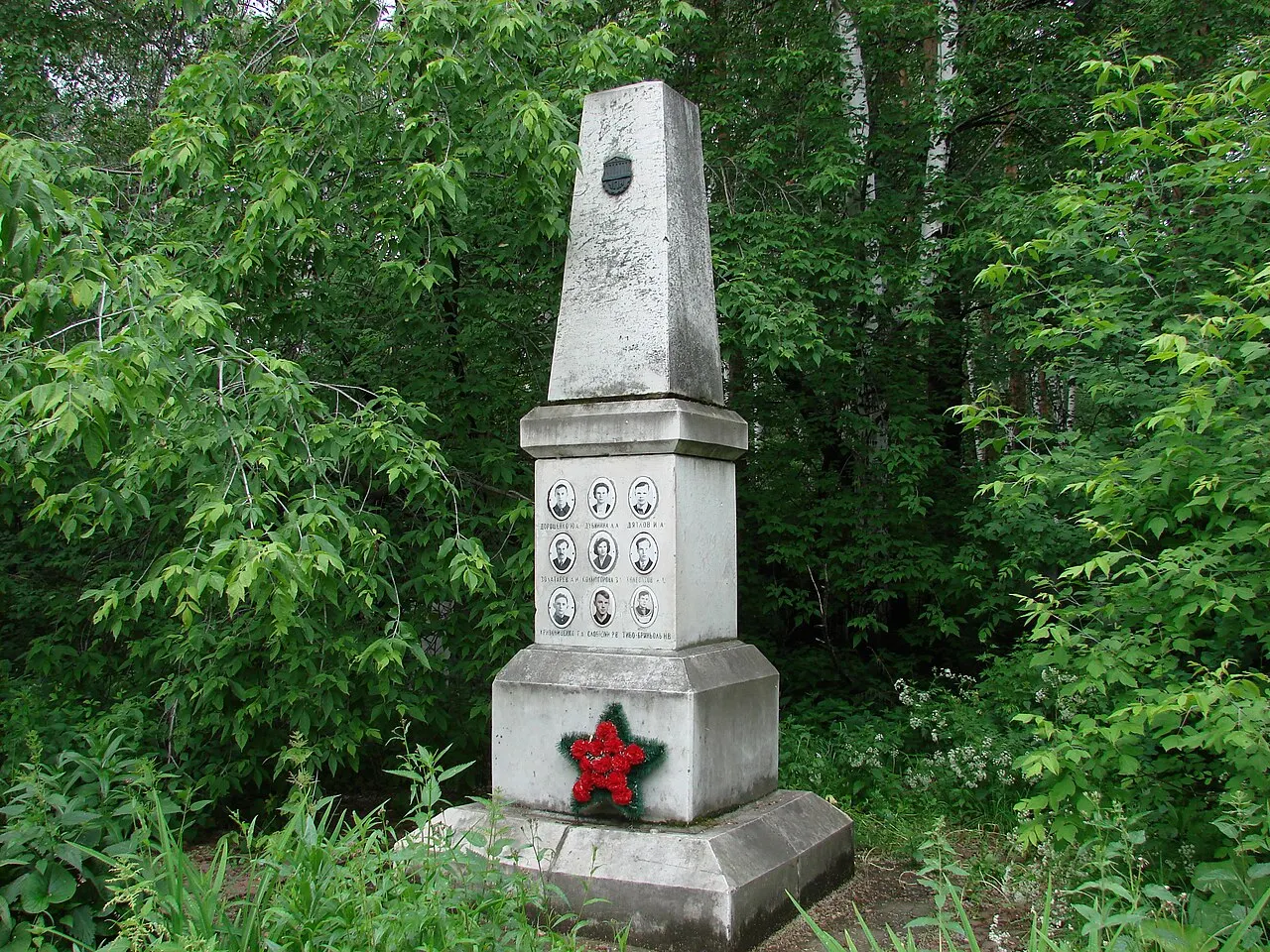
However, some details remain fully unclarified. For this reason, it is wrong to say either that "everything has been conclusively proven" or to conclude that "this was definitely a supernatural event." Perhaps this is the most important lesson of the Dyatlov Pass. We are sometimes quick to fill unanswered questions with mysterious forces. But the task of real research is not to make the story scarier, but to seek the explanation that best fits the available evidence. What do you think? What is the most plausible explanation for the Dyatlov group's tragedy: an avalanche, harsh weather, or some other unresolved factor?
Author: Habib Juraboev